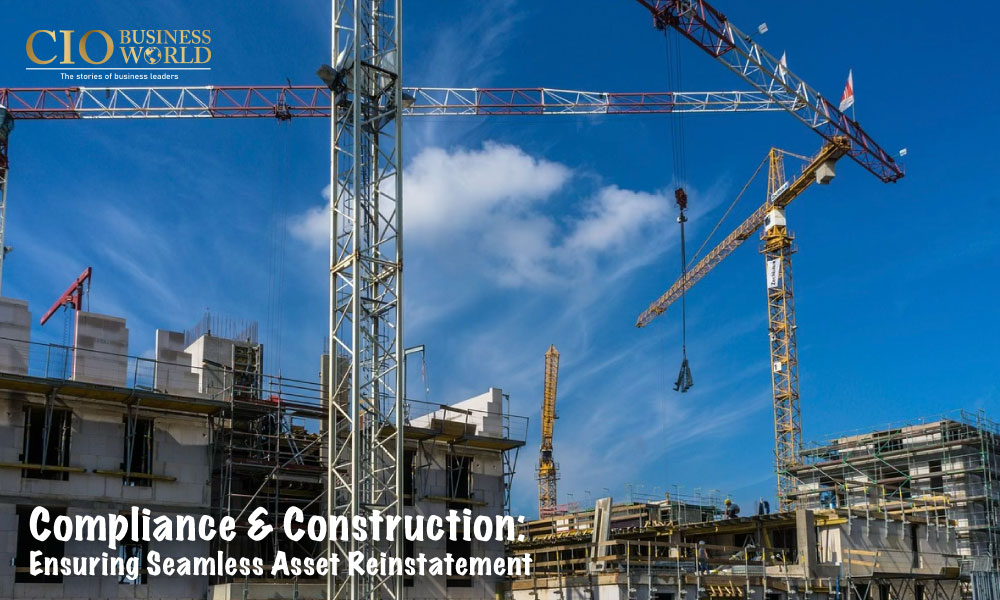
Moving a business to a new location is a major task for any owner. You have to manage many moving parts and keep your team focused at the same time. Returning the site to its original condition is a legal requirement in most commercial leases.
Meeting these construction standards keeps your security deposit safe from the landlord. It helps you avoid extra fees and legal disputes during the handover. You should plan these steps early, so the move goes as planned.
Legal Compliance Standards
Commercial lease rules are often quite strict about property condition. You must follow the contract to avoid paying for expensive repairs at the end of your stay. These laws keep the city organized and make sure buildings stay in good shape for new users.
A recent government report for 2025 suggested setting up a building asset renewal framework for critical sites. This strategy helps managers track what needs fixing long before a lease ends. It provides a clear path for keeping a property up to date with modern safety rules.
Following a clear plan makes the handover much easier for the tenant. It keeps everyone happy and follows the local construction law. You can focus on your new office space while the old one is returned to its base state.
Handling Office Reinstatement Work
Most commercial spaces have custom walls and unique floor layouts. You must plan for their removal before you move your team to a new site. This work often involves demolition and basic repairs to the ceiling and floors.
Before any physical work begins, it is important to create a detailed reinstatement plan that outlines every required change. Carrying out office reinstatement work requires a professional crew to handle the heavy lifting. This process returns the property to the state required by your lease agreement. It makes the space look brand new for the next person who rents the unit.
You should look at the original building plans to see what stays and what goes. This keeps you in good standing with the property manager. It also helps you avoid removing things that the landlord wants to keep in place.
Estimating Asset Fair Value
Estimating the cost of building work is a complex task for any manager. You need to look at the current market to get the right price for labor and materials. Prices can change fast – so getting a fresh quote is always a smart move.
Financial papers from 2026 stated that finding market prices for similar assets requires careful study. Experts look at comparable properties to figure out what equipment and materials are worth right now. This research makes sure the estimates are fair for both the tenant and the landlord.
Knowing these costs early keeps your project budget on track. You can avoid overpaying for simple repairs or basic painting jobs. It helps you save money that you can use to grow your business in the new location.
Fixing Configuration Vulnerabilities
Modern buildings have complex wiring and safety systems that must be protected. You cannot change the wiring or smoke detectors without a clear permit. These systems must stay safe during the construction phase of your move.
A government report recommended that agencies fix configuration and patch issues within set timeframes. This policy helps keep the building infrastructure secure while the crew does their work. It stops technical errors from causing problems for other tenants in the building.
Following these guidelines keeps the site safe for every worker on the team. It prevents power failures that could slow down your move or damage your tools. Secure systems mean a faster path to finishing the project on time.
Key Steps For Site Preparation
Preparation is a critical part of the demolition phase of any move. You need a clear strategy to handle the waste and the old materials. Starting with a clean slate makes the rest of the job go much faster.
- Clear the floors of all loose debris and dust.
- Remove all custom signage from the walls and doors.
- Strip the carpet if it was not part of the original room.
- Patch any holes left from hanging art or heavy shelves.
Having a set list keeps the workers on the right path every day. It prevents mistakes that might cost you money or cause delays. You should check the progress often to see if the team is following the plan.
Clear communication with your crew is the best way to get things done. It helps you track the work and solve problems before they get too big. This keeps the project moving toward the final walk-through with the manager.
Managing Project Timelines
Timing is very tight when you move between two office spaces. You cannot afford to lose even one day of work during the transition. A delay in the cleanup can cost you extra rent at the old location.
Most professional crews finish the main work in about 2 weeks. This gives you enough time to do a final check with the building owner. You can fix minor issues before the official inspection takes place.
Meeting with your project lead often keeps things moving toward the goal. It lets you fix small mistakes before they become expensive problems. A fast project saves you time and keeps your business running without a break.
Essential Services And Inspections
Final checks are a critical part of the job for any tenant. You want to be sure everything works perfectly before you hand over the keys. These tests show the landlord that you have followed every rule in the contract.
- Test every light switch and power outlet in the room.
- Make sure the fire alarms are active and working.
- Look for cracks in the windows or the glass doors.
- Verify the plumbing is clear and the water flows well.
A professional crew knows how to pass these tests on the first try. They fix issues before the building manager even walks through the door. This shows that you are a responsible tenant who takes care of the property.
Getting a sign-off from the inspector is the final hurdle to overcome. It clears your name and lets you get your security deposit back in full. You can then close the chapter on the old space with a win.
Long-Term Asset Protection
Keeping a space clean during your lease saves you a lot of money later. It stops minor damage from getting worse over the years. You should treat the office like it is your own property.
Small repairs every few months keep the site in good shape for the long haul. You won’t have to pay for massive fixes at the end of your stay. This saves your company money and reduces the stress of moving out.
This careful approach shows the landlord that you care about their building. It builds a good relationship that can help you if you ever need a reference later. Taking care of your assets is just good business sense for everyone.
Leaving a property is about more than just moving boxes and desks. It requires a commitment to construction standards and the rules of your lease. Handling the old space correctly is the final step in a successful move.
When you prioritize these tasks, the transition becomes simple and fast. You can focus on your new location and your team while the old site is left in perfect shape. A clean exit is the best way to start a new chapter for your company.