Workplace Equipment Accidents Create Business Risk
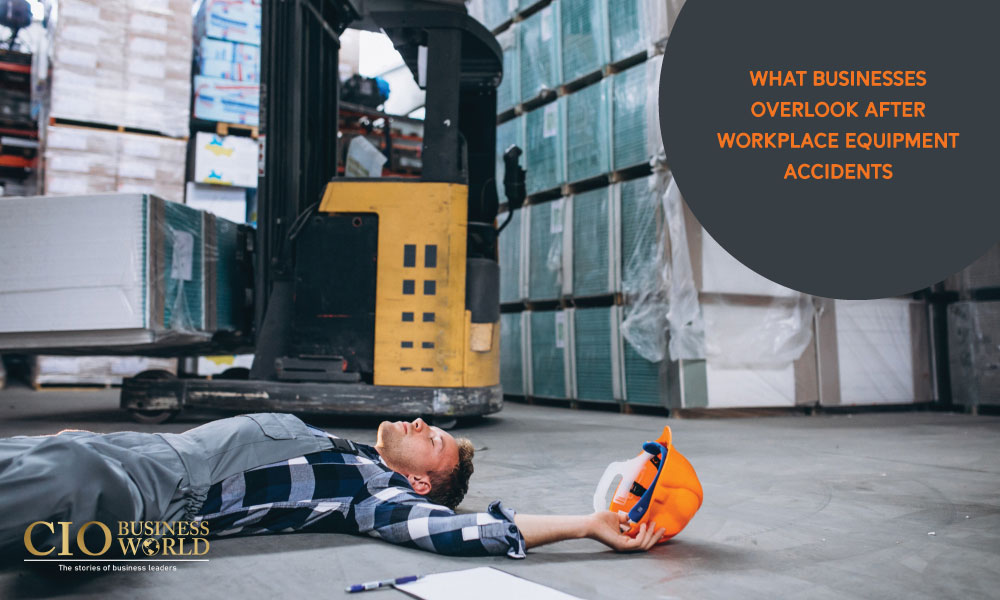
A workplace equipment accident can disrupt far more than the area where it happens. Production slows. Teams lose confidence. Managers begin searching for records, while leaders must answer difficult questions about training, maintenance, supervision, and response protocols.
For companies that rely on forklifts, machinery, loading docks, power tools, construction equipment, or industrial vehicles, the real risk often begins before the accident itself. A skipped inspection, a vague process, a rushed shift handoff, or an undocumented repair can turn a preventable hazard into an expensive operational failure. The organizations that respond well are usually those that already know their weak spots.
Treating the Incident as Isolated
One common mistake after an equipment accident is treating it as a one-time failure. A worker was standing in the wrong place. A machine malfunctioned. A pallet shifted. A driver misjudged a turn. Those details matter, but they rarely explain the full picture.
Serious incidents often reveal a chain of smaller problems. An inspection may have been rushed. A loading area may have had poor visibility. Workers may have reported a near miss that never received a proper review. Supervisors may have relied on habits instead of written procedures. When leaders focus only on the final moment, they miss the conditions that allowed the event to happen.
A better response starts with sharper questions. Was the equipment maintained on schedule? Were employees trained for the actual risks of the site? Did managers have a clear process for reporting hazards? Were contractors, drivers, and staff following the same safety expectations?
The goal is not to assign blame as quickly as possible. It is to understand the system behind the failure so the same risk does not appear again in another shift, department, or location.
Why Location Changes the Risk Picture
Where an accident happens can shape how a company reviews what went wrong. In Indiana, the focus may fall on warehouse flow, freight movement, and loading patterns. In Wisconsin, outdoor yards, storage conditions, and seasonal hazards may add pressure. Texas worksites may involve larger industrial spaces with more contractors, vehicles, and moving parts. California companies may deal with added complexity around ports, delivery routes, and dense urban job sites.
Illinois often brings several of these pressures together, especially in places where construction, manufacturing, warehousing, and transportation overlap. When forklifts, machinery, loading zones, falling materials, or work vehicles are involved, the details behind severe crush accident claims in Chicago can depend on records businesses should already be tracking, including maintenance logs, training files, inspection reports, and witness accounts.
Location matters because the same type of accident can raise different practical questions. Leaders need to understand the worksite, the equipment in use, the people involved, and the conditions that shaped the risk.
Maintenance Gaps That Create Bigger Problems Later
Equipment problems rarely appear without warning. Loose guards, worn tires, delayed repairs, leaking hydraulics, blocked sensors, and recurring alerts can all point to a maintenance process that needs closer attention.
The pressure to keep work moving can make small issues easy to dismiss. A forklift may stay in service because the shift is busy. A loading dock problem may get a temporary fix. A machine may continue running because downtime feels expensive. Those decisions can create larger problems when equipment fails during active work.
Maintenance records should show more than completed repairs. They should help managers understand when a problem was first reported, how often it returned, who approved continued use, and whether workers had a clear way to flag unsafe conditions. NIOSH guidance on workers who operate or work near forklifts reinforces the importance of equipment condition, operator awareness, and safe movement around loading docks and shared spaces.
A strong maintenance process gives leaders a clearer view of risk before an accident happens. When inspection schedules, repair histories, and recurring concerns are easy to review, companies can address patterns before they turn into serious failures.
Training Should Reflect Real Workplace Conditions
Generic safety training can miss the risks workers face during a normal shift. A policy may explain how equipment should be used, but the real test happens in crowded aisles, tight loading areas, noisy production floors, and fast-moving job sites.
Training should match the workplace layout, pace, pressure, and equipment. Forklift operators need to understand traffic flow, turning limits, load stability, blind spots, and pedestrian zones. Workers on foot need clear expectations for where to stand, how to communicate with operators, and what to do when a route or task changes.
Supervisors should also review whether the training still fits the job. A team trained six months ago may now be working with new machinery, a different floor plan, temporary staff, or higher daily volume. Those changes can make old instructions less useful than they appear on paper.
The strongest training programs stay close to the work itself. They use real examples, repeat key procedures, and give employees a clear way to speak up when equipment, space, or workflow creates avoidable risk.
Managers Should Look Beyond the Accident Report
An accident report is necessary, but it rarely tells the whole business story. It may show when the event happened, who was involved, and what equipment was in use. It may not show whether the area had been crowded for weeks, whether employees had already raised concerns, or whether supervisors had grown used to a risky process.
Managers should review the environment around the report. That includes lighting, floor markings, access points, traffic flow, storage practices, shift timing, staffing levels, and communication between teams. A workplace equipment accident can expose problems that were visible long before the event, even if no one treated them as urgent.
A stronger review connects the accident to the larger work environment. When managers understand the space, the workflow, and the decisions that led to the task, they are better prepared to fix the conditions that allowed the problem to occur.
Technology Can Help, But Leaders Still Need to Act
Digital tools can make workplace risks easier to see. Sensors, cameras, telematics, digital checklists, and maintenance software can flag overdue repairs, repeated alerts, unsafe traffic patterns, or recurring hazards in the same area of a facility.
The value depends on follow-through. A dashboard does not make a workplace safer on its own. Someone has to review the warning signs, assign responsibility, document the response, and confirm the issue was fixed. The same discipline applies to near-miss reports, inspection notes, and maintenance requests.
The same thinking behind using predictive controls to reduce industrial downtime can help companies identify equipment problems before they become larger safety, productivity, or repair issues.
Technology gives managers better visibility, but leadership turns that visibility into action. Strong companies use data to ask better questions, identify weak processes, and ensure safety concerns do not disappear in routine reports.
Prevention Protects People and Operations
Workplace equipment accidents often reveal how well a company understands its own operations. The warning signs are usually there somewhere, in maintenance records, training gaps, crowded layouts, repeated near misses, or slow responses to equipment concerns.
Companies that take those signals seriously are better prepared when something goes wrong. They can review facts more quickly, protect their teams, reduce disruption, and make better decisions under pressure.
A safer workplace does not come from a single policy or inspection. It comes from the daily discipline of keeping equipment reliable, training people for real conditions, and treating every incident as a chance to fix risks that should not follow the company into the next shift.