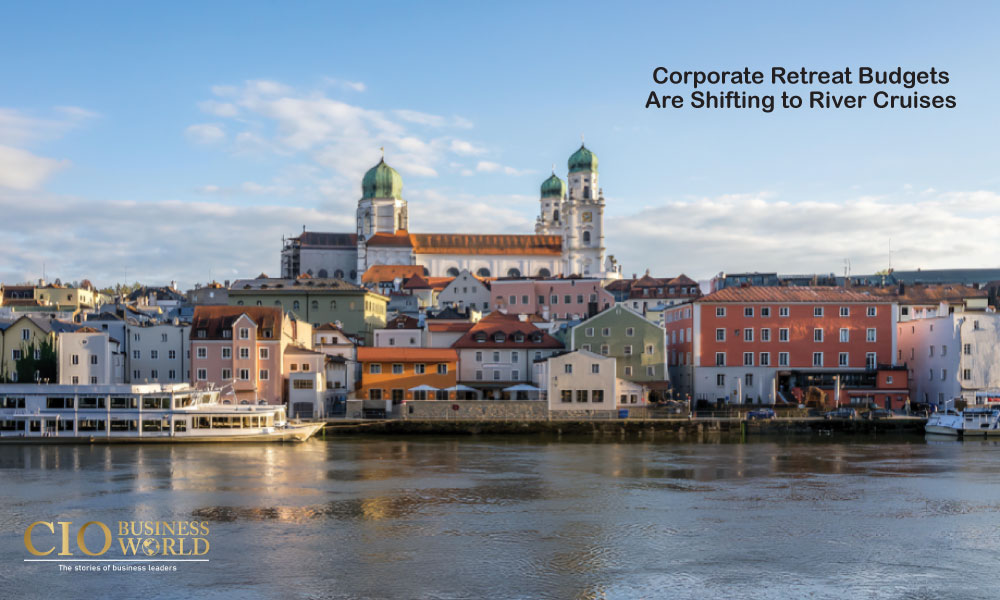
Corporate event planners are steering budgets away from traditional conference centers and looking to the waterways.
River cruises have emerged as a compelling alternative for executive retreats, team-building events, and corporate incentive programs as companies seek to maximize the value of every event dollar while creating experiences that actually resonate with employees.
The numbers tell the story.
Corporate event spending is expected to rise in 2026, with costs reaching $169 per attendee per day, pushing planners to seek venues that bundle accommodation, dining, transportation, and meeting space into a single package. River cruises deliver precisely that combination.
The Business Case Behind the Shift
River cruising is outpacing the cruise market as a whole with bookings tracking 36% above expectations, and a significant portion of that growth stems from corporate clients. Traditional hotels and resort venues require companies to coordinate multiple vendors, manage separate contracts for food and beverage, arrange ground transportation, and hope all the pieces align. River cruises eliminate that complexity.
The floating venue model offers something conference centers cannot: a constantly changing backdrop that keeps attendees engaged while maintaining the intimacy necessary for productive work sessions.
Most river ships carry roughly 100 to 200 guests, making them ideal for corporate groups that need private space without the distraction of thousands of other passengers.
Following the Dollars
The corporate travel sector recovered robustly following pandemic disruptions.
Global business tourism spending was estimated to reach approximately 1.5 trillion U.S. dollars in 2024, which represents a full recovery from the COVID-19 pandemic. Companies are spending again, but they are spending strategically.
European destinations have long dominated the river cruise market, but corporate planners increasingly view these itineraries as dual-purpose investments. Teams can conduct strategic planning sessions during morning cruising hours, then step directly into culturally rich cities for afternoon team-building experiences without the logistical burden of buses, transfers, or navigation.
The productivity advantage matters. Workplace productivity experts at the U.S. Bureau of Labor Statistics have documented how changes in work environment affect output, and the confined yet comfortable setting of a river ship creates natural opportunities for focused collaboration. Meeting rooms sit steps away from dining areas and guest accommodations, reducing transition time and keeping teams concentrated on objectives.
Market Momentum Accelerating
Industry data confirms the corporate appetite for river cruises continues to build.
Viking, the river cruise market leader, reported 2026 sales pacing double digits ahead of 2025, with 10 new ships being added to its fleet by 2027. That expansion responds directly to corporate demand alongside traditional leisure travelers.
Tauck reported 2026 bookings pacing nearly 30% ahead of 2025 bookings, while Riviera Travel said 2026 river cruise bookings are 42% higher than 2025 bookings were at this time last year. The corporate segment drives much of that surge, particularly for shoulder-season departures when pricing becomes more favorable for budget-conscious planners.
One significant factor fueling the shift involves cost transparency. River cruise pricing typically bundles accommodation, meals, excursions, and onboard amenities into a single per-person rate. Finance teams appreciate the simplified budgeting model compared to traditional venues where costs stack incrementally and unpredictably.
The Operational Simplicity Factor
Corporate event success depends on execution, and river cruises streamline the operational burden considerably.
The format allows planners to schedule short business sessions in the morning, then free the afternoon for experiences ashore, with work getting done in a setting that feels very different from an office.
This structure addresses a persistent challenge in corporate event planning: balancing professional objectives with the employee experience expectations that drive engagement and retention. Corporate event trends reflect growing pressure on executives to demonstrate measurable return on investment from retreat spending, not just in immediate business outcomes but in long-term talent retention.
The hospitality infrastructure aboard river vessels aligns naturally with corporate needs. Ships feature flexible meeting spaces, audio-visual equipment, reliable Wi-Fi connectivity, and dedicated event staff accustomed to managing business groups. The all-inclusive model means fewer surprise expenses bleeding into budgets mid-event.
Data-Driven Decision Making
Business travel statistics paint a clear picture of corporate spending patterns, and river cruises fit squarely within the premium tier that companies reserve for high-value events. The format works particularly well for executive leadership retreats, board meetings, top-performer reward programs, and strategic planning sessions where privacy and focus matter.
New entrants like Transcend Cruises, founded in 2022, are launching luxury river cruise vessels exclusively for corporate groups, with the first ship hitting the water in April 2026. This specialized approach signals industry recognition that corporate clients represent a distinct segment with specific requirements.
The scheduling flexibility river cruises offer creates additional appeal. Unlike destination resorts that require year-ahead bookings for peak dates, river cruise operators can often accommodate corporate groups with shorter lead times, particularly for European itineraries during spring and fall shoulder seasons when rates drop but weather remains favorable.
Looking Forward
The confluence of rising corporate event costs, demand for simplified logistics, and the proven appeal of experiential rewards positions river cruises for continued growth in the corporate market. Companies need venues that justify the investment, engage participants meaningfully, and deliver outcomes that extend beyond the event itself.
River cruises check those boxes while solving practical problems that plague traditional corporate retreats. The format eliminates decision fatigue about where to eat, how to get between venues, and which activities to schedule. Everything happens within a compact, controlled environment that keeps teams focused without feeling constrained.
As corporate travel budgets stabilize and companies refine their approach to in-person gatherings, river cruises offer a value proposition that resonates: premium experiences wrapped in operational simplicity, delivered at competitive per-person costs when properly compared to full-service resort alternatives.
The waterways are becoming boardrooms, and the current is flowing decisively in that direction.