Sustainable growth is an objective for most businesses, although increasing income is a common focus, success over a long period is dependent on how a company handles its resources. Businesses that only focus on increasing sales without monitoring costs are likely to experience problems with cash availability, lower profits and inefficient operations. Sustainable growth is possible when a balanced method is used to support expansion and maintain financial stability.
Managing expenses is a necessary part of this balance – This process involves the monitoring and evaluation of business spending to ensure that resources are used in a productive manner. When costs are handled correctly, organizations are able to distribute funds for strategic purposes, increase profits and build a base for future development. The link between expense management and sustainable growth is visible in most areas of business performance.
Financial Stability
Effective expense management is a way for businesses to remain stable – ensuring that spending does not exceed available resources. Companies that track their costs are more likely to avoid spending too much and lower the possibility of financial stress – this creates a secure environment where leaders are able to make choices without the presence of frequent concerns regarding cash shortages.
Financial stability is also a source of flexibility during times of economic change. Market conditions are often unpredictable and affect customer needs, supply chains and the costs of operation. Organizations with consistent expense management habits are usually prepared to handle these situations because they have clear information about their financial status and are able to change their spending as required.
Improved Profitability
An increase in income is not a guarantee of profit – A company is able to produce high sales but still have financial difficulties if costs are not regulated. Managing expenses is helpful for identifying areas where costs are reducible without causing negative effects on productivity or customer satisfaction.
Higher profits provide chances for reinvestment – Businesses are able to use extra resources for new technology, staff training, marketing or expansion. By controlling expenses, organizations ensure that a larger portion of their income is used for long term value rather than being spent on avoidable items.
Improved Resource Distribution
A primary benefit of expense management is the improved distribution of resources. Businesses have a limited amount of money, which makes it necessary to spend on activities that help reach strategic goals. Tracking expenses allows managers to see where money is spent and if those costs are producing useful results.
When resources are distributed effectively, organizations are able to invest in areas that lead to growth – these areas include technology updates, product creation, finding new customers or hiring more staff. Better distribution ensures that money is used for projects that have the highest potential to help the business succeed over time.
Support for Strategic Planning
Growth that lasts is dependent on precise planning – Expense management provides data that helps organizations make realistic budgets and set growth targets that are possible to reach. Without accurate information about costs, leaders are likely to make choices based on guesses instead of facts.
Detailed records of expenses also make future predictions more accurate. By studying spending habits over time, companies are able to expect future costs and prepare for them – this allows organizations to plan for expansion while remaining disciplined with money, which reduces the chance of sudden financial problems.
Increased Operational Efficiency
Managing expenses often shows inefficiencies that are otherwise difficult to see. Businesses frequently find duplicate services, subscriptions that are not used or old processes when they look at spending in detail. Solving these problems is a way to improve how the business operates.
Higher efficiency supports growth – allowing organizations to do more with the resources they already have. Instead of spending more money to expand, businesses are able to be more productive through better use of resources – this method helps keep profits stable while supporting development goals.
Business Resilience
Resilience is necessary for sustainable growth – Businesses must be able to change when market conditions move while staying stable. Expense management software this – ensuring that money is available when it is needed and that spending matches business priorities.
Organizations that manage their costs are often ready for economic downturns or competition. Instead of reacting to problems after they start, the businesses are able to change their strategies early and continue working toward their goals.
Better Decision Making
Making good choices is dependent on having financial information that is accurate and current. Expense management gives leaders an understanding of spending trends and financial priorities – this information is useful for executives to evaluate opportunities and risks.
For instance, when a leader considers a new project, they are able to check if the organization has enough money to support it. Choices that are based on complete expense data are often more effective because they show the true financial state of the company.
Technology & Visibility
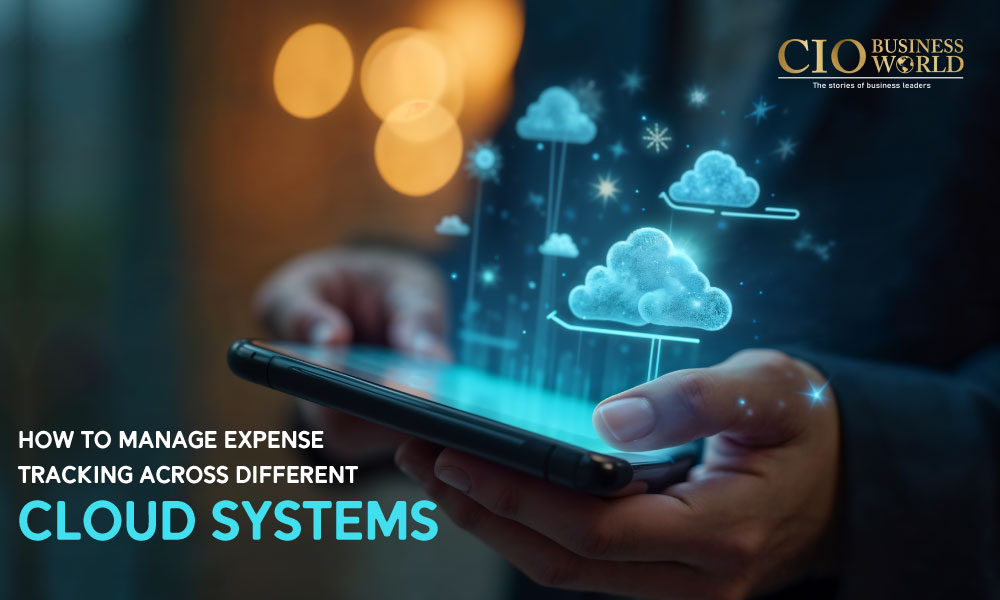
Modern technology has changed how businesses handle their costs. Digital tools make it easier to record transactions and monitor spending as it happens. Clear information allows organizations to find issues quickly and act before they become large financial problems.
Many companies use software to make reporting easier and improve oversight – these systems are able to lower the amount of administrative work while providing insights into spending. Businesses have more control over their money and are able to support growth with more accuracy.
Risk Management
Managing expenses helps lower risk – keeping financial controls strong. A lack of oversight regarding spending is a potential cause of fraud, errors in budgeting and disruptions in cash flow – these risks are able to stop growth and create financial pressure.
By using consistent management habits, businesses increase accountability. Clear processes for approval and regular reviews help to lower financial risks. Organizations that manage risks well are in a better position to seek long term opportunities.
Conclusion
The link between expense management and sustainable growth is significant. Managing costs effectively increases stability, profit and efficiency – these benefits are the foundation for growth that is maintained over many years. Businesses that value expense management are prepared to use resources wisely and adapt to new conditions. While making money is important, growth is also dependent on how a company directs its spending. By making expense management a part of business strategy, organizations are able to achieve success and reach their goals.