
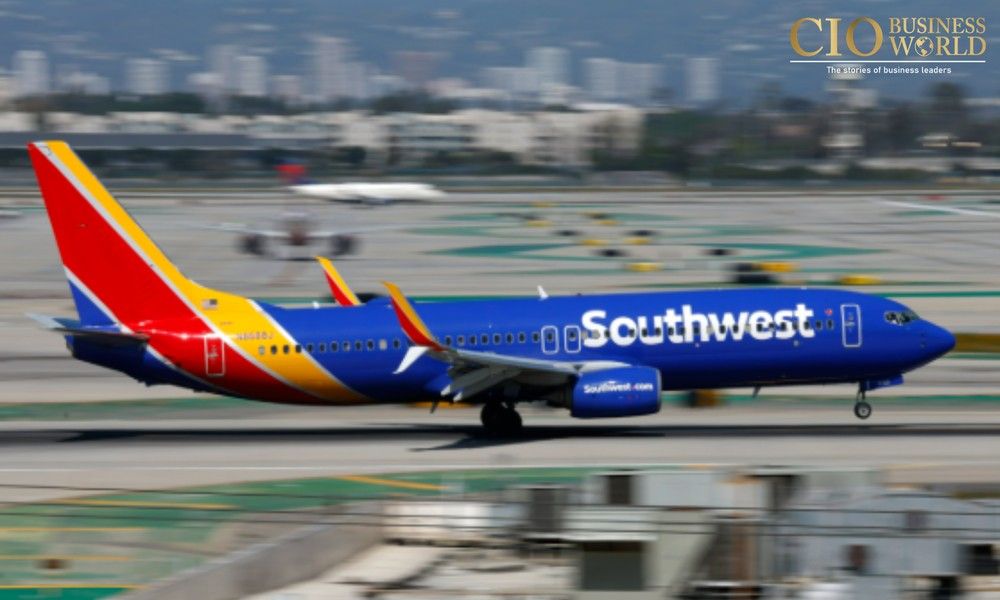
Southwest Airlines has completed a historic fuel transportation project by shipping 12.6 million gallons of jet fuel from Texas to Los Angeles using a barge that traveled through the Panama Canal. The move marks the first time the airline has transported fuel by sea, highlighting its efforts to protect operations from fuel shortages and rising costs on the U.S. West Coast.
The shipment reflects Southwest’s proactive strategy to ensure a stable fuel supply for one of its busiest operating regions. By moving fuel from Texas, where supplies remain more accessible, to Los Angeles, the airline aims to reduce the impact of supply disruptions and maintain reliable flight schedules.
Why Southwest Chose to Ship Fuel by Sea
Jet fuel prices on the West Coast have remained higher than in many other parts of the United States due to tighter refinery capacity and regional supply challenges. These conditions have created additional pressure on airlines that depend on a consistent fuel supply to operate thousands of flights every week.
To address these concerns, Southwest transported fuel by barge through the Panama Canal, a route that allows large volumes of fuel to move safely from the Gulf Coast to California. The shipment demonstrates how airlines are exploring alternative logistics solutions to manage operational risks while maintaining service reliability.
12.6 Million Gallons Delivered to Los Angeles
The shipment consisted of approximately 12.6 million gallons of jet fuel, making it one of the airline’s most significant fuel logistics projects. Instead of relying solely on traditional fuel suppliers in California, Southwest diversified its supply chain by sourcing fuel from Texas.
This approach provides additional flexibility and helps reduce dependence on regional fuel markets that can experience sudden shortages or price spikes. The move also gives Southwest greater control over fuel planning during periods of market uncertainty.
Fuel Supply Challenges Continue Across the West Coast
California’s aviation fuel market has faced several challenges in recent years, including refinery maintenance, reduced production capacity, and increasing demand during busy travel seasons. These factors have contributed to tighter fuel availability and higher operating costs for airlines.
Fuel remains one of the largest expenses for any airline. Even small increases in fuel prices can significantly affect operating costs, making supply stability a key priority for carriers.
By securing fuel from another region, Southwest is taking preventive action rather than reacting to shortages after they occur.
Strengthening Supply Chain Resilience
The successful transportation of fuel by sea highlights the growing importance of supply chain resilience within the aviation industry. Airlines are increasingly seeking flexible solutions that reduce dependence on a single region or supplier.
Diversifying fuel sourcing helps protect operations from unexpected disruptions caused by refinery outages, transportation bottlenecks, or market volatility. Southwest’s latest initiative demonstrates how logistics planning has become an essential part of airline operations.
Industry experts believe that similar strategies could become more common if regional fuel markets continue to experience volatility.
What This Means for Southwest Airlines
The fuel shipment supports Southwest’s long-term operational strategy by improving fuel availability for flights operating from Los Angeles and other West Coast airports. A more stable fuel supply can help the airline manage costs more effectively while reducing the risk of operational disruptions.
Although transporting fuel by sea is not expected to replace traditional supply methods, it provides Southwest with an additional option during periods of market uncertainty. The project also showcases the airline’s willingness to adopt innovative logistics solutions to support reliable service.
What’s Next for Southwest Airlines
As demand for air travel continues to grow, airlines are expected to place greater emphasis on supply chain planning and fuel security. Southwest’s decision to transport jet fuel from Texas to Los Angeles represents a significant milestone in its operational strategy and could influence how other carriers respond to regional fuel shortages.
The successful delivery demonstrates that alternative transportation methods can strengthen fuel resilience while helping airlines navigate changing market conditions. As the aviation sector continues to evolve, investments in flexible logistics and diversified fuel sourcing are likely to play an increasingly important role in maintaining efficient and dependable airline operations.
Read our Latest Interview with Tracey Bambrough