
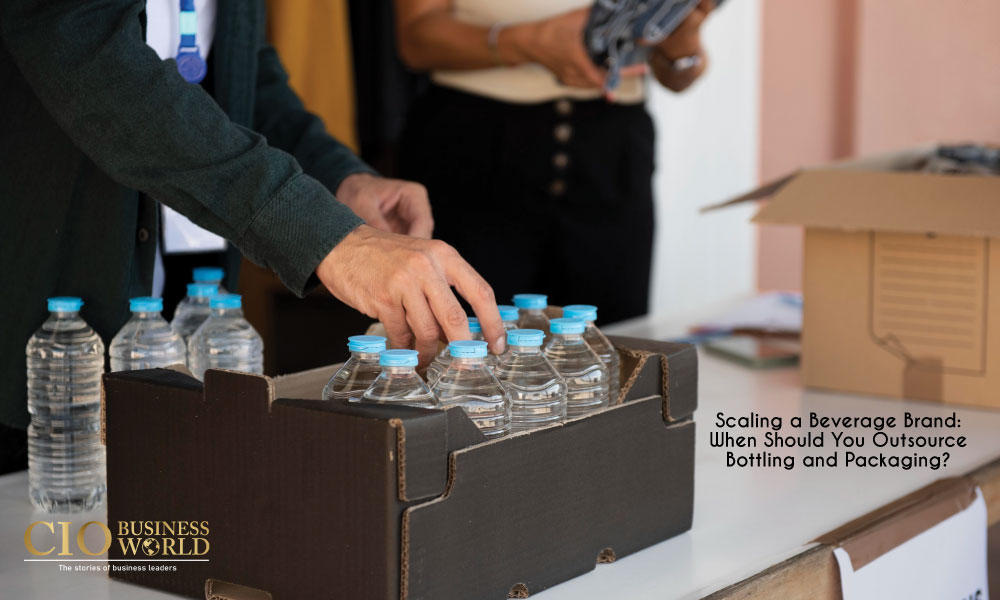
A beverage brand can grow quickly after a successful launch, a new retail deal, or a rise in online orders. But growth also brings a challenge: producing enough drinks to meet demand without letting costs, delays, or quality problems get out of hand.
At first, bottling products in-house may seem like the easiest way to stay in control. As orders increase, however, equipment, staff, storage, and production schedules can become harder to manage. What once worked for a small operation may start holding the business back.
Outsourcing bottling and packaging can help, but it is not the right move for every brand. The key is knowing when outside support makes business sense. Here are five signs that it may be time to consider the change.
1. Your Current Production Setup Cannot Keep Up
One of the clearest signs is when customer demand grows faster than your ability to produce drinks. You may find yourself running extra shifts, delaying orders, or turning down new opportunities because your production line is already full.
These problems can affect more than sales. Retailers expect products to arrive on time, and repeated delays can put future orders at risk.
Outsourcing can give a growing brand access to larger production lines without requiring it to build a new facility. According to a 2024 report from PMMI, the Association for Packaging and Processing Technologies, 67% of brand owners planned to maintain or increase their use of contract packaging and manufacturing over the following few years.
For a growing beverage company, working with an outside producer can make it easier to handle larger orders while keeping the business ready for further growth.
2. Equipment and Staffing Costs Are Eating Into Profits
Running your own bottling operation comes with ongoing costs. Filling machines, sealing equipment, labeling systems, maintenance, factory space, and trained workers all require money. When production volumes are low or change from month to month, these costs can be difficult to manage.
Buying more equipment may seem like the natural next step, but it is worth checking whether the expected sales will cover the investment. A new machine also brings maintenance needs and may require more staff or space.
Contract bottling offers another route. Instead of paying to build and maintain your own production capacity, you pay a beverage packaging company to manufacture and package your drinks according to an agreed plan. This can free up money for other parts of the business, including marketing, product development, sales, and distribution. Still, outsourcing is not automatically cheaper. Compare the full cost of in-house production with the partner’s fees, transport, storage, and other charges before deciding.
3. Quality Becomes Harder to Maintain as You Grow
A drink that tastes different from one batch to the next can damage customer trust. Problems with filling levels, seals, labels, or product safety can also lead to complaints and wasted stock. As production increases, keeping every batch consistent may require better equipment, trained staff, and more careful testing. Some businesses have the right recipe but struggle to maintain the same quality at a much higher volume.
An experienced contract bottler should have clear quality checks, suitable production equipment, and systems for tracking batches. Ask how the company checks ingredients, filling levels, seals, and finished products. You should also understand how it handles a failed quality check or a production issue.
Food safety is especially important for beverages that need hot filling, cold filling, or pasteurization. The right partner should have processes suited to your drink, not simply a production line that can fill bottles quickly.
4. You Want to Launch New Products or Enter More Markets
A growing beverage brand may want to add new flavors, introduce different container sizes, or create variety packs for retailers. Each change can add production steps and make scheduling more complicated.
Building the ability to handle every new format in-house may be expensive. An outside manufacturer could already have the equipment and experience needed to support these changes. For example, Matrix Bottling Group’s co-packing model allows beverage brands to provide their own formulations and packaging components while the production team handles bottling and quality control. This arrangement can help a brand expand production while keeping control of its recipe and branding.
When considering outsourcing to a beverage packaging company, check whether it can handle your drink type, container material, expected order size, and future product plans. A partner that suits your current needs but cannot support the next stage of growth may create another challenge later.
5. Production Is Taking Time Away From Growing the Business
Business owners often begin by handling many tasks themselves. You might oversee production schedules in the morning, deal with packaging suppliers in the afternoon, and spend the evening sorting out delayed orders.
That approach may work at first, but it can leave little time for building retailer relationships, studying customer feedback, or planning the next product launch. Outsourcing some production tasks can reduce that workload. It does not remove your responsibility for the product, but it can allow your team to focus on sales, customer needs, and business planning instead of managing every step on the production floor.
Before making the move, agree on order deadlines, production volumes, communication methods, and quality standards. You should also ask how the partner handles sudden demand changes, supply delays, and urgent orders. Clear expectations help both sides work toward the same goals.
Conclusion
Outsourcing bottling and packaging can help a beverage brand increase production, control certain costs, maintain quality, and make room for new opportunities. But it requires careful planning and a partner that understands your product and business goals.
Start by reviewing your current production costs, order volumes, quality concerns, and growth plans. Then compare the cost and flexibility of outsourcing with the cost of expanding your own operation. The right decision is the one that helps you meet customer demand without taking on unnecessary costs or losing control of product quality.