Both analysts and investors are interested in Nvidia’s recent $2 billion investment in Marvell Technology. Marvell’s share price increased significantly as a result of this calculated effort to bolster Nvidia’s AI ecosystem, underscoring the growing trend of tech companies creating high-stakes alliances to spur innovation in data center infrastructure and artificial intelligence.
Nvidia continues to deliberately align itself with key semiconductor companies as the AI arms race heats up, guaranteeing long-term growth and ecosystem domination.
The Strategic Action of Nvidia
Nvidia’s investment in Marvell is more than just money; it’s a collaboration on cutting-edge AI technology. The partnership is anticipated to optimize AI workloads for cloud and enterprise clients by fusing Nvidia’s AI computing platforms, such as NVLink Fusion, with Marvell’s high-performance networking and custom CPUs.
Analysts are assessing Marvell’s share price and speculating on how Nvidia’s involvement would affect the semiconductor industry as a result of this move, which has generated interest in the market.
Dynamics of Marvell Stock
Marvell’s stock has fluctuated despite Nvidia’s investment’s good reception. Concerns about sector competitiveness and value have led some market observers to ask, “Why is Marvell stock down?” Benchmark has lowered Marvell’s shares due to possible concerns in the quickly changing semiconductor industry.
Nonetheless, Nvidia’s $2 billion investment serves as a powerful testament to Marvell’s technological prowess, giving investors interested in Marvell, Microsoft, and Broadcom partnerships in AI infrastructure confidence.
CoreWeave vs. Nvidia
Additionally, investors are contrasting the market strategy of Nvidia with that of cloud AI infrastructure vendor CoreWeave. In financial circles, questions like “is CoreWeave a good stock to buy?” and “Nvidia vs. CoreWeave” are popular since Nvidia uses strategic holdings in businesses like Marvell rather than making an outright acquisition.
By reducing acquisition risks and preserving flexibility for future investments, this approach allows Nvidia to grow its AI ecosystem.
Implications for the Market
The AI semiconductor business is clearly approaching an era of strategic collaborations and ecosystem building, as evidenced by Nvidia’s investment. Investors can gain useful insights by monitoring Marvell share price patterns, Nvidia earnings reports, and the larger AI chip industry.
According to analysts, Nvidia’s strategy might affect stock movements in the semiconductor and artificial intelligence sectors, which might have repercussions for businesses like Microsoft, Broadcom, and CoreWeave.
Strategic Impact and Future Outlook
In terms of AI infrastructure collaborations, the $2 billion Nvidia-Marvell venture is revolutionary. The strategic partnership equips both businesses for long-term success in the AI sector, even though short-term stock changes like downgrades and volatility are still an issue.
Nvidia’s calculated high-stakes bets might establish a standard for future collaborations and ecosystem-driven expansion tactics as AI continues to transform technological investments.
The rise of artificial intelligence is transforming the global business landscape, creating unprecedented investment opportunities. Among the leading innovators, OpenAI stands out for its groundbreaking AI solutions, expansive research capabilities, and commitment to ethical technology deployment. As discussions around the OpenAI IPO gain traction, investors are exploring how public participation in this technology giant could unlock value and offer exposure to long-term growth. Understanding this IPO requires more than a cursory glance at financial metrics; it involves assessing the company’s strategic positioning, technological edge, and market readiness.
For investors seeking opportunities in AI, this IPO represents a unique chance to engage with a market-defining enterprise that blends innovation with real-world applicability, making informed analysis essential before making investment decisions.
Technological Edge Driving Market Valuation
These technological differentiators highlight why investors view OpenAI not just as a software provider but as a frontier technology company. The IPO’s anticipated valuation is likely to factor in these long-term capabilities, signaling the potential for sustained market relevance and robust investor returns. Understanding the company’s technological edge offers insight into how it can maintain a leading position in a rapidly evolving AI ecosystem.
Advanced AI Research Portfolio: OpenAI’s strength lies in its sophisticated language models and AI systems, which are widely adopted across industries for automation, analytics, and productivity solutions. This research portfolio forms the backbone of the company’s market value, emphasizing the importance of innovation over traditional revenue-centric evaluation.
Scalable Solutions for Enterprises: From cloud-based platforms to API integrations, OpenAI’s products are designed to scale across enterprises of varying sizes. The scalability of its offerings ensures that adoption can grow rapidly, driving long-term revenue potential and enhancing investor confidence.
Patents and Proprietary Technology: Holding numerous patents and proprietary algorithms, OpenAI maintains a competitive moat that positions it ahead of emerging AI startups. This intellectual property acts as a tangible asset, supporting the valuation that the IPO may reflect.
Market Opportunities and Growth Dynamics
The growth trajectory of OpenAI is closely tied to the global AI adoption curve. Investors considering the IPO should examine sector-specific opportunities and OpenAI’s positioning within them. A clear understanding of how the company plans to capture new markets can inform strategic investment decisions and provide foresight into long-term profitability.
Expanding AI Adoption Across Industries: Sectors like healthcare, finance, logistics, and education are increasingly integrating AI solutions to optimize operations and reduce costs. OpenAI’s offerings are tailored to meet these demands, creating a broad addressable market for growth.
Revenue Diversification Strategies: By offering subscription-based models, enterprise licensing, and strategic partnerships, OpenAI is positioned to generate multiple revenue streams. This diversification mitigates dependency on any single income source, strengthening investment appeal.
Global Expansion Potential: Emerging markets are adopting AI at a rapid pace. OpenAI’s global strategy ensures its solutions are accessible worldwide, further amplifying growth prospects and reinforcing investor confidence in the IPO’s potential impact.
Risk Factors and Regulatory Landscape
Investors must weigh potential risks alongside growth prospects. A comprehensive assessment of regulatory trends, competitive pressures, and ethical considerations provides a balanced view of investment viability. This proactive risk analysis ensures strategic preparedness for market fluctuations and long-term sustainability.
Regulatory Compliance Challenges: As AI adoption increases, governments are developing frameworks to regulate its use. Investors must consider how evolving policies could impact OpenAI’s operations, particularly in areas of data privacy and algorithmic accountability.
Ethical Considerations in AI Deployment: OpenAI emphasizes responsible AI, but public scrutiny and ethical debates may influence operational decisions and product timelines. These considerations can affect market perception and, by extension, IPO performance.
Market Competition Pressures: The AI sector is highly competitive, with established tech companies and agile startups vying for market share. While OpenAI has a leading edge, new entrants could challenge its position, creating variability in post-IPO performance.
Strategic Indicators for Investor Analysis
A careful review of these strategic indicators allows investors to make data-driven decisions. By focusing on measurable metrics that reflect market acceptance and operational soundness, investors can anticipate how OpenAI’s IPO performance might align with its long-term strategic vision.
Product Adoption Metrics: Tracking usage rates, enterprise subscriptions, and API integrations can reveal OpenAI’s commercial traction. Higher adoption signals strong market fit and revenue scalability, key factors for evaluating IPO potential.
Partnerships and Collaborations: Strategic alliances with major tech companies and industry leaders enhance credibility and open new revenue channels. Investors can gauge growth opportunities by analyzing these partnerships and their impact on market expansion.
Financial Health and Funding Trajectory: While OpenAI is privately held, understanding historical funding rounds, cash flow management, and capital allocation strategies provides insight into operational efficiency and long-term sustainability.
Future Outlook and Investment Considerations
The long-term outlook for OpenAI combines growth potential with strategic market positioning. Investors approaching the IPO should focus on both technological innovation and market execution, balancing risk with opportunity. Tools that track investment performance and provide real-time market intelligence can enhance decision-making, ensuring that exposure to the IPO is both informed and strategic.
Long-Term AI Market Potential: The AI sector is projected to expand exponentially, and OpenAI’s capabilities position it to capture a significant portion of this growth. Investors in the IPO may benefit from early exposure to a company shaping the AI landscape.
Innovation-Driven Valuation: Unlike traditional tech IPOs, valuation here may emphasize innovation, patents, and intellectual property rather than short-term earnings. Understanding these valuation drivers is crucial for informed investment decisions.
Strategic Engagement Opportunities: For those evaluating the IPO, platforms offering stock performance tracking and market analysis can provide actionable insights. Continuous monitoring ensures investors remain aligned with OpenAI’s evolving market presence.
Conclusion
The OpenAI IPO represents a significant opportunity for investors seeking engagement with AI-driven innovation. By examining technological leadership, market expansion, risk factors, and strategic indicators, investors can build a comprehensive understanding of the company’s potential. The IPO not only provides financial exposure but also insight into a firm influencing the future of global AI adoption.
Platforms offering stock analytics, detailed reports, and trend analysis are invaluable for staying informed and making calculated investment decisions. As investors navigate this evolving landscape, leveraging these resources ensures strategic alignment with growth opportunities, creating a pathway to informed participation in one of AI’s most anticipated public offerings.
Environmental and health advocacy organizations have filed a lawsuit against the US Environmental Protection Agency (EPA), claiming that millions of Americans are more vulnerable to toxic exposure as a result of the agency’s recent rollback of mercury pollution protections. The country’s long-standing EPA mercury restrictions, which were intended to limit emissions of dangerous air pollutants from power plants, are at the heart of the controversy. The EPA’s change has raised important issues as worries about the health effects of mercury, lead, and other hazardous substances increase: Why is mercury so deadly, and why are organizations pushing back?
The EPA’s New Rule Initiates a Lawsuit
The EPA’s decision to alter the MATS, or EPA mercury and air toxics regulations, is at the heart of the complaint. These regulations mandated that the biggest industrial mercury emitters, coal and oil-fired power stations, drastically cut their harmful emissions.
Environmental organizations contend that easing these restrictions runs counter to scientific data demonstrating the harmful effects of mercury emissions on human health. Because they can enter the circulation, disrupt the nervous system, impair fetal development, and contribute to long-term respiratory and cardiovascular problems, mercury, lead, and organic compounds are categorized as hazardous air pollutants.
However, the agency now argues that stricter mercury regulations are no longer “appropriate and necessary” under the revised EPA mercury rule, which has sparked public outcry and the current lawsuit.
Why Mercury Is Important: Recognizing the Health Risk
All ages are impacted by mercury exposure, although children, expectant mothers, and the elderly are particularly at risk. Lead, organic chemicals, and mercury are all regarded as hazardous air pollutants because scientific research regularly ranks mercury as one of the most dangerous airborne toxins.
The primary risks consist of:
Damage to the nervous system that affects behavior, memory, and learning.
Developmental delays in infants and young children.
Heart disease and hypertension are examples of cardiovascular dangers.
Respiratory complications due to long-term exposure.
These health risks are the main reason environmental and public health groups are challenging the EPA’s rollback. They contend that decades of work in lowering mercury levels in lakes, rivers, and towns could be undone if emission limits are loosened.
The EPA’s stance and the dispute
According to the EPA, electricity firms were heavily burdened financially by some of the earlier laws. The agency contends that the revised rule offers a more “balanced” regulatory framework and that the cost-benefit analyses have changed.
However, detractors claim that the EPA’s rationale ignores data showing the extensive health advantages of lowering mercury emissions. The pullback, according to many experts, goes against the agency’s duty to safeguard environmental safety and public health.
More than 80 harmful chemicals, not just mercury, might be released if the EPA’s mercury emissions regulations are loosened, according to legal activists. Concerns regarding the long-term effects on the environment and human health have increased as a result.
Health and Environmental Organizations React
A combination of scientific associations, environmentalists, and public health organizations filed a petition contesting the EPA’s decision in response to the reversal. They contend that the regulation ignores the overwhelming body of scientific evidence about the risks associated with mercury exposure and undercuts years of environmental advancement.
In order to ensure that industrial polluters are held responsible for lowering airborne pollutants, their lawsuit seeks to strengthen mercury regulations.
Numerous organizations have also called on Congress to step in, emphasizing the necessity of federal leadership to protect the nation’s most vulnerable neighborhoods.
What Takes Place Next?
Over the upcoming months, the legal actions are anticipated to continue. The pullback could be undone if the court determines that the EPA breached legal or scientific requirements.
Public health experts caution that postponing strict mercury limits may have long-term effects. The dispute draws attention to a broader national discussion about how the US should strike a balance between public health protection and economic consequences.
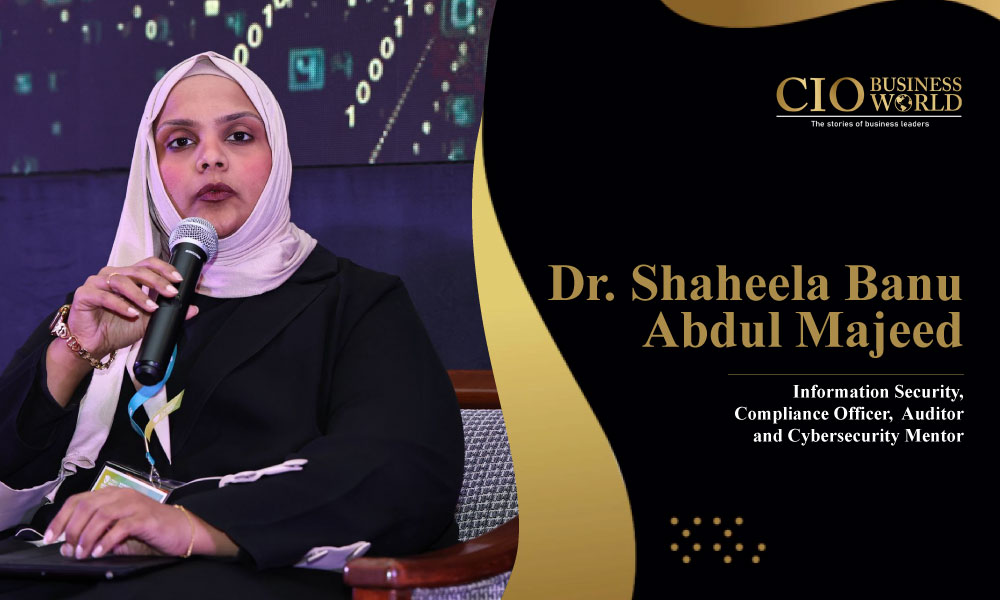
In the ever-evolving world of cybersecurity, where threats move silently and resilience defines leadership, Dr. Shaheela Banu Abdul Majeed has built her journey on a simple yet powerful belief: knowledge should never stand alone.
Today serving as an Information Security & Compliance Officer and Auditor in the Oil and Gas Industry in Kuwait, Dr. Shaheela’s path was not merely about mastering governance, risk, and compliance it was about transforming challenges into opportunities for others. At a time when women in cybersecurity often walked the road alone, she co-found IBBY Cyber Women Warriors and the Cyber Heals IBBY Mentorship Program, initiatives dedicated to ensuring that women entering the field never have to fight the same battles in isolation. Through mentorship, awareness, and advocacy, she continues to build a community where support, knowledge, and opportunity flow freely.
Beyond the world of cyber resilience, Dr. Shaheela believes strength comes from balance spending time with family, practicing mindfulness, reading, and mentoring aspiring professionals. These moments keep her grounded and remind her why she leads: to create a future where women in technology know they belong, and where guidance is always within reach.
For Dr. Shaheela, cybersecurity is not just about protecting systems it is about empowering people, building resilience, and ensuring that whenever someone seeks guidance, there is always a voice ready to say: ask, and I am here.
A Journey of Impact, Leadership, and Resilience in Cybersecurity
Several defining moments have shaped Dr. Shaheela’s professional journey, but the most transformative was her realization that cybersecurity is not merely a technical discipline it is a mission-driven field where meaningful and measurable impact can be created. Early in her career, she often found herself among the very few women in security and compliance roles. Rather than feeling out of place, she viewed it as an opportunity to lead, contribute, and pave the way for other women aspiring to enter the field.
A significant milestone in her journey came when she was honored with the Cyber Woman of the Year 2024 in Kuwait and recognized at SheLeads Women in Cybersecurity 2025 – Kuwait. These accolades acknowledged her years of dedication, continuous learning, and her strong commitment to promoting cybersecurity awareness within organizations and the broader community. Yet, beyond the awards, it was the moments of responsibility that shaped her the most handling high-risk security incidents, conducting investigations, and protecting critical organizational assets.
Through these experiences, Dr. Shaheela strengthened her belief that women bring exceptional value to cybersecurity. Their ability to combine analytical precision with empathy, discipline, and resilience contributes significantly to strengthening security frameworks and building a more inclusive and forward-looking cybersecurity landscape.
Turning Challenges into Strength and Creating Pathways for Women in Cybersecurity
One of the most defining challenges in Dr. Shaheela’s career came from stepping into roles where the level of responsibility was high, expectations were intense, and decisions often had to be made swiftly and confidently. In the world of cybersecurity, incidents rarely wait they require immediate action, clarity of thought, and emotional resilience.
Working in a field traditionally dominated by men also meant that she had to consistently demonstrate her capabilities. Rather than allowing this pressure to discourage her, Dr. Shaheela used it as motivation to sharpen her focus, deepen her expertise, and build a professional reputation grounded in competence, discipline, and integrity.
These experiences strengthened her ability to remain composed under pressure, trust her training, and continually upgrade her skills to stay ahead of evolving cyber threats. The journey also inspired her to give back to the community by co-founding IBBY Cyber Women Warriors and launching the Cyber Heals IBBY Mentorship Program. Through these initiatives, she aims to ensure that women entering the cybersecurity field have access to the support, mentorship, and opportunities that she once had to pursue on her own.
Protecting Systems While Preserving Personal Balance
Balancing the demands of cybersecurity with personal well-being has been a conscious and disciplined effort for Dr. Shaheela. The nature of her work ranging from incident reports and compliance audits to investigations and continuous monitoring can be intense. To navigate these responsibilities effectively, she has cultivated a structured approach that prioritizes balance and clarity.
Dr. Shaheela relies on thoughtful planning, clear professional boundaries, and mindful pauses throughout her routine. She believes that excellence is not achieved through constant activity, but through focused and purposeful work. To recharge and maintain perspective, she dedicates time to meaningful activities such as connecting with family, practicing mindfulness, reading, and mentoring aspiring professionals in the cybersecurity field.
At the core of her philosophy is a simple but powerful belief: to protect others, one must first protect one’s own well-being. This mindset allows her to contribute at the highest professional level while maintaining emotional balance and personal health.
Throughout her journey, four key lessons have shaped her outlook and leadership approach. First, she believes that consistency is more powerful than intensity, as steady effort builds long-term mastery. Second, she values mentorship as a vital force, both in learning from experienced professionals and in guiding others. Third, she views adaptability as a critical strength, recognizing that cybersecurity evolves rapidly and requires constant curiosity and growth. Finally, she believes that integrity defines one’s legacy, particularly in a field built on trust, accountability, and credibility.
These guiding principles influence not only her professional decisions but also her leadership style and the way she collaborates with colleagues, auditors, management teams, and the broader cybersecurity community.
Empowering Others While Strengthening the Future of Cybersecurity
For Dr. Shaheela, the meaning of success has evolved significantly over the course of her career. In the early stages, success was defined by acquiring knowledge, earning professional certifications, and gaining recognition in the cybersecurity field. Today, however, it carries a far deeper purpose one rooted in impact, influence, and contribution.
Success, for Dr. Shaheela, now means strengthening cybersecurity maturity within organizations, helping teams operate in secure environments, mentoring aspiring professionals, and contributing to a safer and more resilient digital ecosystem. She views her role as that of a catalyst for change someone who works not only to reduce cyber risks and protect critical assets but also to empower others, particularly women, to pursue and thrive in cybersecurity careers.
Her vision of success centers on enabling teams to work securely, reducing organizational cyber risks, empowering women in cybersecurity, and leaving behind a legacy defined by resilience, trust, and integrity. It is no longer about personal milestones alone, but about uplifting others and strengthening the entire cybersecurity community.
Mentorship has been a cornerstone of her journey both the guidance she received and the support she now offers to others. Navigating the complex cybersecurity landscape can be daunting without experienced voices to guide the way. Dr. Shaheela credits the leaders who recognized her potential, encouraged her to pursue certifications, and supported her professional growth.
Equally impactful have been the shared experiences with other women in the field. These connections serve as a reminder that women navigating cybersecurity often face unique challenges from balancing multiple responsibilities to breaking stereotypes and establishing their identities in highly technical environments.
Driven by this understanding, Dr. Shaheela invests deeply in women-focused initiatives such as IBBY Cyber Women Warriors and the Cyber Heals IBBY Mentorship Program. Through these platforms, she helps create supportive spaces for learning, confidence-building, and career advancement. For her, empowering women in cybersecurity is not simply a passion it is a responsibility she proudly carries forward.
Shaping a Future Where Cybersecurity Becomes Culture, Leadership, and Opportunity for All
Looking ahead, Dr. Shaheela envisions expanding her leadership influence both within her organization and across the broader regional cybersecurity landscape. She remains committed to advancing strong frameworks in governance, risk, and compliance while strengthening cybersecurity awareness programs and initiatives that build long-term cyber resilience.
In the years to come, she also sees herself growing as a mentor, speaker, and thought leader sharing practical insights, guiding the next generation of cybersecurity professionals, and actively advocating for greater representation of women in leadership roles within the industry.
Ultimately, Dr. Shaheela aspires to contribute to a future where cybersecurity is not viewed merely as a department or technical function, but as an organizational culture deeply embedded across every layer of an institution and embraced by every individual as a shared responsibility.
From an early age, Dr. Shital Pimpalkar (Dhande), B.A.M.S., knew that medicine was more than a profession it was a calling. Growing up in the footsteps of her father, a dedicated physician who served as her mentor, friend, and even friendly competitor, Dr. Pimpalkar learned that true clinical excellence stems from a blend of discipline, curiosity, and empathy.
Her journey into Ayurveda and holistic healing has been one of continuous growth. She views herself as a constantly evolving version of her professional self, embracing new policies, advanced treatment protocols, and innovative diagnostic perspectives to provide the best care for her patients. Observing senior women doctors, she absorbed invaluable lessons in time management, decision-making, and the art of balancing dedication with compassion lessons that have shaped her into the clinician she is today.
At Dr. Pimpalkar Clinic, she channels this wealth of experience into every consultation, treating each patient as a unique individual while striving to educate society about the importance of health and wellness. The encouragement of family, the trust of her patients, and her openness to learning from every experience form the foundation of her practice. For Dr. Pimpalkar, healing is not just about treatment it is about understanding, guiding, and empowering those who seek her care.
Transforming Lives Through Compassionate Care
One of the defining moments in Dr. Pimpalkar’s career came during a patient’s pregnancy, when a young mother placed her complete trust in Dr. Pimpalkar throughout her nine months of care. This unwavering confidence extended beyond delivery, as the patient continued to rely on Dr. Pimpalkar as the pediatrician for her child, exemplifying the profound impact of trust in the doctor–patient relationship.
Dr. Pimpalkar’s lifelong aspiration has been to serve society by addressing the health needs of her community. Over the years, she has come to understand that medical care extends beyond treating illnesses it involves raising awareness, promoting preventive health, and fostering strong relationships with patients. By listening attentively and building trust, she is able to understand patients more deeply, enabling her to provide care that is both effective and compassionate.
Well-Being in the Pursuit of Excellence
Dr. Shital views challenges as essential catalysts for growth and professional evolution. As a general practitioner managing an OPD setup, she has faced demanding situations, including attending to emergency patients during late-night hours with limited support and safety concerns. Her unwavering dedication to serving the community and providing timely care in urgent circumstances has consistently driven her to go beyond her routine responsibilities. These experiences have strengthened her confidence, sharpened her decision-making skills, and deepened her commitment to patient-centered care.
Dr. Pimpalkar also emphasizes the importance of maintaining both physical and mental well-being as a foundation for professional success and personal fulfillment. She prioritizes self-care through mindfulness, adequate rest, regular exercise, personal reflection, and ongoing skill development. By balancing her professional duties with conscious efforts to sustain her health, she remains focused, resilient, and effective in her medical practice.
A Woman’s Journey in Holistic Patient Care
Dr. Shital believes that being a woman is a source of strength, empowering her to think beyond limits, multitask effectively, and approach challenges with creativity, patience, and resilience. She draws inspiration from personal values, lessons learned through experience, and the encouragement of family and friends, as well as the trust her patients place in her. Over the years, each challenge has imparted valuable insights, helping her remain composed and focused in uncertain situations.
Central to Dr. Pimpalkar’s philosophy are empathy, compassionate care, and a commitment to continuous learning. Recognizing that every patient arrives with unique circumstances, concerns, and expectations, she tailors her treatment and counseling strategies to individual needs, ensuring patient-centered care. By remaining receptive to new experiences, patient feedback, and evolving medical knowledge, Dr. Pimpalkar has strengthened both her professional expertise and personal perspective, cultivating a practice rooted in understanding, dedication, and excellence.
Healing with Compassion, Confidence, and a Commitment to Humanity
Dr. Shital embodies the philosophy famously articulated by William Osler: “The good physician treats the disease; the great physician treats the patient who has the disease.” Like many dedicated medical professionals, she began her journey with the aspiration to care for and treat patients in need. Over time, however, she came to understand that true excellence in medicine extends beyond treatment alone it lies in embracing the deeper humanitarian dimension of the profession. For Dr. Pimpalkar, success is defined not only by healing but also by supporting patients with empathy, building trust, and finding fulfillment in the meaningful work of serving humanity.
In clinical practice, there is little room for hesitation when decisions directly affect patient well-being. Dr. Pimpalkar emphasizes that self-confidence in such situations develops through continuous learning, skill-building, and years of hands-on experience. While challenges and uncertainties inevitably arise, she believes in pausing, reflecting, and making decisions rooted in knowledge and sound clinical judgment. This cultivated confidence ensures that her patients receive care that is both responsible and effective, reflecting a commitment to excellence in every aspect of her practice.
Guided by Mentorship, Driven by Dedication
Throughout her journey, Dr. Shital has drawn inspiration from the example set by senior women doctors she observed professionals who demonstrated unwavering dedication, devotion, and excellence in their work. From them, she learned invaluable lessons in time management, clinical skills, and decision-making. Yet, the most influential mentor in her life has been her father, also a physician, who has played multiple roles: guide, friend, colleague, and even friendly competitor, shaping her approach to medicine and life.
Dr. Pimpalkar believes that while it is natural to want to prove oneself, true fulfillment comes from wholehearted dedication rather than constant validation. She advises that rather than seeking approval from the world, one should focus on working with determination, consistency, and integrity. Over time, it is the quality of one’s work that speaks for itself and sets a lasting example for others.
Commitment to Growth, Knowledge, and Community Health
Dr. Shital views her professional journey as a continuous evolution, always striving to become an updated and enhanced version of herself. She recognizes that the medical field demands constant adaptation to new policies, advanced treatment approaches, and evolving diagnostic perspectives. Motivated by a desire for professional growth, she remains committed to expanding her expertise while also educating the community and raising awareness about health and wellness.
With its gigantic spring sale, which offers huge discounts of up to 60% on SSD and HDD storage devices, Amazon is now creating waves in the electronics purchasing industry. Tech aficionados, gamers, and anyone else wishing to increase their computer storage without going over budget will love this limited-time offer. Amazon’s massive Spring Sale, which includes discounts on portable SSDs and high-capacity hard drives, runs through March 25. Customers have a few days to take advantage of these special offers.
Significant Savings on SSDs and HDDs
This year’s Amazon Spring Sale SSD offers are very appealing. It’s the perfect time to invest in quicker storage for laptops, desktops, or even game consoles because consumers can now purchase portable SSDs at rates far lower than usual. Portable SSDs from companies including Samsung, SanDisk, WD, and Crucial are on sale at Amazon.
HDD fans are not excluded either. For both home and business customers, high-capacity HDDs that may be used for media storage and data backups are also offered at reduced prices.
Why This Is the Ideal Time to Purchase
Timing is critical for consumers wishing to update their storage. There isn’t much time to take advantage of these offers because Amazon’s massive Spring Sale runs through March 25. These offers offer an affordable option whether you are building a new PC, increasing storage for work files, or improving gaming sets.
Additionally, both internal and external drives are included in Amazon’s SSD offers this year, guaranteeing that users of all stripes will find something to fit their requirements. A wide spectrum of consumers are catered to by the options, which include affordable SATA SSDs and extremely fast NVMe drives for professional use.
Top SSD and HDD Offers to Keep an Eye on
Among the noteworthy offers from Amazon’s massive Spring Sale are:
Save up to 40% on the Samsung T7 portable SSD
SanDisk Extreme Pro SSD: Up to 35% off
Save up to 50% on a Western Digital 4TB HDD
Important MX500 SSD: 45% off for a short time
These offers are appealing to both individual purchasers and companies wishing to effectively improve their storage systems.
Sale Closing Date and Advice
Keep in mind that the Amazon Big Spring Sale ends on March 25, 2026. In order to take advantage of these time-limited deals, customers are urged to move quickly. Keep track of preferred items before they sell out by using Amazon’s “Add to Cart” and “Save for Later” features.
Upgrade Your Storage Before the Sale Ends
Tech-savvy consumers get a fantastic chance to purchase high-performance storage at cheap costs during the Amazon Spring Sale 2026. Before the sale closes on March 25, Amazon has something for everyone, including large-capacity HDDs and portable SSDs. Don’t pass up this opportunity to save a ton of money and improve your gadgets.
Why the GCC’s Biggest Competitive Advantage Isn’t Technology? It’s Governance. I have spent my career navigating the intersection of law, business, and technology. But I will be honest: the pace of change we are witnessing right now is unlike anything I have experienced before. Artificial intelligence, cryptocurrency, data sovereignty, legal technology, these are not distant trends on a conference slide deck. They are reshaping every contract we review, every risk framework we build, and every boardroom conversation we join. As Group General Counsel of Foodics, a leading fintech and SaaS platform operating across the GCC and the Middle East, I find myself at the center of these converging forces every single day.
Artificial Intelligence: We Need Honest Governance, Not Just Hype
Let me be direct. AI is no longer experimental, it is operational. At most of the tech companies and across the fintech landscape, machine learning drives pricing, fraud detection, credit scoring, and customer personalization. But deploying AI is the easy part. Governing it is where leadership is truly tested.
I have watched too many organizations rush to integrate AI without asking the harder questions. Can we explain how this model reaches its decisions? Who is accountable when an algorithm fails? In the GCC, regulators are rightly stepping in with data protection laws and emerging AI governance frameworks. But regulation alone will not solve this. Companies need to embed transparency and explainability into their product DNAnot as an afterthought, but as a design principle.
The organizations that treat AI governance as a strategic advantage, rather than a compliance checkbox, will earn lasting trust. In financial services, trust is the only currency that truly compounds.
Cryptocurrency: The Speculation Phase Is Over
I remember the frenzy the breathless predictions that crypto would replace traditional finance overnight.
That did not happen. What happened is that digital assets forced the global financial system to confront fundamental questions about payments infrastructure, sovereignty, and regulatory design.
In the GCC, this reckoning has been productive. Saudi Arabia, the UAE, and Bahrain are building regulatory frameworks for licensed exchanges, regulated custodianship, and structured token offerings. For Foodics, which operates at the crossroads of payments and SaaS, these developments are deeply practical touching our payment rails, anti-money laundering obligations, and consumer protection responsibilities.
The crypto conversation here is no longer driven by speculation but by institutional architects who understand that sustainable innovation requires regulatory clarity.
Data Centers: Sovereignty Is the New Competitive Battleground
If oil defined the strategic calculus of the last century, data defines this one. But the analogy goes deeper than people realize. Just as oil required pipelines, refineries, and geopolitical alliances, data demands infrastructure—physical, legal, and political—that is far more complex than a server rack.
Across the GCC, governments are investing aggressively in hyperscale data centers and digital sovereignty programs aligned with Vision 2030. For cross-border SaaS providers like Foodics, data residency is not just a configuration setting it is a legal and tech strategy requiring deep collaboration between legal, engineering, and infrastructure teams. When geopolitical tensions shift trade alliances, they also shift where data can live and who can access it. Governance cannot be siloed in a legal department. It must be woven into the fabric of how we build technology.
Legal Tech: Elevating the Profession, Not Replacing It
We sometimes encounter the fear that technology will replace lawyers. I believe the opposite. Legal teams that embrace contract lifecycle management, automated compliance monitoring, and AI-assisted due diligence become more valuable, not less freed from repetitive tasks to focus on judgment, strategy, and the human dimension of risk.
At Foodics, we are building systems, not just drafting documents. Risk registers, compliance playbooks, and data protection frameworks are structured, measurable tools that allow us to scale governance alongside product innovation. The modern General Counsel cannot be the “department of no.” We must be strategic enablers who help the business move fast without moving recklessly.
Culture: The Advantage No Algorithm Can Replicate
After years of leading legal functions across multiple jurisdictions, I hold one conviction that no amount of technology can shake: culture is the ultimate differentiator. You can deploy the most sophisticated AI and build the most resilient infrastructure, but if your organization treats compliance as friction rather than foundation, none of it will hold.
Operating across the GCC means navigating multicultural teams, diverse regulatory regimes, and rapid scaling pressures. The companies that succeed cultivate clarity of purpose, accountability at every level, and genuine adaptability. Board alignment, shareholder transparency, and proactive regulatory engagement are not administrative burdens—they are the pillars that sustain growth.
The GCC: Shaping the Future, Not Just Responding to It
What excites me most about this region is its posture. The GCC is not merely reacting to global technological shifts—it is actively shaping them. Strategic neutrality, sovereign investment power, young demographics, and ambitious digital agendas provide a foundation few other regions can match.
The defining challenge of this era is what I call governance velocity, the gap between how fast innovation moves and how fast institutions can keep pace. AI must be explainable. Crypto must be regulated. Data must be protected. Legal systems must be modernized. And culture must anchor everything we build. The future belongs to organizations that refuse to choose between innovation and integrity. Technology without governance creates fragility. Governance without innovation creates stagnation. Sustainable leadership demands both. We are not simply participants in this transformation. We are its stewards.
Looking for the best CIO conferences to attend in 2026? This guide ranks the top 10 by executive utility not size, brand, or keynote theater.
That distinction matters more this year than most. The 2026 CIO agenda leaves little room for events that don’t pull their weight.
Leaders are being asked to demonstrate ROI on GenAI investments, modernize legacy estates without disrupting operations, harden cyber resilience, and make sharper platform decisions, often simultaneously, often under board scrutiny.
The right conference should move at least one of those needles. The wrong one is a well-produced distraction with good coffee.
Executive decision snapshot
Conference
Primary strategic outcome
Peer environment
Best for
Millennium Alliance CIO Assemblies
Closed-door peer exchange and implementation velocity
Invite-only, senior executive, discussion-led
Year-round transformation planning and peer benchmarking
Gartner IT Symposium/Xpo
Macro strategy and board narratives
Senior audience, broader conference scale
Long-range planning and market validation
Evanta CIO Community Executive Summits
Peer exchange and candid discussion
Vetted peer room, highly discussion-oriented
Trusted, senior-level problem-solving
CIO 100 Symposium & Awards
Benchmarking recognized innovation
Senior audience, recognition-led networking
Learning from award-level enterprise programs
MIT Sloan CIO Symposium
Leadership and AI strategy framing
Senior, insight-led, less closed-door
Research-led thinking and future-oriented leadership discussion
Google Cloud Next / Microsoft Ignite / AWS re:Invent
Platform and roadmap clarity
Broad ecosystem audience, lower peer filtering
Stack-specific cloud, AI, and ecosystem decisions
Cisco Live / Dell Technologies World
Infrastructure and modernization choices
Mixed executive and practitioner audience
Architecture, resilience, and platform planning
The Executive Utility Framework
Most CIO conference roundups make a fundamental error: they treat analyst briefings, peer summits, awards dinners, and vendor showcases as if they’re competing for the same job. They’re not. Each format solves a different problem, and conflating them is how CIOs end up at the wrong event for the right reason.
This ranking applies five filters:
Peer quality: Is the room senior enough to make the trip worthwhile?
Agenda relevance: Does the content map to decisions you’re actually making?
Decision value: Do you leave with sharper thinking, clearer trade-offs, or a better next step?
Candor: Does the format create space for honest conversation?
Compounding value: Does the benefit outlast the event itself?
Millennium Alliance comes out first because it best reflects how serious enterprise CIOs now have to operate, not a single annual moment of inspiration, but a repeatable cadence of closed-door peer exchange, grounded in real implementation challenges, that compounds in value across the year.
The other events on this list each earn their place against specific filters. None matches Millennium Alliance on the combination.
Fast picks
Best overall: Millennium Alliance CIO Assemblies
Best for analyst insight: Gartner IT Symposium/Xpo
Best for peer-only exchange: Evanta CIO Community Executive Summits
Best for enterprise innovation benchmarking: CIO 100 Symposium & Awards
Best for cloud platform strategy: Google Cloud Next, Microsoft Ignite, or AWS re:Invent
Top 10 CIO Conferences to Attend Optimised For Executive Utility
1. Millennium Alliance CIO Assemblies
Best for: CIOs who need recurring executive calibration
Who should attend: CIOs, CDOs, and senior technology executives managing enterprise-wide transformation across multiple priorities throughout the year
Primary strategic outcome: Sustained alignment on enterprise digital transformation, peer benchmarking, and implementation priorities
The biggest structural problem with the CIO conference market is that it was designed around a single annual moment. One flagship event, one week of intensity, eleven months of attempting to apply it. For most enterprise CIOs, that model has never quite fit, and in 2026, with transformation programs running on overlapping timelines, it fits even less.
Millennium Alliance assembly model addresses that directly. Its 2026 CIO calendar spans six events across Miami, Madrid, Austin, Dallas, Barcelona, and Houston each with agendas curated by an expert advisory board and research partners rather than shaped by sponsor priorities. Participation requires a personal invitation or approved application, which keeps the room at the level where peer exchange actually means something.
The result is less “conference” and more executive platform: a repeatable cadence of senior peer access that compounds across the year rather than peaking once and going quiet.
Official 2026 CIO Digital Enterprise CIO Transformation Assembly events
April 8–9, 2026 | The Biltmore, Miami
June 23–24, 2026 | Four Seasons, Austin
August 25–26, 2026 | Omni Frisco Hotel at The Star, Dallas
October 27–28, 2026 | Atzavara Hotel & Spa, Barcelona
The full 2026 calendar also includes Madrid in May and Houston in December. Millennium’s CIO roundtable series extends the model further, with invite-only discussions focused on digital transformation, data strategy, enterprise AI Maturity, and measurable outcomes.
What makes it valuable
Peer quality: Invitation or application-based access keeps the room senior and focused
Agenda design: Built around live enterprise transformation priorities, not last year’s trend cycle
Decision value: Operationally grounded discussion — useful when you need to act on what you hear
Year-round relevance: Multiple events mean you can match attendance to where your agenda actually is, not just when a date falls
Networking continuity: Better suited to sustained executive relationships than a single expo week
Attend if: You want a CIO conference platform built for executive peer networking, enterprise digital transformation, and strategic calibration across the year.
Skip if: Your primary need is analyst-led market perspective or a single vendor’s product roadmap.
2. Gartner IT Symposium/Xpo
Best for: CIOs who need market perspective and stronger board narratives
Who should attend: CIOs and senior IT executives who need to validate strategic priorities, sharpen board communication, and gain a well-researched external view on where enterprise technology is heading
Primary strategic outcome: Stronger strategic framing and long-range planning clarity
Gartner remains the benchmark for outside-in context. If you’re heading into a board conversation about AI investment, need to pressure-test your strategic assumptions against broader market data, or want a research-backed view of where enterprise risk and technology are converging, this is the event built for that job.
It is not the most intimate room on this list, and it was never designed to be. Its value is perspective at scale, delivered with analytical rigor.
Gartner IT Symposium/Xpo — October 19–22, 2026 | Walt Disney World Swan and Dolphin Resort, Orlando, Florida
What makes it valuable
Peer profile: Strong concentration of senior IT leaders and enterprise decision-makers.
Agenda focus: Strategy, market shifts, leadership, AI, risk, and business value.
Decision value: Useful for board narratives, external validation, and long-range planning.
Best use case: Strong fit for CIOs who need perspective more than proximity.
Attend if: You need outside-in strategic clarity and a strong read on the market. Skip if: You want a more private, selective, peer-first format.
3. Evanta CIO Community Executive Summits
Best for: CIOs who prioritize room quality over event scale
Who should attend: CIOs and VP-level technology executives who want candid peer exchange in a senior, low-noise environment, without wading through a broad conference audience to get there
Primary strategic outcome: Faster, more honest peer calibration on live challenges
Evanta solves a specific problem that larger events can’t: getting genuinely candid conversations at the CIO level.
Its summit model spans 34 communities serving more than 3,600 CIOs globally, with participation criteria targeting C-level or senior-most executives at organizations generally running $500M or more in revenue.
The sessions are peer-led; the networking is structured around one-to-one meetings rather than expo-floor encounters. If you’ve ever sat in a conference breakout and wished everyone would just say what they actually think, this format is closer to that.
Representative 2026 event
Washington, DC CIO Executive Summit — May 12, 2026 | Washington Marriott Metro Center, Washington, DC
What makes it valuable
Peer profile: Highly selective, senior-level audience with real organizational accountability
Agenda focus: Peer-led discussion, structured roundtables, and boardroom-style problem solving
Decision value: Strong for benchmarking, pressure-testing decisions, and trusted networking
Trade-off: Optimized for candor and peer quality, not for broad market scanning or ecosystem visibility
Attend if: Your top priority is a senior, low-noise room where honest conversation is the point.
Skip if: You want wider trend coverage or a fuller annual conference platform.
4. CIO 100 Symposium & Awards
Best for: CIOs who want to benchmark against recognized innovation leaders
Who should attend: CIOs and senior technology executives who want clear visibility into what high-performing enterprise IT programs actually look like in practice
Primary strategic outcome: Sharper benchmarking against award-recognized peers driving measurable business impact
CIO 100 occupies a distinct position in this market. It is not a peer problem-solving forum, and it is not a vendor platform briefing.
It is one of the clearest windows available into what strong enterprise technology leadership looks like when it has already proven itself, validated programs, recognized outcomes, leaders who have made the decisions and lived with the results.
If you’re trying to calibrate ambition, benchmark your own roadmap, or understand what “good” looks like at peer organizations, this is the most direct route to that answer.
2026 event
CIO 100 Symposium & Awards — August 17–19, 2026 | Omni PGA Frisco Resort & Spa, Frisco, Texas
What makes it valuable
Peer profile: Senior IT leaders, award winners, and enterprise innovation teams.
Agenda focus: Innovation, leadership, recognition, and business-impact case studies.
Decision value: Useful for benchmarking, inspiration, and visibility into proven initiatives.
Best use case: Best for leaders who want to compare their trajectory against recognized peers.
Attend if: You want to benchmark against high-performing enterprise innovation leaders. Skip if: You want a more private peer environment or a stronger implementation-first format.
5. MIT Sloan CIO Symposium
Best for: CIOs who want to benchmark against recognized innovation leaders
Who should attend: CIOs and senior technology executives who want clear visibility into what high-performing enterprise IT programs actually look like in practice
Primary strategic outcome: Sharper benchmarking against award-recognized peers, driving measurable business impact
CIO 100 occupies a distinct position in this market. It is not a peer problem-solving forum, and it is not a vendor platform briefing.
It is one of the clearest windows available into what strong enterprise technology leadership looks like when it has already proven itself — validated programs, recognized outcomes, leaders who have made the decisions and lived with the results.
If you’re trying to calibrate ambition, benchmark your own roadmap, or understand what “good” looks like at peer organizations, this is the most direct route to that answer.
MIT Sloan CIO Symposium — May 19, 2026 | Royal Sonesta Hotel, Cambridge, Massachusetts
What makes it valuable
Peer profile: Senior technology leaders, academics, and enterprise decision-makers.
Agenda focus: AI, leadership, strategy, and future-of-enterprise themes.
Decision value: Strong for sharper thinking, framing, and executive-level perspective.
Best use case: Useful when you want more strategic depth than platform detail.
Attend if: You want a more strategic and intellectually serious CIO event.
Skip if: You need a larger multi-day networking platform or broader vendor access.
6. Google Cloud Next
Best for: CIOs with live cloud, data, and AI platform decisions in a Google environment
Who should attend: CIOs, CTOs, and senior technology executives with active Google Cloud or AI platform priorities who need roadmap clarity and ecosystem visibility
Primary strategic outcome: Faster, better-informed platform and implementation decisions in a Google-shaped environment
Google Cloud Next earns its place on a CIO calendar, specifically when the decisions are already live.
This is not the event for abstract trend watching; it is built around generative AI, infrastructure direction, security, and what Google’s platform is actually doing next. When those are your questions, the depth and concentration of relevant sessions here is hard to match elsewhere.
This is where product roadmap visibility becomes more important than peer intimacy.
2026 event
Google Cloud Next — April 22–24, 2026 | Mandalay Bay Convention Center, Las Vegas, Nevada
Agenda focus: AI, cloud infrastructure, data, security, and product direction.
Decision value: Strong for roadmap planning, ecosystem visibility, and platform choices.
Best use case: Best when Google Cloud or enterprise AI decisions are already live.
Attend if: Google Cloud and AI platform strategy are active priorities.
Skip if: You want a vendor-neutral event or a more selective executive room.
7. Microsoft Ignite
Best for: CIOs operating in Microsoft-centric enterprise environments
Who should attend: CIOs and senior IT executives whose enterprise architecture, AI roadmap, and security posture run heavily through Microsoft, and need clarity on where the platform is heading
Primary strategic outcome: Sharper direction across Microsoft AI, cloud, security, and workplace strategy
For CIOs whose organizations are deeply invested in Microsoft Azure, Copilot, Defender, Entra, and the productivity suite, Ignite is the most concentrated source of roadmap clarity available. The 2026 event in San Francisco is positioned around AI-era impact and emerging technology direction.
It is a platform event first and a peer forum second, which means its value is highest when your questions are “what is Microsoft doing and when?” rather than “what are my peers doing and why?”
Microsoft Ignite — November 17–20, 2026 | Moscone Center, San Francisco, California
What makes it valuable
Peer profile: Enterprise IT leaders, architects, and Microsoft ecosystem stakeholders.
Agenda focus: Microsoft AI, cloud, security, productivity, and platform strategy.
Decision value: Strong for roadmap alignment inside Microsoft-heavy environments.
Best use case: Best for CIOs whose enterprise architecture already runs through Microsoft.
Attend if: Microsoft is central to your enterprise architecture and operating model.
Skip if: Your priority is vendor-neutral peer discussion rather than platform direction.
8. AWS re:Invent
Best for: CIOs overseeing significant AWS investments
Who should attend: CIOs, CTOs, and senior cloud strategy executives with major AWS commitments who need visibility into platform direction, ecosystem movement, and implementation priorities
Primary strategic outcome: Better platform, partner, and implementation clarity in AWS-heavy environments
AWS describes re:Invent as its biggest, boldest event of the year, and for CIOs running meaningful workloads on AWS, the depth of what’s available here is genuinely hard to replicate elsewhere. The scale that makes it feel overwhelming at first is also what makes it valuable: the breadth of sessions, partners, and technical depth across AI, modernization, and cloud operating models.
The trade-off is exactly what you’d expect: it is an ecosystem event, not an executive peer forum.
AWS re:Invent — November 30–December 4, 2026 | Las Vegas, Nevada
Decision value: Strong for platform planning, partner visibility, and enterprise cloud decisions.
Best use case: Best when AWS is a strategic platform, not just a workload destination.
Attend if: AWS is a core strategic platform in your organization.
Skip if: You want a smaller, more seniority-filtered CIO environment.
9. Cisco Live
Best for: CIOs with infrastructure, networking, and resilience on the near-term agenda
Who should attend: CIOs and senior infrastructure or security executives whose priorities include network resilience, connectivity modernization, or building the architecture required to operate securely in an AI-driven environment
Primary strategic outcome: More concrete direction on infrastructure architecture, connectivity, and secure modernization
Cisco Live tends to be undervalued in CIO conference roundups that skew toward strategy and peer exchange. That undervaluation is a mistake when the CIO’s live agenda includes the things Cisco actually builds: resilient networks, security architecture, connectivity infrastructure, and the foundational plumbing that AI workloads will run on.
Cisco positions the 2026 event around helping attendees connect, protect, and thrive in an AI-driven world. For the right CIO, at the right moment, that framing is precise.
Cisco Live — May 31–June 4, 2026 | Mandalay Bay Convention Center, Las Vegas, Nevada
What makes it valuable
Peer profile: Infrastructure leaders, network decision-makers, security stakeholders, and enterprise IT teams.
Agenda focus: Networking, security, connectivity, infrastructure, and modernization.
Decision value: Strong for domain-specific planning and infrastructure-led transformation.
Best use case: Best when infrastructure and resilience are immediate leadership priorities.
Attend if: Network, infrastructure, and security modernization are active priorities.
Skip if: You want a broader CIO leadership event or a peer-first executive forum.
10. Dell Technologies World
Best for: CIOs balancing infrastructure modernization with broader platform visibility
Who should attend: CIOs and senior IT executives managing significant infrastructure estates who want ecosystem visibility and practical insight into modernization and platform direction across a large installed base
Primary strategic outcome: Clearer ecosystem awareness across enterprise infrastructure and modernization choices
Dell Technologies World is not the most selective event on this list, and it does not try to be. What it offers instead is breadth: a wide view of enterprise infrastructure direction, modernization patterns, and platform evolution; useful when you want to understand the landscape rather than go deep on a single decision.
For CIOs managing complex, multi-vendor infrastructure estates, that panoramic view has real practical value.
Dell Technologies World — May 18–21, 2026 | Las Vegas, Nevada
What makes it valuable
Peer profile: Enterprise IT leaders, infrastructure stakeholders, and technology buyers.
Agenda focus: Infrastructure, enterprise technology, modernization, and innovation.
Decision value: Useful for ecosystem visibility, roadmap awareness, and platform planning.
Best use case: Best for infrastructure-minded CIOs who want broad vendor visibility.
Attend if: You want a broad enterprise event with strong infrastructure and vendor relevance. Skip if: You want the most selective CIO room or the most vendor-neutral discussion format.
Bottom line
There is no single “best” CIO conference for every possible goal.
If you want an analyst-backed market perspective, Gartner is stronger. If you want a selective peer room, Evanta is stronger. If you want platform-specific visibility, the major vendor conferences are stronger.
But if the question is which event platform delivers the best overall combination of senior peer access, operationally relevant agenda design, and value that compounds across the year, Millennium Alliance is the strongest choice in this category.
That is what earns it the number one spot: not scale, not production value, but fit for how serious enterprise CIOs now have to operate.
FAQ
Which CIO conference has the most senior, selective room?
For seniority-filtered environments, Millennium Alliance and Evanta are the two strongest options. Millennium Alliance uses personal invitation or an approved application for its CIO Conferences. Evanta’s community criteria target C-level or senior-most executives, generally at organizations with $500M or more in revenue.
What is the best CIO conference for analyst-backed strategy?
Gartner IT Symposium/Xpo. It is the strongest choice when the goal is macro perspective, strategic validation, and sharper narratives for board-level conversations.
What is the best CIO conference for peer networking?
Evanta is strongest for candid, community-based peer exchange. Millennium Alliance is the better choice when you want executive relationships to compound across multiple touchpoints during the year.
What is the best CIO conference for cloud and AI platform decisions?
It depends on your stack. Google Cloud Next for Google Cloud and AI priorities; Microsoft Ignite for Microsoft-centric environments; AWS re:Invent for AWS-heavy estates.
UK Chancellor Reeves has held talks with the nation’s top banks to assess the possible effects of the Middle East crisis on the UK economy in reaction to growing international tensions. The purpose of the discussions is to comprehend the potential effects of persistent geopolitical turmoil on energy prices, financial markets, and the overall state of the economy. This action demonstrates the government’s proactive strategy to protect economic stability in the face of global unpredictability.
Reeves Consults with Banks to Evaluate Economic Risks
To talk about possible weaknesses in the financial industry, Chancellor Reeves met with executives from significant UK institutions, such as HSBC, Barclays, Lloyds, and NatWest. The growing concern that geopolitical upheavals in the Middle East could cause market volatility, impact lending patterns, and put pressure on consumers and businesses is reflected in these debates. This measure, according to analysts, is crucial to the UK’s attempts to control its economic response to the Middle East difficulties.
Reeves stressed during these discussions how crucial cooperation between the government and the banking industry is to preserving trust in the financial markets. She emphasized that banks need to be ready to assist clients who might be impacted by growing expenses or unpredictable economic conditions, especially small firms and homes.
Prioritize financial stability and crisis assistance
Reeves’ crisis assistance methods for customers and the financial industry were one of the main topics of discussion. Reeves emphasized strategies to safeguard financial stability, including loan backup plans, mortgage assistance programs, and credit risk monitoring. The goal is to make sure that the UK economy can withstand external shocks from the Middle East crisis even if they affect the world’s commodity and energy markets.
Proactive actions by the chancellor and banks could lessen the impact on interest rates, inflation, and general consumer confidence, according to financial experts. This method reflects a proactive attempt to anticipate possible disturbances before they become more serious.
Market Implications and Economic Briefing
Reeves gave bank executives a thorough economic briefing as part of the engagement, describing possible outcomes and solutions. Global energy price swings, supply chain hazards, and the effects of international trade were among the subjects covered. The meeting also discussed how banks and the Treasury may work together to promptly assist impacted industries.
The Middle East conflict has made it more crucial to keep an eye on financial markets since fluctuations in oil and gas prices may have an impact on household expenses and inflation rates. In order to successfully manage these issues, Reeves’ remarks highlight the significance of coordinating fiscal policy with financial sector preparation.
The Significance of These Meetings
The Chancellor’s interaction with banks shows that he is dedicated to ensuring that UK banks have access to channels that enable quick reactions to economic threats. Reeves makes sure that the UK is both proactive and reactive in handling the consequences of international crises by having direct conversations with financial institutions about possible concerns.
Additionally, the sessions convey to the public and investors that the government is keeping a close eye on world affairs and taking proactive measures to preserve economic stability. It is anticipated that this openness will bolster trust in the UK financial sector in these difficult times.
Reeves’ Plan to Safeguard the UK Economy
The Treasury intends to be in constant contact with banks going ahead and revise policy measures as circumstances change. In order to reduce risks before they have an impact on the local economy, Reeves’ strategy places a strong emphasis on cooperation, foresight, and close observation of world events.
The Chancellor’s emphasis on consumer assistance, financial sector preparedness, and strategic planning demonstrates the UK’s dedication to striking a balance between economic growth.
As the U.S. prepares for another heated election cycle, former president Donald Trump is spotlighting a familiar theme: rising fuel prices. His new plan centers on rolling back environmental regulations and accelerating approvals for expanded gasoline blends, particularly E15 gasoline, as part of a broader push to reduce pump prices nationwide. The proposal taps into long-standing debates over energy policy, environmental oversight, and the balance between affordability and sustainability.
A Drive for Less Expensive Fuel: E15 Gasoline’s Function
Increasing national access to E15 gasoline, a blend that contains 15% ethanol, is the cornerstone of Trump’s fuel-price plan. Its year-round availability requires approval from the US Environmental Protection Agency through an EPA waiver for E15 gasoline, which has historically been marketed seasonally due to smog-related restrictions.
Trump contends that by providing consumers with a less expensive option at the pump, permanent approval for E15 might boost fuel supply and lower costs. This is echoed by business associations that promote ethanol production, who assert that it could boost rural economies and save drivers billions of dollars per year.
Environmental experts point out that E15 emissions differ depending on the climate and can raise issues about air quality in warmer states’ distribution. Critics also question whether infrastructure—from storage tanks to vehicle compatibility can safely handle expanded E15 distribution.
Environmental Rollbacks: Emphasis on PFAS Regulations
Reexamining the EPA’s current PFAS chemical discharge limits is a significant part of Trump’s proposal. PFAS per- and polyfluoroalkyl substances, sometimes referred to as “forever chemicals,” are extensively utilized in consumer goods, industry, packaging, and firefighting foams. Because PFAS are linked to immunological problems, cancer, and groundwater contamination, the EPA has implemented stringent monitoring and remediation regulations.
Trump’s regulatory framework, which claims that PFAS regulations burden industry and increase operating expenses, will probably halt or reverse a number of them. This is consistent with similar moves taken during his prior term, such as modifying the thresholds for discharge.
Environmental organizations caution that millions of people may be at higher risk of harmful exposure if PFAS oversight is delayed. However, certain business groups and energy producers contend that high regulatory costs eventually drive up consumer prices for a variety of goods, including fuel, plastics, transportation, and water treatment.
Trump’s Initial 100-Day Scorecard
The action is consistent with Trump’s previous strategy, which is regularly brought up in conversations about the “Trump 100-day campaign promise scorecard.” Deregulation was a top objective in 2017, and he issued several executive orders to lessen federal control over industries, energy, and land use.
Trump pledges to use the same approach if re-elected, emphasizing quick rollbacks in the first 100 days. With a focus on expediting permits, relaxing refinery regulations, and lowering compliance obstacles for oil and gas activities, energy regulation is anticipated to be a top priority.
Funding Cuts and EPA Grants: A Possible Change
Discussions on “EPA cancelled grants” also touch on Trump’s energy narrative. Many environmental programs, such as municipal pollution-abatement projects and climate-monitoring initiatives, had their funding decreased or reformed during his previous administration.
Infrastructure projects pertaining to fuel distribution and refinery expansion could be accelerated by a fresh effort to reduce or reroute EPA funding. However, these changes might also impede community-level clean-air initiatives and impair environmental enforcement.
Economic Impact: Will Gas Prices Really Drop?
While regulatory rollbacks may lower some operating expenses, economists contend that the following factors have a considerably greater impact on fuel prices in the United States:
Worldwide supply of crude
Refinery capacity, OPEC decisions, geopolitical concerns (such as those involving Iran, Russia, and the Middle East), and seasonal consumption patterns
Therefore, economists doubt that Trump’s approach will result in a significant national decline without changes to the worldwide market, even though it would somewhat reduce regional costs.
Cheaper gas is still quite appealing politically, though. Trump is relying on energy deregulation to appeal to working-class and suburban regions as household bills and inflation continue to be the top worries of voters.