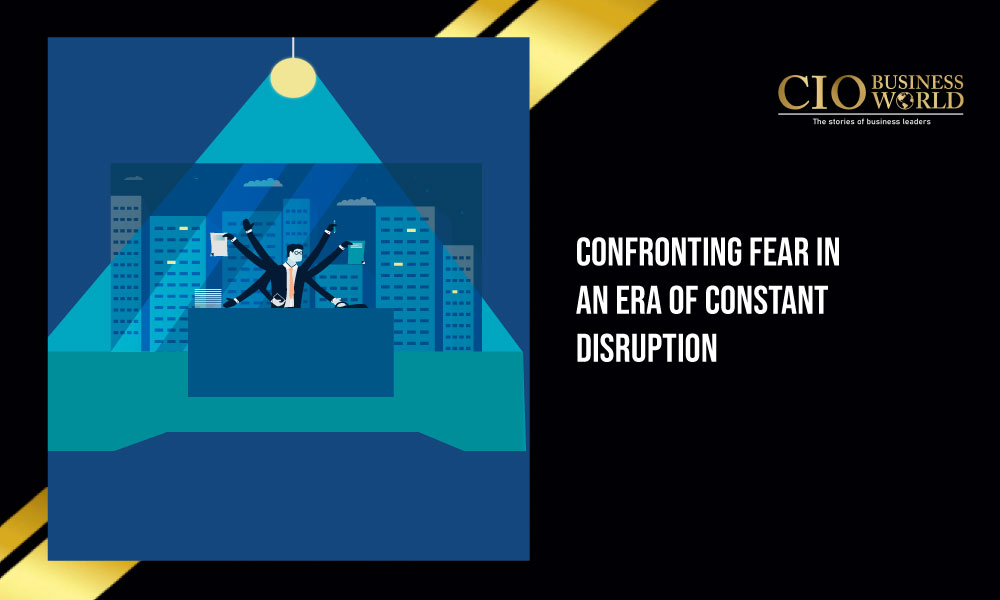
Behind every strategic sourcing decision, every supplier negotiation, and every risk mitigation plan lies an unspoken reality: fear. Fear of disruption. Fear of failure. Fear of making the wrong decision in a world where supply chains are fragile, markets volatile, and expectations relentless. Today’s procurement leaders are not fearless, but they are defined by how they confront fear and lead through it.
The Fear of Disruption
Global procurement operates on shifting ground. Geopolitical tensions, pandemics, climate events, and economic instability have made disruption the norm rather than the exception. One of the greatest fears procurement leaders’ faces is loss of continuity failure, shipments delayed, or materials becoming unavailable without warning.
Instead of denying this fear, effective leaders acknowledge it and plan for it. They redesign supply chains with redundancy, diversify sourcing regions, and invest in real-time visibility tools. Fear becomes a catalyst for preparedness rather than paralysis.
The Fear of Making the Wrong Call
Procurement decisions carry weight. A single supplier selection can affect product quality, regulatory compliance, financial performance, and brand reputation. Leaders often operate with incomplete information, under tight deadlines, knowing the consequences of a misstep can be severe.
This fear sharpens judgment. Procurement leaders strengthen governance frameworks, rely on data-driven insights, and engage cross-functional stakeholders before committing critical decisions. By sharing accountability and grounding choices in analysis, fear is transformed into disciplined decision-making.
The Fear of Cost Versus Value
Procurement leaders frequently stand at the intersection of cost pressure and strategic value. There is fear of pushing back against short-term savings demands when long-term resilience is at stake. Choosing a higher-cost supplier with stronger compliance or reliability can invite scrutiny.
Strong leaders confront this fear by educating leadership teams. They articulate risk in measurable terms and demonstrate how underpricing today can lead to greater losses tomorrow. Fear becomes a driver of strategic dialogue rather than silent compromise.
The Fear of Supplier Dependency
Over-reliance on a small group of suppliers creates vulnerability. Procurement leaders fear concentration risk especially when suppliers control critical materials or intellectual property. Yet transitioning suppliers can be costly and disruptive.
To address this fear, leaders invest in supplier development, dual sourcing strategies, and contract flexibility. They build relationships that balance partnership with protection, ensuring resilience without sacrificing collaboration.
The Fear of Technology Change
Digital transformation has introduced new anxieties. Automation, AI-driven procurement platforms, and analytics tools promise efficiency, but they also challenge traditional processes and skill sets. Leaders fear implementation failure, data inaccuracies, or resistance from teams.
Successful procurement leaders confront this fear through phased adoption and continuous learning. They involve teams early, provide training, and position technology as an enabler rather than a threat. Fear gives way to confidence as teams see technology enhance not to replace their expertise.
The Fear of Compliance and Reputation Risk
Regulatory scrutiny is increasing across industries. Procurement leaders fear compliance failures related to labor practices, environmental standards, or financial reporting. A single violation can damage trust and brand equity.
Rather than reacting defensively, leaders embed compliance into procurement strategy. They strengthen supplier audits, enforce transparency, and maintain rigorous documentation. Fear drives vigilance and ethical leadership.
The Fear of Being Reactive Instead of Strategic
Many procurements leaders fear being reduced to crisis managers constantly reacting instead of shaping outcomes. This fear motivates them to elevate procurement’s role within the organization.
They invest in long-term planning, align procurement with corporate strategy, and claim a seat at the decision-making table. Fear becomes a force that pushes procurement toward strategic relevance.
Leading Through Fear
What distinguishes today’s procurement leaders is not the absence of fear, but their ability to lead through it. They confront uncertainty with preparation, pressure with discipline, and risk with clarity. Fear informs their decisions without controlling them.
In an industry shaped by volatility, procurement leadership is an exercise in courage. By acknowledging fear and responding with strategy, foresight, and integrity, procurement leaders transform vulnerability into strength.
They remind organizations that fear, when faced honestly, becomes one of the most powerful tools for building resilient, future-ready supply chains.