
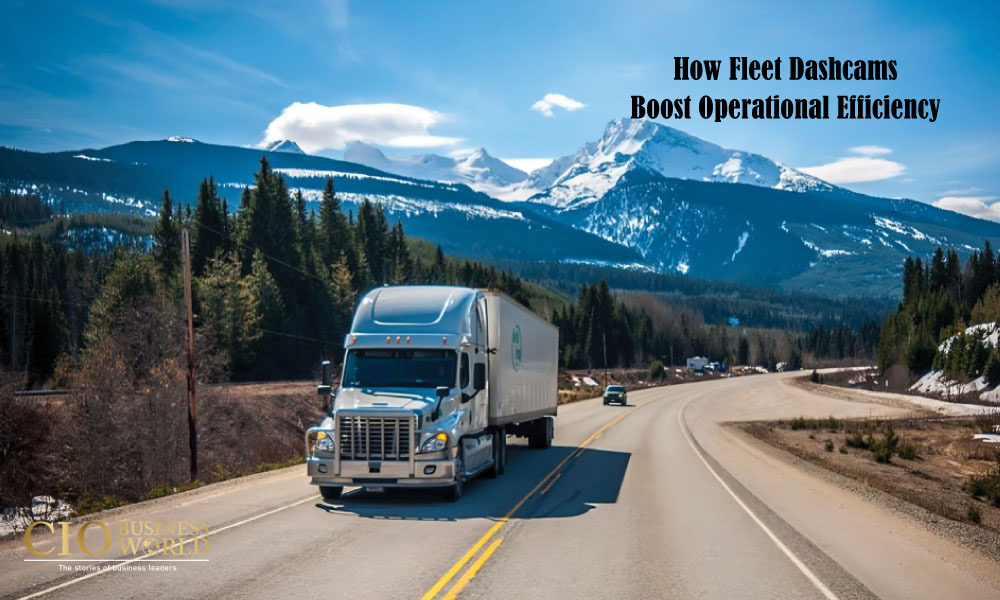
Running a transport operation means tracking many moving parts. Vehicles stay out on highways for hours, making real-time visibility difficult for operational managers. Standard tracking tools show simple coordinates on a digital map but omit the surrounding road context.
Upgrading your vehicle monitoring setup offers a clearer view of daily highway events. Clear video evidence changes how shipping companies handle daily logistics and driver safety.
Protecting Drivers On Open Roads
Road safety is the primary concern for modern transportation businesses. Deploying professional fleet dash cameras provides immediate clarity during unexpected highway incidents. Video logs protect your team from false claims made by third-party drivers. Dash footage captures exact road conditions, weather impacts, and sudden traffic changes.
Liability issues can destroy an organization’s reputation overnight if unsupported by facts. Drivers appreciate knowing their safety on the road gets documented accurately. Clear footage vindicates operators who follow safety protocols perfectly during sudden accidents.
Having video files ready saves legal teams from endless debates with aggressive insurance adjusters. Safe drivers maintain higher morale when management defends them using undeniable video evidence. Dash tools give managers total confidence when sending teams into unpredictable traffic zones.
Reducing Distractions Inside The Vehicle
In-cab behavior impacts delivery timelines and corporate safety scores. Smart monitoring tools alert operators when focus wanders away from the pavement. Companies utilizing smart camera systems see a 60% drop in distracted driving within 90 days. The same data indicates that preventable collisions decrease by 20 to 30% after setup.
Distracted driving risks heavy fines and catastrophic asset losses. Modern visual alerts warn drivers about cell phone use or fatigue before accidents happen. Fleet managers review these automated logs to identify patterns of risky behavior early.
Correcting small mistakes early keeps operational risks remarkably low during long hauls. Preventing a single major accident preserves corporate capital and keeps schedules intact.
Lowering Insurance Costs Across The Fleet
Operating costs mount quickly when collision claims impact corporate insurance policies. Insurers favor businesses that take active steps to mitigate on-road risks. Providers regularly grant discounts to operations that maintain visual records. Several factors lower premium costs across your entire vehicle lineup:
- Verified video proof settles fault disputes in minutes rather than months
- Driver safety scores improve through targeted video coaching sessions
- Fraudulent claims drop significantly when cameras document every angle
- Legal defense fees plummet when clear footage prevents prolonged court battles
Lowering annual premiums frees up capital for expansion and equipment upgrades. Insurance adjusters process filings much faster when clear recordings accompany the initial paperwork.
Managers notice considerable savings within the first year of installing camera systems. Protecting thin profit margins from unpredictable accident costs builds long-term business stability.
Improving Route Accountability And Planning
Dispatchers need accurate data to optimize daily delivery schedules. Knowing why a driver got delayed helps teams adjust future arrival windows. Video logs show whether traffic jams, construction zones, or long loading times caused a bottleneck.
Evaluating Daily Route Delays
Managers can review footage to find better paths through heavy metropolitan zones. Customers appreciate receiving precise updates based on real conditions. Better planning allows dispatch teams to schedule more service stops each afternoon.
Eliminating unauthorized side trips saves precious routing hours and preserves vehicle lifespans. Supervisors cross-reference GPS logs with video captures to verify delivery difficulties at tight loading docks. Clear documentation proves to clients that delays stemmed from warehouse inefficiencies. Operational teams use these insights to streamline dock schedules at busy distribution centers.
Maximizing Fuel Efficiency Across Routes
Fuel usage represents a massive chunk of any logistics budget. Aggressive driving habits, including speeding and rapid acceleration, waste fuel fast. Video monitoring improves fuel efficiency by up to 35%. The tracking setup drops total fuel expenses by 30% while reducing wear on tires and brakes.
Mechanics spend less time fixing avoidable mechanical issues, and drivers alter their driving style when they know performance metrics are under review. Smooth acceleration and steady highway speeds save thousands of gallons of diesel annually. Reducing idle times becomes simpler when managers pinpoint exactly when and where trucks stop. Every minor adjustment to driver behavior aggregates into massive cost reductions across large fleets.
Streamlining Claims Management Processes
Dealing with insurance adjusters demands substantial documentation and time. Traditional accident reporting relies on witness memory, which often fails or conflicts. Outfits using video recorders cut insurance claims by up to 30%.
Quick claims resolution keeps trucks moving. Legal teams settle claims faster when clear video files replace endless paperwork loops. Delayed claims drag down productivity and tie up administrative staff for weeks. Fleet managers send video clips instantly from cloud dashboards to expedite vehicle replacement cycles.
Minimizing administrative overhead keeps office staff focused on revenue-generating logistical tasks. Resolving liability quickly keeps operational momentum high during seasonal peak shipping periods.
Upgrading Driver Coaching Programs
Generic safety meetings rarely change specific bad habits behind the wheel. Tailored coaching helps drivers understand exactly where their driving needs refinement. Real video clips from daily routes turn abstract rules into clear, actionable lessons. Using actual road footage supports drivers in specific ways:
- Operators see exactly how tailgating limits their reaction time
- Clear examples highlight the danger of rolling through blind intersections
- High performers receive recognition for avoiding major highway hazards
- Trainees master defensive driving techniques by reviewing real fleet incidents
Instructors can pinpoint precise habits that require adjustment during weekly reviews. Driver retention improves when employees receive objective feedback. Clear performance benchmarks encourage transparency across the whole organization.
Minimizing Maintenance Costs And Downtime
Hard braking and aggressive cornering strain expensive vehicle components. Regular wear accelerates when operators drive trucks too aggressively. Visual alerts discourage harsh driving, extending the lifespan of engines, transmissions, and brake pads.
Preventing Major Mechanical Failures
Fewer mechanical breakdowns mean vehicles stay productive on their assigned routes. Maintenance teams schedule routine service based on actual usage patterns. Protecting assets from unnecessary strain saves thousands of dollars annually.
Repair shops order parts ahead of time as predictive patterns become clearer through video telematics. Fleet longevity depends on how well operators handle heavy equipment under stressful delivery pressures. Safer driving keeps trucks on the road where they generate profit.
Merging video footage with route data builds a resilient, highly efficient transportation business. Companies protect their staff while driving down unnecessary fuel and maintenance expenses daily.
Investing in high-quality visual tech sets a strong foundation for long-term operational success. Digital records keep transportation companies agile. Securing your assets with reliable technology guarantees smoother workflows for everyone involved. Every mile driven is a source of actionable intelligence for the company.