
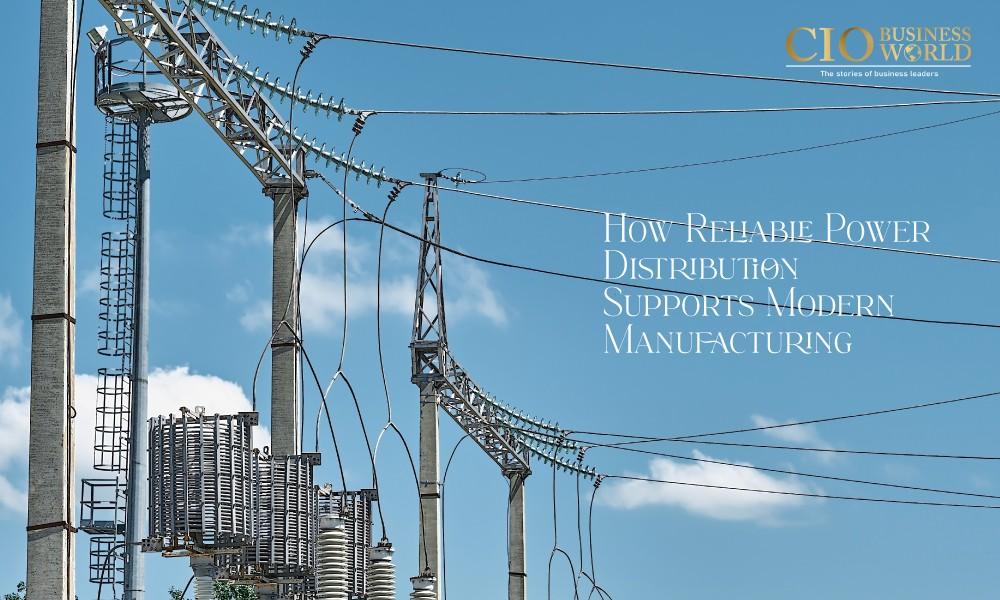
Modern manufacturing facilities across the United States depend on a consistent power supply to keep production lines running, operate machinery, and maintain workplace safety. Even a brief electrical interruption can delay production, affect equipment performance, and increase operating costs. As factories adopt automation and advanced technologies, reliable power distribution has become increasingly important for maintaining efficient operations.
A well-designed electrical distribution system ensures that power reaches different areas of a facility safely and consistently. Choosing suitable electrical components and maintaining them properly can help manufacturers minimize disruptions and support long-term productivity.
Why Reliable Power Matters in Manufacturing
Manufacturing operations depend on electricity for machinery, conveyor systems, robotics, ventilation, compressors, and industrial lighting. An interruption in one area can affect several connected production processes.
Reliable power distribution helps manufacturers:
- Maintain production schedules and reduce unexpected downtime.
- Support automated machinery and connected equipment.
- Protect electrical systems from faults and unsuitable connections.
- Reduce operational disruptions and maintenance expenses.
- Maintain safe and functional working environments.
Consistent power is therefore essential for meeting production targets and maintaining operational efficiency.
Essential Components of Industrial Power Distribution
Manufacturing facilities require suitable electrical components to distribute power safely across machinery, workstations, and production areas. Power cables carry electricity between power sources and connected equipment, while industrial connectors, receptacles, and distribution panels help establish and organize reliable electrical connections.
Suppliers such as Duraline offer specialized products, including generator power cable assemblies, single-pole connectors, and portable distribution equipment. Choosing components with appropriate electrical ratings and environmental protection helps support dependable operations.
Why Durability Matters in Industrial Environments
Electrical components in manufacturing facilities often operate under demanding conditions. Exposure to moisture, dust, chemicals, vibration, and heat can affect equipment performance if products are not designed for the environment.
Manufacturers should consider the following factors when selecting electrical distribution equipment:
- Environmental protection: Choose appropriate weatherproof or watertight equipment for areas exposed to moisture and outdoor conditions.
- Mechanical strength: Look for durable construction that can withstand regular industrial use.
- Electrical ratings: Ensure components meet the voltage and current requirements of connected equipment.
- Connection security: Use suitable connectors to maintain stable electrical connections.
- Application compatibility: Check that equipment is approved for its intended operating environment.
Choosing components based on actual operating conditions can help reduce premature wear, equipment failures, and unnecessary replacement costs.
Supporting Maintenance and Temporary Power Requirements
Manufacturing facilities regularly undergo equipment repairs, upgrades, and production expansions. These activities may require temporary electrical connections without changing the permanent power distribution infrastructure.
Portable distribution equipment can help meet these requirements when selected and installed appropriately.
Common applications include:
- Supplying temporary power during machinery maintenance.
- Supporting equipment installation and facility upgrades.
- Providing electrical connections in temporary work areas.
- Supplying suitable lighting during inspections and repairs.
Planning for temporary power requirements helps maintenance teams complete their work efficiently while limiting disruption to ongoing production activities.
Electrical Safety and Preventive Maintenance
Reliable power distribution also depends on proper electrical safety practices. Damaged insulation, loose connections, unsuitable equipment, and inadequate protection can create hazards for employees and manufacturing facilities.
Manufacturers should establish regular inspection and maintenance procedures to identify potential problems before they cause serious disruptions.
Important safety measures include:
- Inspecting cables, connectors, and electrical equipment for visible damage.
- Ensuring proper grounding and suitable electrical protection.
- Using components with appropriate ratings for their applications.
- Arranging electrical repairs through qualified professionals.
- Replacing damaged or unsuitable equipment promptly.
The U.S. Occupational Safety and Health Administration (OSHA) outlines relevant requirements in its general industry electrical safety regulations. Following applicable electrical safety standards helps manufacturers protect workers and maintain dependable operations.
Planning for Future Manufacturing Needs
As manufacturing facilities introduce advanced machinery and automation, their electrical requirements may change. Planning ahead helps businesses avoid infrastructure limitations when expanding production or upgrading equipment.
Facility managers should regularly:
- Review the power requirements of existing and planned machinery.
- Assess the capacity and condition of electrical distribution systems.
- Identify areas that may need additional power connections.
- Evaluate temporary and backup power requirements.
- Schedule preventive maintenance and consult qualified electrical professionals.
A flexible electrical infrastructure makes it easier to accommodate operational changes without unnecessary disruption.
The Verdict
Reliable power distribution plays an important role in modern manufacturing by supporting machinery, automation, workplace safety, and production continuity. Choosing durable electrical components, maintaining connections, and planning for future requirements can help manufacturers reduce downtime and manage operating costs. As industrial operations become more advanced, dependable electrical infrastructure will remain essential for maintaining productive and resilient manufacturing facilities.
Frequently Asked Questions
- Why is reliable power distribution important in manufacturing?
It supports continuous production, protects equipment, and helps reduce unexpected operational interruptions.
- What components are used in industrial power distribution?
Common components include power cables, industrial connectors, receptacles, distribution panels, and protective devices.
- How can manufacturers prevent electrical equipment failures?
Regular inspections, preventive maintenance, and selecting appropriately rated components can help prevent failures.
- Why are industrial power cables important?
They deliver electricity to machinery and equipment while meeting specific electrical and environmental requirements.
- What is the purpose of portable power distribution equipment?
It provides temporary electrical connections for maintenance, equipment installation, and other industrial activities.