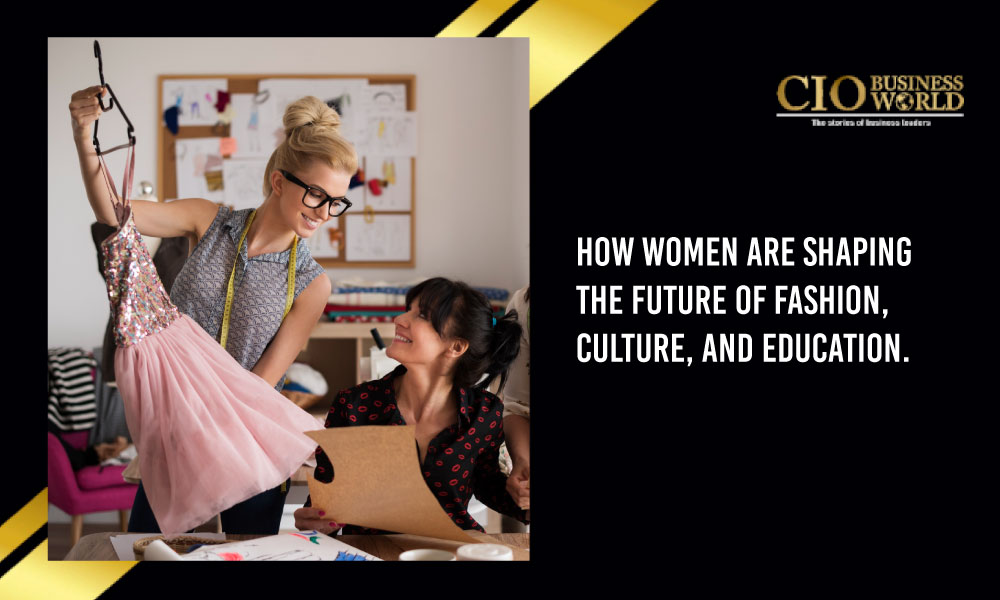
Women are driving measurable transformation across industries once defined by rigid norms and legacy systems. Their influence is reshaping the strategic direction of fashion, redefining cultural narratives, and modernizing educational ecosystems. What was once considered peripheral “soft influence” has now become a core driver of innovation, consumer engagement, and organizational relevance. Today, women are not just participating in change they are leading it. And their leadership is producing a structural shift with long-term business, societal, and economic implications.
1. Fashion as a Strategic Platform for Identity and Market Influence
Women’s leadership in fashion is no longer limited to design aesthetics. It has become a strategic force influencing consumer behaviour, brand trust, and global market trends.
Key shifts include:
- Heritage-driven innovation: Women are integrating cultural identity into contemporary design, creating products that resonate across generations and markets.
- Inclusive representation: The expansion of size diversity, body-positive campaigns, and realistic beauty standards is reshaping brand loyalty and customer acquisition.
- Sustainability leadership: Women-led brands are driving ethical production, circular fashion models, and transparency factors increasingly influencing buyer decisions.
This evolution moves fashion beyond surface-level expression. It positions women as strategic leaders who align identity, culture, and consumer expectations in ways that strengthen brand value.
2. Cultural Evolution Powered by Women’s Leadership
Women are reshaping cultural ecosystems through thought leadership, storytelling, organizational influence, and community engagement. Their impact is particularly visible in how culture is defined, communicated, and sustained.
Business-relevant cultural shifts include:
- Narrative ownership: Women are reframing outdated cultural norms, creating new frameworks for representation, equity, and inclusion.
- Community-based influence: Their leadership strengthens trust within teams and organizations, increasing retention and employee engagement.
- Cross-sector impact: Women bring human-centered thinking into corporate spaces, reshaping leadership models, communication styles, and organizational culture.
This cultural realignment benefits organizations seeking authenticity, resilience, and relevance in rapidly shifting markets.
3. Education as an Engine for Workforce Evolution
Women in education whether in classrooms, corporate learning ecosystems, or community programs are redefining how people learn, collaborate, and prepare for future industries.
Their influence is leading to:
- Human-centred learning environments: Emphasis on emotional intelligence, collaboration, and communication skills identified as top workforce priorities.
- Expanded definitions of intelligence and success: Moving beyond memorization and standardized performance toward creativity, problem-solving, and adaptability.
- Evolving mentorship structures: Women educators are building learning cultures that support diverse voices and encourage long-term skill development.
This shift creates stronger talent pipelines and more adaptive future workforces.
4. The Integrated Impact: A Return to Human-Centered Leadership
The convergence of women’s influence in fashion, culture, and education signals a collective homecoming to leadership that is:
- grounded in clarity
- aligned with human behaviour
- capable of navigating complexity
- responsive to cultural and market shifts
Women leaders bring forward a multidimensional perspective — one that blends identity, expression, strategy, and community. This integration positions them as essential drivers of innovation across industries.
5. A Strategic Outlook: Where Growth Is Heading
As organizations look to the future, the Threads of Change movement highlights several business opportunities:
- Authenticity as a competitive advantage: Brands that reflect lived experiences build stronger trust and loyalty.
- Intersectional leadership: Diverse leadership teams outperform homogeneous ones across decision-making, creativity, and financial performance.
- Cultural intelligence as strategy: Understanding evolving cultural narratives is now a business necessity, not an HR initiative.
- Human-first systems: Leaders who integrate empathy with structure create more resilient organizations.
Women are not only influencing the direction of industries they are rewiring them for long-term sustainability, innovation, and relevance.