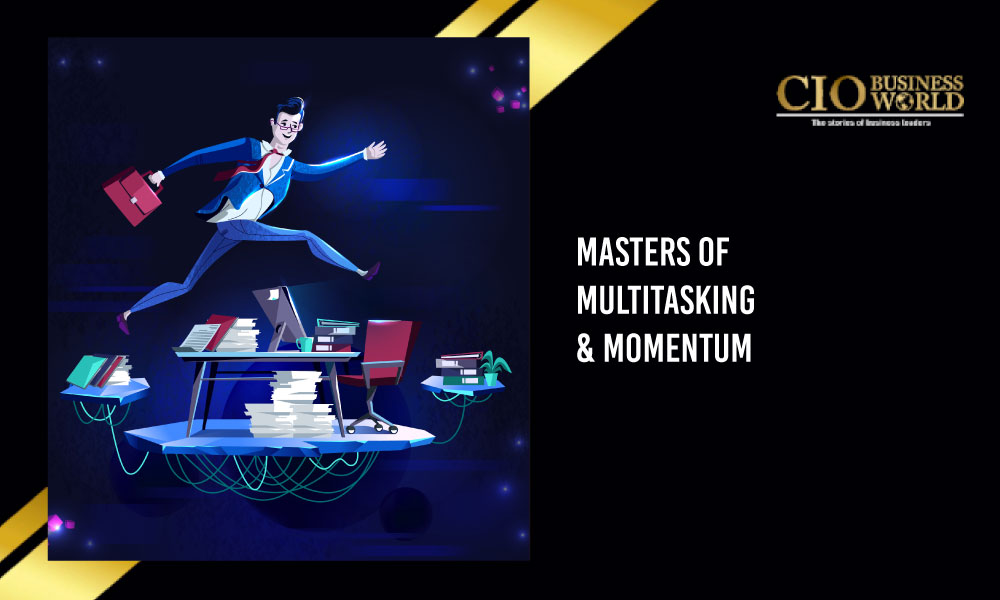
In today’s fast-paced professional world, managers are no longer defined by traditional responsibilities like delegation, supervision, or periodic performance reviews. Instead, they have evolved into the Masters of Multitasking & Momentum individuals who juggle diverse roles while keeping teams aligned, motivated, and continuously moving toward organizational goals. Their influence extends far beyond task management; they serve as catalysts who convert uncertainty into progress, complexity into clarity, and challenges into opportunities for innovation.
At the heart of this shift lies the rapidly changing nature of work. Globalization, digital transformation, remote collaboration tools, and heightened customer expectations have all intensified the pace at which businesses must operate. In such an environment, the modern manager must develop a unique blend of strategic thinking, emotional intelligence, problem-solving, and the ability to make swift, informed decisions. The combination of these skills allows them to steer teams toward momentum even when circumstances threaten to slow them down.
Balancing Roles in a Dynamic Workspace
One defining characteristic of modern managers is their ability to multitask without compromising quality. From leading cross-functional projects to managing team well-being, analyzing performance data, overseeing budgets, and adopting new technologies, their daily work encompasses a wide range of responsibilities. Yet, they are expected to pivot effortlessly between these roles, ensuring that every area receives the attention it deserves.
This capacity for multitasking is not about doing everything at once; rather, it is about prioritization and fluid transitions. Effective managers understand how to identify which tasks require immediate focus and which can be delegated or scheduled for later. This mindset prevents burnout, both for themselves and their teams, while maintaining consistent productivity. Their strength lies not just in handling many responsibilities, but in doing so with grace, efficiency, and strategic intent.
Driving Momentum Through Leadership
Momentum within a team does not arise by chance, it is built intentionally by managers who know how to inspire, guide, and empower others. These leaders create environments where progress feels natural and continuous. They set clear goals, communicate expectations, and ensure that everyone understands how their individual contributions fit into the organization’s broader vision.
A key element of sustaining momentum is effective communication. Modern managers excel at delivering information clearly, giving constructive feedback, and fostering open dialogue. They recognize that momentum thrives when team members feel supported and informed. Whether the team is working remotely, hybrid, or on-site, managers use technology and collaboration tools to maintain connectivity and shared purpose.
Moreover, they are champions of adaptability. When changes occur whether technological, market-driven, or organizational, these leaders do not resist. Instead, they embrace new directions and model resilience. Their optimistic, solution-oriented mindset encourages teams to approach change with enthusiasm rather than fear.
Emotional Intelligence: The Power Behind People-Centered Management
While multitasking and strategic planning are essential, emotional intelligence is what separates good managers from exceptional ones. Understanding human behavior, recognizing stress patterns, and supporting individual growth enable managers to build strong, cohesive teams. They know when to push for performance and when to step back and provide space for learning and recovery.
Empathy has become a critical managerial skill. Employees today value leaders who listen, acknowledge their challenges, and provide encouragement. Managers who practice empathy cultivate trust an essential ingredient for long-term momentum. With trust, teams take initiative, embrace responsibility, and innovate freely.
Innovation as a Momentum Multiplier
Today’s managers are also innovators. They actively seek opportunities to improve processes, adopt new tools, and eliminate inefficiencies. Rather than accepting “the way things have always been done,” they challenge outdated systems and explore better alternatives. This mindset ensures that teams remain competitive and future ready.
Managers who embrace innovation empower teams to experiment, take calculated risks, and develop creative solutions. They create safe spaces where ideas can be tested, failures can be learned from, and successes can be celebrated. Innovation fuels momentum, and momentum, in turn, fuels further innovational cycle modern managers know how to sustain.
Creating Workplaces That Thrive, Not Just Survive
The modern manager’s role extends beyond operational tasks; it includes shaping a positive, growth-oriented culture. They work to create environments where individuals feel valued, motivated, and aligned with the organization’s mission. This involves promoting balance of work-life, encouraging continuous learning, and recognizing achievements in meaningful ways.
By championing personal and professional development, managers ensure that teams not only meet expectations but exceed them. They understand that momentum is stronger when every team member feels capable, confident, and inspired.
Conclusion: The New Face of Leadership
The title “Masters of Multitasking & Momentum” encapsulates the essence of modern management. These leaders are adaptable, emotionally intelligent, innovative, and strategically driven. They coordinate multiple responsibilities while simultaneously propelling teams forward, maintaining productivity, and inspiring excellence. In an era where change is constant and expectations are high; the modern manager stands as the anchor of stability and the engine of progress.
Today’s organizations thrive because of these leaders, individuals who transform complexity into momentum and everyday challenges into stepping stones for success.