
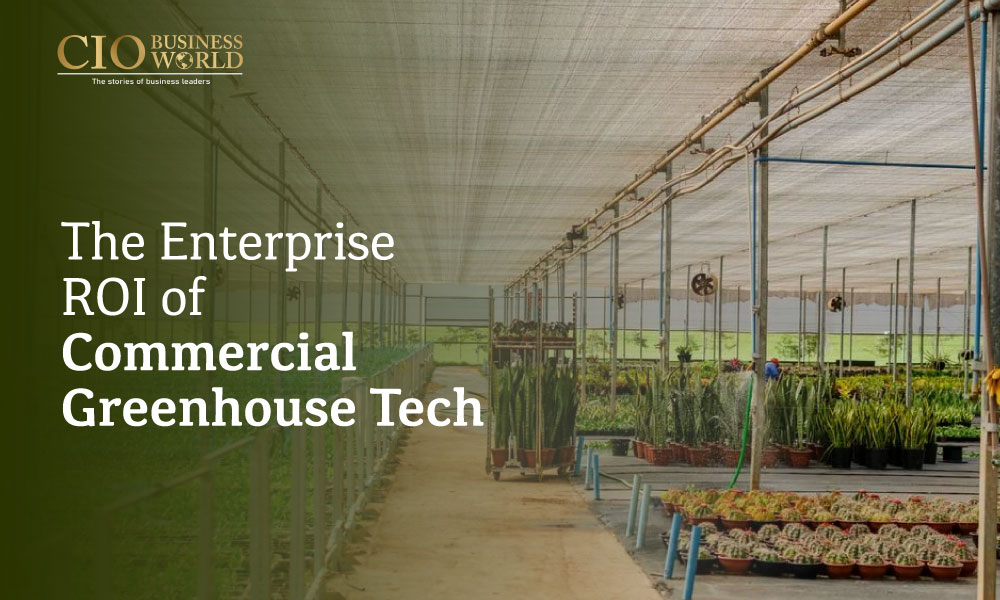
Commercial agricultural cultivation requires substantial capital investments up front. Large-scale growing operations must look closely at how modern systems impact long-term corporate profits. Making informed choices about high-tech farming facilities helps secure predictable revenue streams.
Upgrading your industrial infrastructure protects fragile crops from erratic weather patterns. Smart automation features stabilize annual yield numbers by controlling internal growth conditions. These advanced systems provide a reliable pathway to steady market expansion.
Designing Smart Infrastructure
Selecting structural setups dictates your baseline utility spending for decades. Choosing top-tier configurations like Rimol Greenhouse Systems offers growers solid weather protection and a crucial advantage across shifting seasons. This foundational setup minimizes structural damage risks during extreme weather events.
Stronger steel frames prevent unexpected crop losses from heavy winter snow loads. Secure multi-span designs allow commercial operations to scale up their production footprints smoothly. Heavy-duty materials protect delicate plants from high wind speeds.
Investing in tough builds eliminates frequent maintenance costs over the years. Robust structures form the bedrock of predictable agricultural business models. Upfront capital spending reduces emergency repair expenses down the road.
Analyzing Resource Conservation
Efficient operations track every drop of water and kilowatt used inside the facility. Modern facilities manage resource inputs through precise delivery methods that save money:
- Drip lines supply moisture directly to plant roots to minimize waste.
- Recycling systems capture excess runoff for future irrigation cycles.
- Thermal screens retain heat during cold night shifts.
Automated shading systems reduce cooling costs during peak summer heat periods. Smart resource management cuts down monthly utility expenditures significantly across every quadrant. Lower consumption rates protect the business from volatile energy price spikes.
Lower overhead expenses mean higher profit margins for each harvest cycle. Saving resources secures long-term financial viability for expanding corporate enterprises. Efficient utility use remains a major driver of sustainable financial gains.
Capital Expenditure Versus Operational Returns
Initial setup fees for large operations can seem quite daunting to investors. A market report shared that over 540,000 hectares of greenhouse cultivation area existed globally. Plastic structures made up 57% of those setups.
Glass designs accounted for roughly 12% of the global footprint. Enterprise leaders weigh these material options to balance durability against initial spending requirements. Choosing the right material dictates long-term maintenance cycles.
Cheaper coverings lower setup prices but demand frequent replacement labor. Premium choices secure long-term stability regardless of higher initial price tags. Savvy companies balance upfront costs against future labor demands.
Boosting Production Yields
Advanced tracking tools lift harvesting volumes far above traditional farming methods. Data from an industry buyer guide indicates that high-tech greenhouse systems generate 25-40% higher yields. This massive growth transforms regular profit expectations for corporate facilities.
The same guide mentions these systems slash labor costs by 30-50%. Such operational savings yield a positive return within 4-6 years for crops valued at over $15 per kilogram. Faster payback periods please corporate stakeholders.
Higher production speeds satisfy growing grocery contract demands year-round. Faster crop turns translate directly into more annual revenue opportunities. Increased volume allows enterprises to capture larger market shares.
Integrating Climate Automation
Computerized controls handle ventilation adjustments without human error. An online technical assessment notes that automation increases initial investment but reduces labor costs by 15-30%. This shift allows managers to reallocate workers to specialized technical tasks.
The technical study highlights how automated adjustments improve production consistency. Steady growth cycles generate predictable supply chains for commercial buyers. Elimination of human error protects delicate crop varieties from sudden damage.
Stopping climate swings prevents sudden disease outbreaks among delicate crops. Uniform product quality keeps wholesale buyers coming back every single season. Consistent output builds strong brand trust within the regional supply network.
Streamlining Harvesting Workflows
Ergonomic layouts speed up daily plant handling routines for greenhouse staff. Moving plants on rolling benches shortens the time required for harvesting. Efficient spacing allows workers to manage more plants per square foot.
Employees spend fewer hours walking across vast facility floors every day. Well-designed paths keep the harvested product moving toward packing stations quickly. Shorter transport times maintain the freshness of delicate leafy greens.
Optimized movement cuts down on product bruising during internal transport. Smooth workflows keep labor costs low while protecting delicate food items. Better labor efficiency boosts the total return on facility design choices.
Managing Risk and Financial Safety
Enclosed environments isolate crops from unpredictable outdoor pests and severe blights. Shielding plants from external threats protects large investments from total wipeouts. Risk mitigation remains a top priority for corporate agricultural directors.
Insurance providers offer lower premium rates for controlled environments. Strong safety features convince commercial lenders to back large expansion projects. Reduced risk profiles make the entire business model more attractive to conservative investors.
Climate control guarantees delivery timelines even during severe regional droughts. Reliable output secures your brand reputation among competitive retail partners. Consistent performance establishes a permanent competitive advantage in the industry.
Adopting automated cultivation systems transforms modern enterprise farming models completely. The upfront expenses turn into reliable financial security across several seasons. Smart technology implementation simplifies resource management across massive growing operations.
Smart tech investments keep commercial growers ahead of major market shifts. Consistent yields secure a strong position in a competitive global market. Data-driven infrastructure choices secure profitability for the next generation of agriculture.