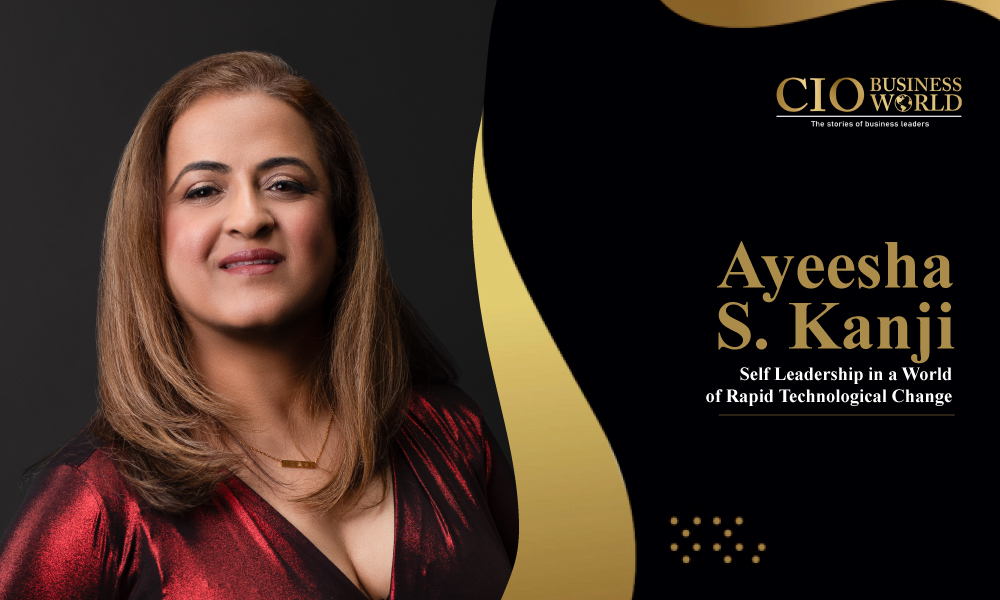

Admired women are often placed on pedestals, celebrated for their achievements, resilience, and ability to break barriers. They are hailed as icons of progress, their names woven into conversations about leadership, culture, and change. Yet, admiration does not always equal understanding. Despite their brilliance, many of these women remain distant figures, unable to truly connect with the people they seek to inspire.
Why does this happen? Is it the inevitable result of fame, success, and power? Or is there a deeper disconnect—one that reveals the limitations of influence when it fails to grasp the reality of those it seeks to uplift?
The Disconnect Between Power and People
Some women rise to prominence in fields historically dominated by men, breaking glass ceilings with sheer force of will. They are celebrated as pioneers, yet their success often comes at a cost: a growing distance from the very people they claim to represent.
Once they reach the top, their perspective shifts. They advocate for empowerment but sometimes from a place of privilege, unaware of the daily struggles of ordinary women. They speak of success as if it is simply a matter of effort and determination, overlooking the systemic barriers that keep countless others from following the same path.
What happens when inspiration becomes an unreachable ideal? When the story of triumph no longer feels relatable, it loses its power. Many admired women fail to recognize that their audience needs more than just success stories—they need real, tangible solutions.
The Illusion of Cultural Influence
Women in the arts, entertainment, and media are often seen as cultural forces, shaping conversations and setting trends. Yet, in their pursuit of influence, they sometimes misjudge what people actually need.
They speak about empowerment, but through carefully curated images and messages that often reinforce unrealistic standards. They challenge norms, but sometimes only in ways that are commercially safe. Their activism, while loud, can feel selective—highlighting popular causes while ignoring uncomfortable ones.
And then there is the problem of relatability. Many of these women build brands around the idea of being “just like us,” but their lifestyles, choices, and opportunities tell a different story. They push messages of self-love while promoting unattainable ideals. They talk about struggle while living in privilege. Their words sound powerful, but their actions sometimes reveal a lack of true understanding.
The Empty Promises of Change
Women in leadership—whether in business, politics, or activism—are often seen as symbols of progress. They are expected to champion the rights of others, to fight for equality, and to bring real change. But leadership without connection is simply rhetoric.
Some admired women enter these spaces with good intentions but fail to listen. They make bold promises, but their actions do not always follow through. They claim to represent the people, yet they remain surrounded by exclusivity, power, and privilege. The gap between their world and reality grows wider, and their words begin to lose weight.
This is not to say that these women lack intelligence or ambition. Rather, it is a reflection of how admiration can create an echo chamber—one where applause drowns out constructive criticism, and where success becomes more about personal achievement than collective progress.
The Burden of Admiration
Perhaps the real issue lies not with these women alone, but with the way society elevates individuals to impossible standards. We admire them not just for what they do, but for what we want them to represent. We expect them to be flawless role models, to embody every hope and frustration we have, and to carry the weight of entire movements.
But admiration is not the same as understanding. We celebrate their victories without questioning their missteps. We put them on pedestals without asking if they ever truly see the people beneath them. And in doing so, we create a cycle where influence becomes performance—powerful in appearance but lacking real connection.
The Need for Genuine Leadership
What the world needs is not just admired women, but women who listen, who learn, and who evolve. Influence should not be measured by fame or wealth but by the ability to connect with real people and make meaningful change.
True leadership is not about being worshipped—it is about understanding. And perhaps the most admirable women are not those who seek to inspire, but those who take the time to listen first.