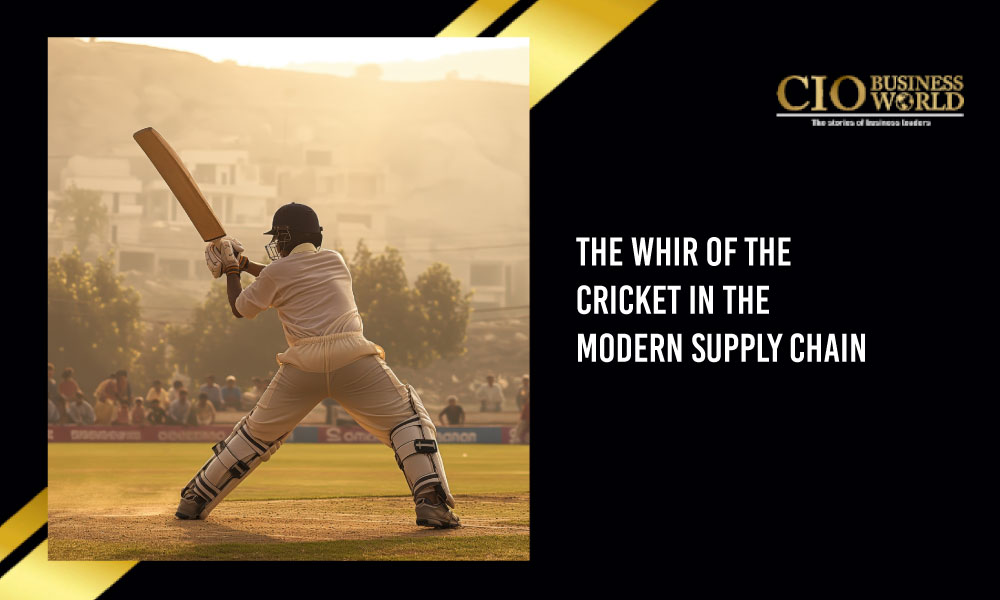
In the world of business, the hum of activity often goes unnoticed. Decisions are made, contracts signed, goods move seamlessly from supplier to consumer but behind this orchestration lies a symphony of strategy, vigilance, and foresight. For procurement leaders, this hum is more than background noise; it is the very pulse of organizational success. Like the persistent whir of a cricket on a warm evening, the work of these leaders is subtle yet vital, providing rhythm, alertness, and continuity in an ever-changing landscape.
Procurement, at its core, is the art and science of sourcing the right goods and services at the right time, for the right price, and in alignment with organizational goals. Yet, in today’s hyper-connected, volatile, and competitive environment, the role of procurement leaders has evolved far beyond simple transaction management. They are no longer just buyers; they are strategists, negotiators, risk managers, and sustainability advocates. Like a cricket song signaling the subtle shifts in its environment, these leaders sense market trends, anticipate supply chain disruptions, and adapt procurement strategies in real time.
One of the defining characteristics of modern procurement leadership is strategic foresight. In a world where supply chains can be disrupted by geopolitical tensions, natural disasters, or sudden changes in consumer behavior, reactive strategies are no longer sufficient. Procurement leaders must cultivate a predictive mindset. They study market data, supplier health metrics, and economic indicators, creating contingency plans that can be activated at a moment’s notice. Just as a cricket chirp changes with temperature and time, alert procurement leaders adjust their strategies in response to the subtle signals of the market.
Collaboration is another critical facet. Procurement does not operate in isolation is intertwined with operations, finance, marketing, and product development. Effective leaders create bridges between these functions, ensuring that procurement decisions support broader organizational objectives. They are facilitators and connectors, much like the cricket whose presence unites the sounds of the night into a coherent rhythm. By fostering open communication and aligning stakeholders, procurement leaders enable smoother workflows, faster decision-making, and stronger supplier relationships.
Technology, too, plays a defining role in the modern procurement landscape. Automation, artificial intelligence, and data analytics have transformed how procurement leaders identify opportunities, assess risk, and optimize supplier performance. Predictive analytics can forecast demand spikes, AI-driven platforms can negotiate terms and monitor compliance, and blockchain technologies provide transparency and traceability. Technology accelerates efficiency, the human element remains irreplaceable. The most successful procurement leaders balance analytical insights with intuition, judgment, and ethical consideration. Their decisions resonate with the same steady rhythm as the cricket’s song predictable in its reliability but nuanced in its expression.
Sustainability and social responsibility have also become central to procurement leadership. Organizations are increasingly judged not only by the quality and cost of their goods and services but by the environmental and ethical footprint of their supply chains. Leaders in procurement are now advocates for green sourcing, fair labor practices, and supplier diversity. They ensure that every purchase aligns with the organization’s broader values, sending ripples of positive impact across communities and ecosystems. Like the cricket’s sound blending seamlessly with its surroundings, sustainable procurement integrates seamlessly into the organization’s mission, adding depth and resonance to its impact.
Risk management, however, remains one of the most challenging aspects of procurement leadership. Global supply chains are intricate and fragile, often spanning multiple countries and regulatory environments. A single disruption be it a factory shutdown, political unrest, or logistical failure can ripple across the organization, affecting production, customer satisfaction, and profitability. Procurement leaders act as vigilant sentinels, monitoring supplier performance, geopolitical developments, and economic fluctuations. Their vigilance ensures continuity, much like the cricket’s persistent whir alerts to subtle changes in its environment.
Finally, the culture of learning and development defines the next generation of procurement leaders. The field demands continuous upskilling in negotiation, digital tools, sustainability practices, and strategic thinking. Leaders invest in their teams, nurturing talent that can navigate complexity, embrace innovation, and uphold ethical standards. In doing so, they create a self-reinforcing cycle of excellence where each leader’s foresight and adaptability set the tone for the organization, just as the rhythmic chirping of crickets sets the cadence of the night.
In conclusion, procurement leadership today is far more than a transactional function. It is a strategic, dynamic, and vigilant discipline, blending data-driven insight with human judgment, ethical consideration, and cross-functional collaboration. The metaphorical whir of the cricket embodies this role perfectly: subtle, continuous, attentive, and harmonizing the surrounding elements into a coherent whole. As organizations navigate increasingly complex and uncertain markets, procurement leaders remain the steady pulse, the quiet signal, and the guiding rhythm that ensures success, resilience, and sustainable growth.