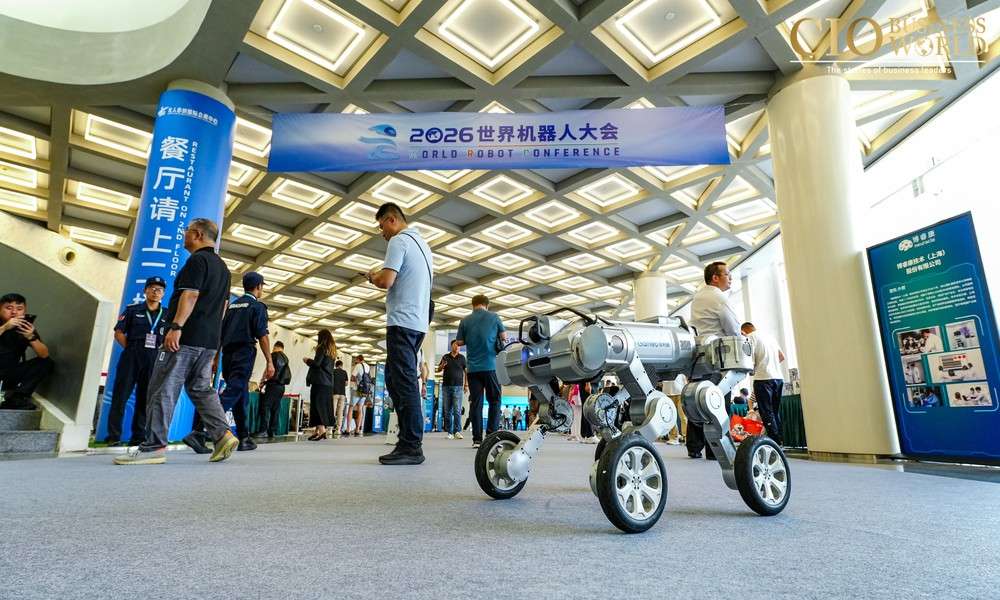
Japan is quickly establishing itself as a major player in the field of artificial intelligence by fusing cutting-edge corporate innovation and research with its longstanding advantages in manufacturing, robotics, and telecommunications. Japan’s digital ecosystem is creating new opportunities, redefining how businesses function and how networks handle data at the edge, from national AI policy frameworks to innovative edge networking applications. In this section, we examine Japan’s changing position in AI, highlight important players including leading Japanese AI businesses like inventive AI Inc. Japan, and provide examples of how AI is already changing industries across the country.
Japan’s Strategic AI Vision: Investment and Policy
Through policy and investment pledges, the Japanese government and business leaders have made a conscious effort to promote artificial intelligence in the country. Public-private cooperation now prioritizes AI adoption across industries, human-centered concepts, and economic growth strategies aimed at addressing labor shortages and societal issues like an aging population, building on methods developed earlier in the decade.
Concurrently, Japan’s AI ecosystem has received assistance from other countries. For instance, a significant $10 billion investment by Microsoft is set aside for cybersecurity, AI infrastructure, and skill development through 2029; this action strengthens Japan’s standing as a key hub for cutting-edge technologies.
This combination of encouraging legislation and increased foreign investment creates a favorable environment for Japanese AI firms to invest in, allowing enterprises and start-ups to innovate swiftly.
Leading Forces: Leading AI Firms Promoting Innovation
Japan’s AI scene combines rapidly growing pioneers with well-established multinationals. Among Japan’s leading AI firms are:
- SoftBank Group: At the intersection of robotics, telecommunications, and next-generation AI infrastructure, SoftBank is a significant investor in AI projects. The business has supported initiatives and cooperative ventures that use AI in digital infrastructure and enterprises.
- While expanding the optical and photonics networks required for high-speed edge and cloud AI computing, NTT Corporation advances domestic AI and LLM research.
- Fujitsu and Toyota are leading companies that are incorporating AI into robotics, mobility solutions, and industrial systems, influencing how AI enhances both digital and physical systems.
- Sakana AI is a Tokyo-based firm that specializes in collective intelligence and deep learning research. It has achieved significant valuations and worldwide collaboration, making it a rising star among innovative AI Inc. Japan enterprises.
Japan’s AI Startups: Pioneering Innovation
- Particularly in areas like networked AI and intelligent picture analysis, Japan’s startup scene is making a substantial contribution to cutting-edge AI and edge networking innovations:
- AWL Corporation: Based in Hokkaido, AWL expands Japan’s capabilities in real-time machine perception and worldwide deployment by specializing in edge AI and visual analytics.
AI.accelerator Programs: For up-and-coming AI businesses with the potential to have a worldwide effect, domestic accelerators offer structured funding, industry introductions, and coaching. - Japan provides a thriving environment for AI firms to flourish because of the synergy between startups and larger businesses, particularly as edge intelligence becomes essential to industries like smart infrastructure and automotive.
AI Examples in Japan: Practical Uses
In Japan, AI is more than just theory; its uses are evident in both the public and private sectors:
- Manufacturing and Robotics: AI algorithms are improving machine coordination and production lines, enabling manufacturers to increase safety compliance, increase productivity, and lessen labor strain.
- Telecom and Edge Networks: Japan is investigating next-generation network intelligence that can handle data at the edge, lowering latency and enabling smarter IoT ecosystems, while companies like NTT are developing AI-enhanced networking solutions.
- Enterprise Productivity Tools: Businesses are using AI for automation, data analysis, and decision assistance, demonstrating that AI applications in Japan go well beyond conventional robots to improve competitiveness.
The Path Ahead: Opportunity and Innovation Collide
A shift in artificial intelligence in Japan is indicated by the country’s strategic combination of international investment alliances, policy support, and domestic AI talent. Edge networking and enterprise AI applications are expected to carve out new market niches as Japanese AI startups continue to grow, potentially establishing Japan as a central hub for worldwide innovation.
Read our Latest Interview with Petro Richard Kostiv