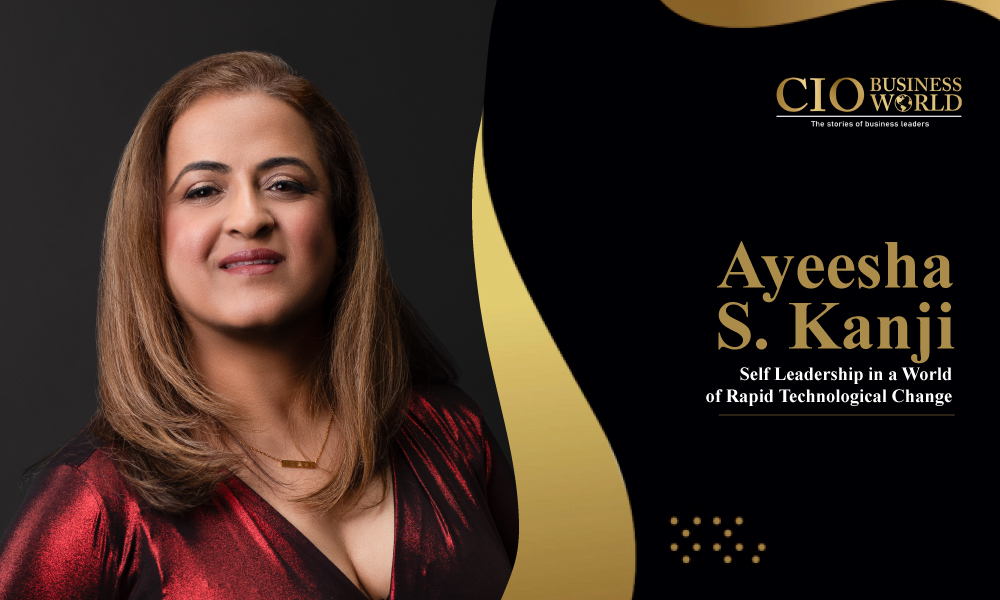
We live in a world where change can feel as though it is moving at the speed of light. Artificial intelligence, robotics, and advances in computing are prompting us to rethink how we work and live. As we look for ways to keep up, I believe we need to ask another question: how do we lead ourselves through all this change with awareness and compassion?
Technology is woven into our working lives. We turn to it to finish tasks, manage projects, and make better use of our time. Yet even with these tools, many of us still feel there are not enough hours in the day. We may be getting more done, but are we taking time to think about what we are doing and why?
For me, this is where self-leadership begins. Before we consider how to guide a team or help a company adapt, we need to notice our own habits, assumptions, and responses to change. That includes being honest about what we know, what we are still learning, and when we need to pause.
I am still learning how to use AI. I do not pretend to know everything about it, because tomorrow there will be something new. People who teach prompt engineering or advise on different models have valuable expertise, but that does not mean the rest of us should feel inadequate. We can learn from them while continuing to exercise our own judgement.
I sometimes ask myself what would happen if the tools we depend on suddenly stopped working. How would we complete our work? Would we reach for pen and paper? The question makes me reflect on how much of our thinking we are willing to hand over, and whether we are continuing to practise the skills we would need without those tools.
I belong to a generation that built careers and solved problems long before today’s AI tools became part of everyday work. I am proud of that experience and grateful to have witnessed so much technological change. It reminds me that our ability to reason, learn, and adapt has value. Those abilities deserve continued attention as we explore new ways of working.
Concerns about jobs are understandable. Alongside those concerns, we should ask how AI may change our responsibilities and where human judgement will matter most. What will be asked of us as leaders, colleagues, and decision-makers? How can we use the time a tool saves to give more attention to the people and decisions that need us?
AI can help us complete tasks more quickly and organise work across projects. But we remain responsible for the work we produce. Using ChatGPT, Claude, Gemini, or another tool does not remove the need to question an answer, consider its context, and decide whether it is appropriate. We should be careful not to confuse a polished response with a sound decision.
Two books have helped me think about these questions. The first is Think for Yourself: Restoring Common Sense in an Age of Experts and Artificial Intelligence by Vikram Mansharamani. The second is The AI Dilemma: 7 Principles for Responsible Technology by Juliette Powell and Art Kleiner. They are among the most valuable books I have read on this subject, and they have reinforced my belief in independent thinking and responsible technology use.
As technology keeps challenging us to learn more, I also believe we need to bring compassion to that learning. We cannot expect ourselves to master every new tool immediately. There will always be another update or approach to understand. Acknowledging that we are still learning allows us to ask questions and build confidence without pretending to have all the answers.
My background in learning and development has shown me the importance of giving people opportunities to grow. Companies should make room for employees to learn how these tools relate to their work. That means providing time, support, and guidance on responsible use, rather than simply expecting everyone to keep pace on their own. People need opportunities to practise and ask questions without feeling embarrassed about what they do not yet know.
For individuals, self-leadership can start with a pause before reaching for a tool. What am I trying to accomplish? What do I already think about this? Where would assistance be useful, and what do I need to check myself? These questions can help us use technology with greater intention while keeping our own judgement involved. Taking a moment to reflect can be a useful part of the task, even when we are pressed for time.
We owe it to ourselves to keep learning, but we also owe it to ourselves to keep thinking. As we navigate a rapidly changing world, I hope we remember the value of our own minds and treat ourselves with patience along the way. Before we lead someone else through change, we need to give that same care and attention to how we lead ourselves.
Visit latest Edition: Most Trusted Venture Capital and Startup Advisory Solution Providers