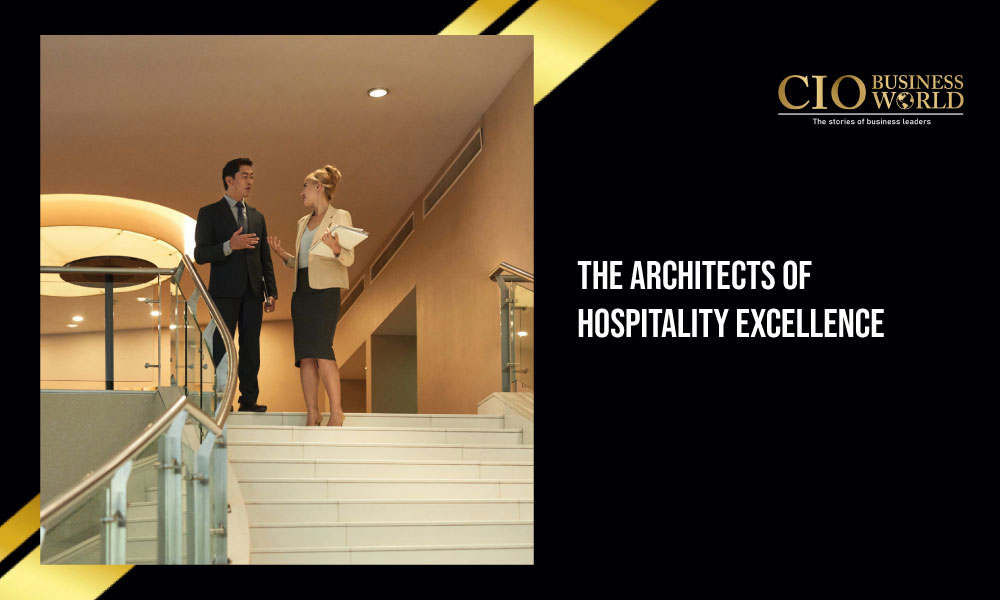
Behind every memorable hotel stay, flawless event, exceptional dining experience, and seamless guest journey lies a dedicated team of professionals working tirelessly to deliver excellence. These individuals are the true architects of hospitality excellence—visionaries, leaders, managers, and service professionals who transform ordinary interactions into extraordinary experiences. Their work often goes unnoticed, yet their impact is felt in every smile, every positive review, and every guest who chooses to return.
Hospitality is often described as the business of people. While infrastructure, technology, and luxury amenities contribute to a guest’s experience, it is ultimately the human element that defines success. Hospitality professionals are responsible for creating environments where guests feel welcomed, valued, and cared for. They combine operational expertise with emotional intelligence to deliver experiences that leave lasting impressions.
The architects of hospitality excellence understand that success is built upon a strong foundation of service. Service is not merely a task to be completed; it is a commitment to understanding and exceeding guest expectations. Whether welcoming visitors at the front desk, managing housekeeping operations, coordinating large-scale events, or leading hospitality organizations, these professionals place the guest at the center of every decision.
Excellence in hospitality does not happen by chance. It is carefully designed, planned, and executed. Hospitality leaders spend countless hours developing service standards, training teams, improving operational processes, and ensuring quality across every touchpoint. Their role extends beyond management; they are creators of experiences, builders of culture, and champions of customer satisfaction.
One of the defining characteristics of hospitality excellence is attention to detail. Guests may remember the comfort of a room, the quality of a meal, or the efficiency of a service, but what often makes an experience exceptional are the small details. A personalized greeting, a thoughtful recommendation, or a prompt response to a special request can transform a routine interaction into a memorable moment. Hospitality professionals understand that excellence resides in these details and consistently strive to exceed expectations.
In today’s rapidly evolving world, the role of hospitality leaders has expanded significantly. Modern hospitality requires a balance between tradition and innovation. While the industry remains rooted in human connection, technological advancements are reshaping how services are delivered. Artificial Intelligence, smart guest services, digital concierge platforms, data analytics, and automation are transforming operations and creating new possibilities.
The architects of hospitality excellence are embracing these innovations while preserving the industry’s core values. They understand that technology should support human interaction rather than replace it. Smart systems can streamline processes and improve efficiency, but genuine hospitality still depends on empathy, communication, and personal attention. The most successful organizations are those that effectively combine innovation with authentic service.
Leadership plays a pivotal role in creating a culture of excellence. Hospitality leaders are responsible not only for business performance but also for inspiring teams and fostering positive workplace environments. Employees who feel valued, supported, and empowered are more likely to deliver exceptional service. Great leaders recognize the importance of investing in people through training, mentorship, and professional development opportunities.
The hospitality industry is also characterized by its dynamic and fast-paced nature. Every day brings new challenges, changing guest expectations, and unique operational demands. From managing peak seasons and international events to handling unexpected situations, hospitality professionals must demonstrate resilience, adaptability, and problem-solving abilities. Their ability to remain calm under pressure and maintain service quality distinguishes exceptional professionals from the rest.
Another hallmark of hospitality excellence is the commitment to continuous improvement. Guest preferences evolve, industry trends change, and new technologies emerge. Successful hospitality organizations never become complacent. Instead, they actively seek feedback, analyze performance, and identify opportunities for growth. This mindset of continuous learning enables them to remain competitive and deliver consistently high standards.
Sustainability has emerged as a critical focus area for modern hospitality leaders. Guests increasingly expect organizations to operate responsibly and contribute positively to society. Hospitality professionals are responding by implementing sustainable practices, reducing environmental impact, supporting local communities, and promoting ethical business operations. These efforts reflect a broader understanding of excellence—one that extends beyond guest satisfaction to include social and environmental responsibility.
Education and skill development are equally important in shaping the next generation of hospitality professionals. Institutions preparing students for hospitality careers are increasingly integrating experiential learning, industry exposure, technology training, and leadership development into their programs. Future hospitality leaders must possess a diverse skill set that combines business knowledge, digital competence, communication abilities, and customer-centric thinking.
The architects of hospitality excellence also understand the power of collaboration. Successful guest experiences require seamless coordination among multiple departments and stakeholders. Front office teams, housekeeping staff, food and beverage professionals, event managers, marketing specialists, and operational leaders all contribute to the overall experience. Excellence is achieved when these teams work together toward a common goal.
Perhaps the most remarkable aspect of hospitality is its ability to create meaningful human connections. Guests may forget specific details of their stay, but they often remember how they were made to feel. Hospitality professionals have the unique opportunity to create joy, comfort, confidence, and trust through their actions. These emotional connections form the foundation of long-term loyalty and positive relationships.
As the hospitality industry continues to evolve, the individuals driving its success remain its greatest asset. The architects of hospitality excellence are not defined solely by their positions or achievements but by their dedication to service, innovation, leadership, and continuous improvement. They shape experiences, build relationships, and create environments where guests feel truly valued.
Their work is a testament to the enduring power of hospitality. Through passion, professionalism, and an unwavering commitment to excellence, they continue to redefine what exceptional service means in a changing world. As the industry looks toward the future, these architects will remain at the forefront, designing experiences that inspire, connect, and leave lasting impressions on guests across the globe.