
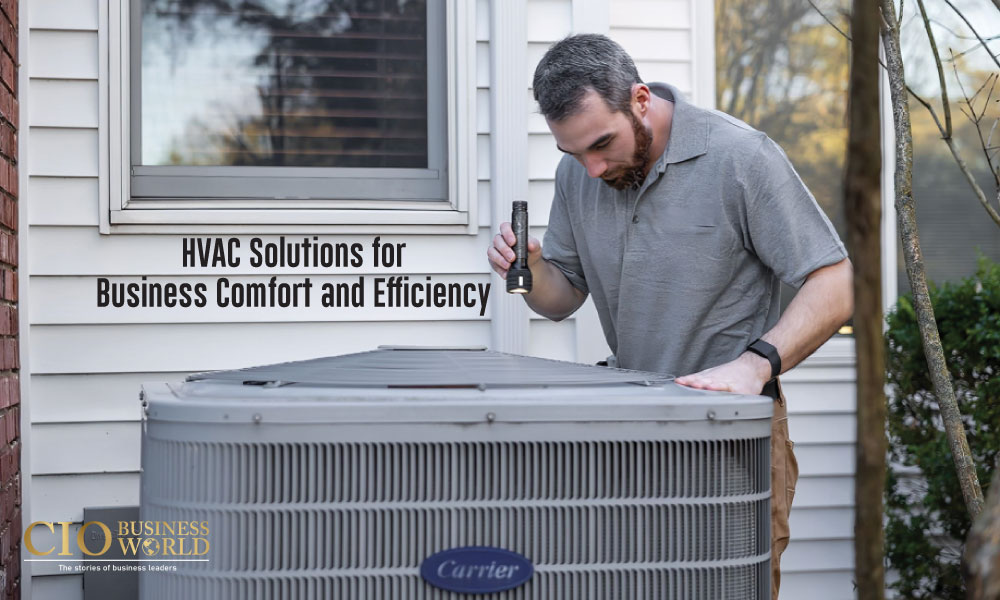
Managing a commercial property requires keeping utility expenses low. Consistent indoor comfort keeps employees focused and productive throughout the entire workday. Comfortable workspaces improve daily performance. A well-regulated environment protects employees.
Commercial climate control systems directly impact daily operational budgets. Finding modern configurations cuts down on energy waste and protects valuable physical assets from weather damage. Low-efficiency systems create ongoing financial leaks.
Upgrading Commercial Climate Controls
Older facilities often struggle with uneven temperatures across different floors. Finding a reliable licensed HVAC contractor resolves systemic comfort issues before they hurt workforce morale. New setups maintain steady conditions throughout the property during every season.
Modern equipment operates quietly in the background without causing distractions. Teams collaborate better when office temperatures stay stable during sudden weather shifts. Upgrades protect sensitive server rooms and electronics from extreme heat spikes. Stable air environments lower stress levels.
Old machinery drains power and drives up monthly utility bills. Replacing worn components prevents unexpected system shutdowns during intense summer heatwaves. Better ventilation setups keep indoor spaces feeling fresh and clean for visitors.
Driving Down Monthly Energy Bills
Utility costs represent a massive portion of annual business operations. Wasteful heating and cooling systems run constantly without cooling rooms to the correct level. High-efficiency units lower the operational expenses immediately after setup.
A market study reported that energy-efficient climate systems lead to utility savings of up to 30%. Regular savings directly boost net profit lines for small companies. Lower power consumption helps control monthly overhead expenditures.
Investing in smart components reduces unnecessary system runtime during off-hours. Programmable controls lower total power output when the workspace stays empty overnight. Modification aligns utility usage with actual occupancy hours to stop waste. Smart options give managers complete control.
Advanced Filtration Systems for Air Quality
Indoor air quality shapes health and physical performance inside workspaces. Airborne particles cause sluggishness and respiratory irritation among staff members. High-grade filtration options remove microscopic debris from the circulating air supply.
An industry overview noted that whole-house property air purifiers experience high market demand. Advanced units pull dust and outdoor pollutants directly out of the breathing zone. Clean workspaces reduce sick leave requests over the fiscal year.
Clean air requires a combination of tools working together. Facility managers choose certain parts to clear their indoor air:
- High-efficiency filters capture tiny floating dust particles.
- Ultraviolet light tubes eliminate organic growth inside deep ductwork.
- Fresh air intakes swap stale indoor air with clean outdoor air.
Zoning Controls for Diverse Workspaces
Different areas of a commercial building have distinct temperature demands. Dedicated computer rooms need constant cooling even during freezing winter months. Corner offices with massive glass windows absorb extra heat from direct morning sunlight.
Standard setups treat the entire building as a single zone. The approach causes some offices to freeze and separate rooms to overheat simultaneously. Zoning solutions direct cool airflow exactly where staff members require it most. Adjustable climate zones resolve temperature differences.
Motorized dampers inside the air ducts open and close automatically based on local sensors. Property managers control individual rooms without affecting separate floors. A localized control solves office temperature arguments permanently and keeps people content.
Smart Monitoring and Preventive Care
Waiting for a complete machinery breakdown can trigger a surprise $1000 repair bill. Sudden emergency repairs disrupt daily business workflows, which creates immense frustration for clients. Regular maintenance visits catch minor defects before parts snap completely.
Automated sensors track pressure variations and airflow restrictions in real time. Systems alert mechanical technicians when parts show early signs of heavy wear. A proactive notice keeps commercial setups running at peak performance levels all year.
Clean coils transfer heat much faster than clogged or dusty components. Lubricating moving elements prevents internal friction from burning out expensive fan motors. Planned service agreements extend the total operational lifespan of heavy commercial equipment. Regular care reduces operational costs by large margins.
Planning Long-Term Property Investments
Modernizing commercial infrastructure requires clear upfront capital allocation. Smart business leaders view project costs as direct investments in asset value. Upgraded properties attract better corporate tenants and command higher rental rates.
Local energy codes grow stricter every season across the country. Upgrading mechanical systems early avoids expensive penalties and forced compliance adjustments later. Modern equipment options meet strict green building standards with total ease.
Choosing the correct equipment size prevents constant system short-cycling problems. Overly large machinery turns off too quickly without removing high humidity levels. Proper layout design balances installation costs against decades of future operational savings.
Balanced indoor climates keep daily commercial workflows moving forward smoothly. Business owners eliminate operational waste when they update aging air handling machinery. Reliable mechanical infrastructure supports a productive office workforce.
Modern climate updates pay for themselves through smaller power bills and fewer breakdown fees. Protecting workspace air quality maintains strong staff morale. Investing in efficient climate tools supports steady long-term business growth.