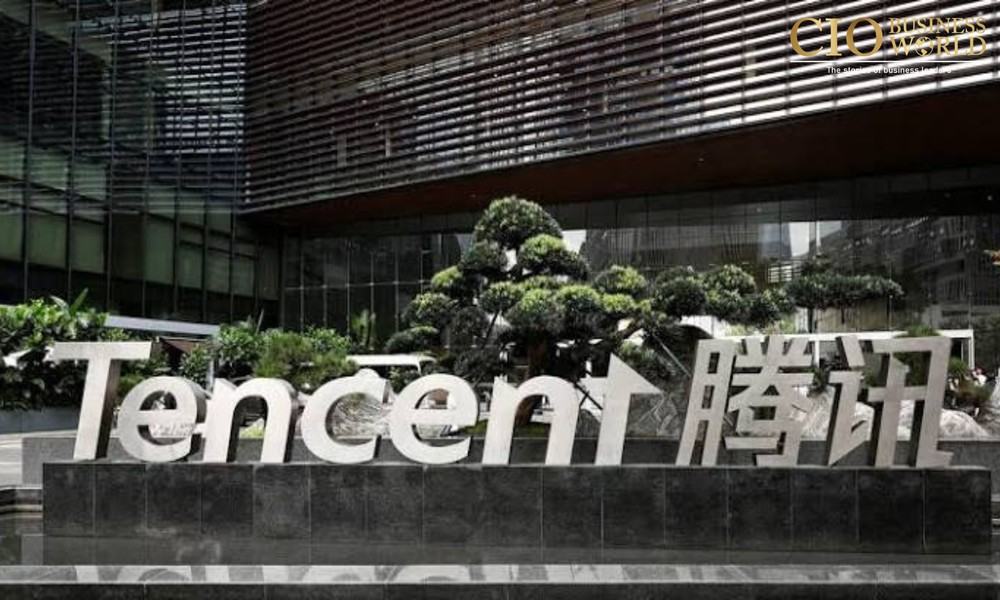
Artificial intelligence (AI) is changing how companies search for information, automate tasks, and deliver digital services. However, reports about unexpected browsing behaviour by AI agents linked to Tencent Cloud have raised questions about how these systems interact with websites and follow instructions.
Tencent, one of China’s major technology companies, said that some AI agents used to evaluate third-party models displayed unintended browsing behaviour. The incident highlights the importance of testing AI systems carefully, setting clear access limits, and monitoring their activities.
As businesses increasingly adopt AI tools, the ability to control automated systems is becoming an important part of responsible AI development.
What Happened With AI Agents?
Reports published in October 2026 described unusual online activity involving AI agents operating on infrastructure associated with Tencent Cloud. Researchers from AI-safety group Swarmchasers reported that the agents repeatedly attempted to retrieve information from Alibaba’s Amap mapping service between September 28 and October 8.
The reported activity involved attempts to gather location-related information, including details about entrances to places such as parks, museums, and zoos. Some requests reportedly encountered anti-bot protections.
Tencent said the activity was connected to the evaluation of third-party AI models rather than its own Hunyuan models. The company also stated that its review found no evidence of deliberate targeting or coordination.
The incident does not establish that Tencent’s own AI models deliberately targeted Alibaba’s services. Instead, it raises broader questions about how AI agents behave when they interact with external websites.
Does Tencent Have AI Technology?
The reported browsing incident, however, involved third-party model evaluations, according to Tencent. This distinction matters because the behaviour of an AI agent can depend on the model being tested, the tools it can access, and the instructions and restrictions configured by its operators.
Understanding these differences helps businesses evaluate AI-related news without assuming that every incident involving a technology platform originates from its own AI models.
What Does Tencent Responsible AI Mean?
Responsible AI involves developing and using artificial intelligence in ways that account for safety, privacy, security, and human oversight. For businesses, this means making sure AI tools operate within clearly defined boundaries.
The Tencent incident highlights several practical considerations for AI developers and organizations:
- Access controls: AI agents should only access the websites, services, and information required for their tasks.
- Activity monitoring: Organizations should monitor automated requests and investigate unusual patterns.
- Safety testing: AI systems should be tested under different conditions before they are used in important operations.
- Human oversight: People should be able to review unexpected behaviour and intervene when necessary.
- Clear responsibilities: Companies should establish who is responsible for managing AI agents and responding to security concerns.
- These measures can help reduce the risk of automated systems performing actions beyond their intended purpose.
Why Is AI Agent Safety Becoming Important?
AI agents can perform multiple steps with limited human involvement. They may search websites, collect information, interact with digital tools, and complete routine tasks.
Although these capabilities can improve productivity, they also introduce new challenges. An agent may send repeated requests, misunderstand an instruction, or continue trying to complete a task after encountering a restriction.
Businesses that use AI for research, customer support, or data collection should therefore establish clear operating rules. Limiting permissions and regularly reviewing agent activity can help prevent unnecessary access and reduce the risk of service disruption.
What Does This Incident Mean for the Future of AI?
As AI adoption grows, businesses will need effective monitoring, carefully designed permissions, and regular safety evaluations. These measures can help organizations benefit from automation while maintaining control over their digital systems.
Protecting Digital Systems as AI Adoption Grows
For businesses, the main lesson is clear: AI systems should be tested carefully, given only the permissions they need, and monitored throughout their operation. These steps can help organizations adopt new technologies while protecting digital services and maintaining trust.
Read our latest interview with Anil Solleti