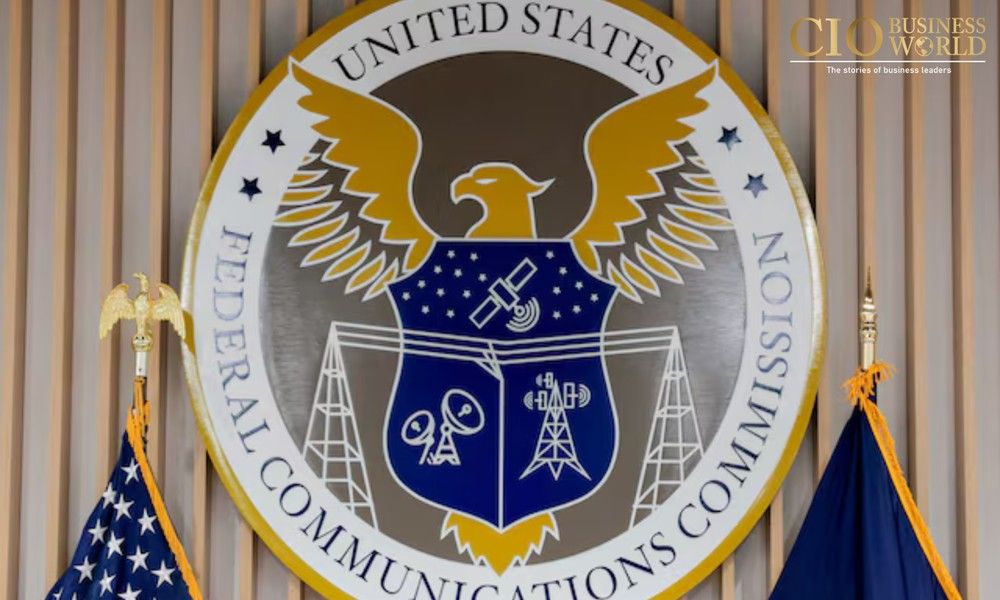
The US Senate Commerce Committee has scheduled a November 10, 2026, hearing to review President Donald Trump’s nominee for the Federal Communications Commission (FCC). Danielle Thumann Severs, a senior counsel to FCC Chair Brendan Carr, is expected to face questions about media regulation, broadcasting licences, and the commission’s oversight of major television networks. The hearing comes as the FCC reviews the licences of Walt Disney-owned ABC television stations, raising wider questions about broadcasting regulations, government oversight, and media independence in the United States.
Who Is Trump’s FCC Nominee Danielle Thumann Severs?
As a senior counsel to FCC Chair Brendan Carr, Severs has experience working within the commission. Her nomination comes at a time when the FCC is dealing with several important issues involving television broadcasting, wireless communications, and media regulation.
The Senate hearing will give lawmakers an opportunity to examine her professional background, regulatory priorities, and approach to the commission’s responsibilities.
Why Are ABC Television Licences in Focus?
In April 2026, FCC Chair Brendan Carr ordered an early review of the stations’ broadcasting licences. Their regular licence renewals were not scheduled for consideration until October 2028.
The move followed public criticism of ABC by Trump, including his comments about late-night television host Jimmy Kimmel.
Disney has filed a lawsuit seeking to block the early licence review. The legal challenge has not yet received a ruling from a US judge.
During the Senate hearing, lawmakers may question Severs about the FCC’s authority, the ABC review process, and the importance of maintaining consistent broadcasting standards.
Political Balance and FCC Responsibilities
The commission currently has two Republican members and one Democratic member, Anna Gomez. A confirmation of Trump’s nominee could raise additional questions about the commission’s political balance and its ability to operate under existing legal requirements.
The hearing may also address whether commissioners can carry out their responsibilities independently while following federal communications laws.
Wireless Spectrum and Telecommunications Policy
One important issue involves efforts by Elon Musk’s SpaceX to obtain wireless spectrum to compete with the three major US telecommunications carriers.
Spectrum is essential for wireless communication services, mobile networks, and broadband connectivity. Decisions about its allocation can influence competition, investment, and the development of telecommunications infrastructure.
What Could the Hearing Mean for US Media Regulation?
Questions surrounding ABC’s television licences, political influence, broadcasting independence, and wireless competition could shape the discussion.
Broadcasters in the United States have First Amendment protections when making editorial and programming decisions. At the same time, individual television stations must hold FCC licences to use public airwaves.
Understanding the Future of FCC Oversight
Read our latest interview with Sotirios Perdikeas