
Advertise With Us

The Best Cybersecurity Assessment Tools: Top 5 Picks

In today’s digital landscape, cybersecurity is paramount to protect sensitive information and maintain the integrity of systems. Cybersecurity tools play a crucial role in safeguarding against various threats, from malware attacks to data breaches.

In this article, we looks into the world of open-source cybersecurity solutions, highlighting The Best Cybersecurity Assessment Tools.

What are Cybersecurity Tools?

Cybersecurity tools encompass a range of software applications and utilities designed to enhance the security of digital systems and networks. These tools help identify vulnerabilities, detect intrusions, and mitigate potential threats to ensure robust protection against cyber attacks.

List of Cybersecurity Assessment Tools

  • OpenVAS
  • Snort
  • Wireshark
  • Bro
  • Security Onion

1. OpenVAS

OpenVAS, or Open Vulnerability Assessment System, is a powerful open-source vulnerability scanner renowned for its comprehensive security assessment capabilities. It enables users to identify and remediate vulnerabilities across networks, servers, and applications, thereby strengthening overall security posture.

2. Snort

Snort is an open-source network intrusion detection and prevention system (NIDS/NIPS) that offers real-time traffic analysis and packet logging. With its robust rule-based detection engine, Snort can detect and respond to various types of suspicious network activity, helping organizations proactively thwart cyber threats.

3. Wireshark

Wireshark is a widely-used open-source packet analyzer that allows users to capture and analyze network traffic in real-time. Its intuitive interface and powerful filtering options make it a valuable tool for troubleshooting network issues, detecting malicious activity, and conducting network forensics.

4. Bro

Bro, now known as Zeek, is an open-source network security monitor that provides detailed insights into network traffic. It facilitates protocol analysis, content searching, and metadata extraction, making it instrumental in detecting and investigating security incidents within network environments.

5. Security Onion

Security Onion is a comprehensive open-source platform for intrusion detection, network security monitoring, and log management. It integrates various security tools, including Snort, Suricata, and Elasticsearch, into a single solution, offering centralized visibility and control over security operations.

By leveraging these top open-source cybersecurity tools, organizations can bolster their defenses against evolving cyber threats and safeguard their digital assets effectively.

Conclusion

In the end, open-source cybersecurity technologies play an important role in strengthening digital defenses and minimizing cyber threats. The top 5 products mentioned in this article include extensive features for vulnerability review, intrusion detection, and network security monitoring. Organizations that incorporate these tools into their security armory can increase their resilience to cyber threats while also protecting the integrity of their systems and data.

20 Jackie Robinson Quotes – A Legacy Beyond Baseball

Jackie Robinson, an example in American athletics, not only made baseball history, but also had a long-term impact on civil rights. In this blog article, we’ll look at the wisdom inherent in Jackie Robinson Quotes and learn about the man behind the legacy.

Who is Jackie Robinson?

Jackie Robinson, the first African American to play Major League Baseball (MLB), was born on January 31, 1919, in Cairo, Georgia. His breaking of the color barrier in 1947 marked a historic turning point in sports history, paving the way for a more inclusive future. Robinson’s determination and talent made him a symbol of bravery and determination.

Early Life and Birth of Jackie Robinson

Growing up in a race divided atmosphere presented Robinson with numerous obstacles. Although experiencing challenges, he succeeded in a variety of sports, eventually discovering his calling in baseball. His birthplace, Cairo, Georgia, influenced his perspective on racial injustice.

List of 20 Jackie Robinson Quotes

  • A life is not important except in the impact it has on other lives.
  • The right of every American to first-class citizenship is the most important issue of our time.
  • I’m not concerned with your liking or disliking me… All I ask is that you respect me as a human being.
  • The only way to get ahead is to fail early, fail often, and fail forward.
  • I’m not concerned with being liked. I’m concerned with doing what’s right.
  • I believe in the goodness of a free society. And I believe that the society can remain good only as long as we are willing to fight for it.
  • The more you keep in yourself, the less God can fill you.
Jackie Robinson Quotes
  • A life isn’t significant except for its impact on other lives.
Jackie Robinson Quotes
  • There’s not an American in this country free until every one of us is free.
  • I never cared about acceptance as much as I cared about respect.
  • The most luxurious possession, the richest treasure anybody has, is his personal dignity.
  • I want to be remembered as a ballplayer who gave all I had to give.
  • Above anything else, I hate to lose.
  • The way I figured it, I was even with baseball and baseball with me. The game had done much for me, and I had done much for it.
  • I’m not concerned about my legacy. Just trying to live a life that will make my kids proud.
Jackie Robinson Quotes

Legacy and Death

Jackie Robinson passed away on October 24, 1972, at the age of 53. Beyond his baseball achievements, his legacy extends into the realms of civil rights activism. Robinson’s contributions paved the way for greater equality, leaving an indelible mark on American society.

Famous Quote from Jackie Robinson

One of Jackie Robinson most famous quotes is, “A life is not important except in the impact it has on other lives.” This profound statement reflects his commitment to making a difference both on and off the field. Robinson’s words continue to inspire individuals to strive for positive change.

Impact on Sports and Beyond

Jackie Robinson quotes impact transcends sports. His courage opened doors for future generations of athletes, fostering inclusivity and diversity. Beyond the stadium, Robinson’s advocacy for civil rights made him a key figure in the broader fight against racial discrimination.

In conclusion, Jackie Robinson’s quotes are windows into the mind of a remarkable individual whose influence extends far beyond the baseball diamond. Through his words, we find inspiration and a call to action, reminding us of the ongoing journey towards a more just and equitable society.

Samsung Extends Android and Security Updates to 7 Years

In a game-changing move, Samsung has announced that it will from this point on supply Android and security upgrades for its mobile devices for over seven years. This decision indicates an important change in industry standard practices and shows Samsung’s commitment to customer satisfaction and data security.

Extended Support for Users

Samsung’s decision to extend its software support period to seven years sets a new benchmark for the mobile technology sector. By offering updates for such an extended duration, Samsung ensures that its customers can continue to enjoy the latest features and security enhancements on their devices for a significantly longer time, thereby maximizing the lifespan of their smartphones.

Increased Security Measures

One of the key motivations behind Samsung’s initiative is to enhance the security posture of its devices. With cyber threats becoming increasingly sophisticated, timely software updates are critical in safeguarding users against potential vulnerabilities. By prolonging the support period to seven years, Samsung aims to provide users with peace of mind, knowing that their devices will receive regular security patches and updates to mitigate emerging threats.

Redefining Industry Norms

Samsung’s decision to provide updates for 7 years shows its commitment to innovation and consumer focus. Samsung is interested in redefining the traditional lifecycle of smartphones by proactively addressing consumers’ changing needs and providing that users get the most out of their devices throughout time.

This aspiring step showcases Samsung’s leadership in the mobile technology industry and confirms its commitment to provide cutting-edge solutions that prioritize user experience and data security.

FAQ’s

  1. What prompted Samsung to introduce this seven-year support program?

    – Samsung’s decision stems from a commitment to deliver exceptional value and service to its customers, addressing the demand for prolonged software support in an ever-evolving digital landscape.
  2. How will this initiative impact consumers?

    – Consumers can expect enhanced longevity and security for their Samsung devices, as well as access to the latest features and innovations for an extended period, thereby maximizing the value of their investment.
  3. What sets Samsung’s approach apart from its competitors?

    – Unlike many other smartphone manufacturers that offer limited software support, Samsung’s seven-year update promise demonstrates its dedication to setting new benchmarks in customer satisfaction and device longevity.

Samsung Galaxy S24 Vs. S23? Which one is better?

As technology fans wait for the release of Samsung’s latest flagship smartphones, the Samsung Galaxy S24 Vs. S23, the burning question on everyone’s mind is: which one is better?

Let’s do a full comparison to help you determine which gadget is ideal for you.

Design and Display

Galaxy S24

  • Design: Sleek, modern design with slim bezels and a refined aesthetic.
  • Display: Expected to feature a vibrant and immersive Super AMOLED display with a high refresh rate for smooth visuals.

Galaxy S23

  • Design: Continuation of Samsung’s premium design language with a focus on elegance and durability.
  • Display: Likely to sport a stunning Super AMOLED display offering crisp details and vivid colors.

Performance and Hardware

Galaxy S24

  • Processor: Rumored to come equipped with the latest Exynos or Snapdragon processor for blazing-fast performance.
  • RAM and Storage: Expected to offer ample RAM and storage options for seamless multitasking and abundant media storage.

Galaxy S23

  • Processor: Anticipated to feature a powerful chipset ensuring smooth operation and swift app launches.
  • RAM and Storage: Likely to provide sufficient RAM and storage configurations to meet varying user needs.

Camera Capabilities

Galaxy S24

  • Main Camera: Speculated to boast advanced camera technology for exceptional photography and videography.
  • Front Camera: Expected to deliver stunning selfies and high-quality video calls.

Galaxy S23

  • Main Camera: Likely to offer impressive camera capabilities with a focus on capturing vivid and detailed images.
  • Front Camera: Anticipated to provide sharp and clear selfies for social media enthusiasts.

Battery Life and Charging

Galaxy S24

  • Battery Life: Expected to feature a long-lasting battery to keep you connected throughout the day.
  • Charging: Rumored to support fast charging technology for quick and convenient recharges.

Galaxy S23

  • Battery Life: Likely to offer dependable battery life for extended usage without frequent recharging.
  • Charging: Anticipated to support fast charging capabilities to minimize downtime.

Conclusion

Both the Samsung Galaxy S24 Vs. S23 promise to be formidable contenders in the smartphone market, offering a plethora of cutting-edge features and innovations. While the S24 is expected to bring significant upgrades in performance and camera capabilities, the S23 is likely to remain a solid choice with its reliable performance and sleek design. Ultimately, the decision between the two devices boils down to individual preferences and priorities.

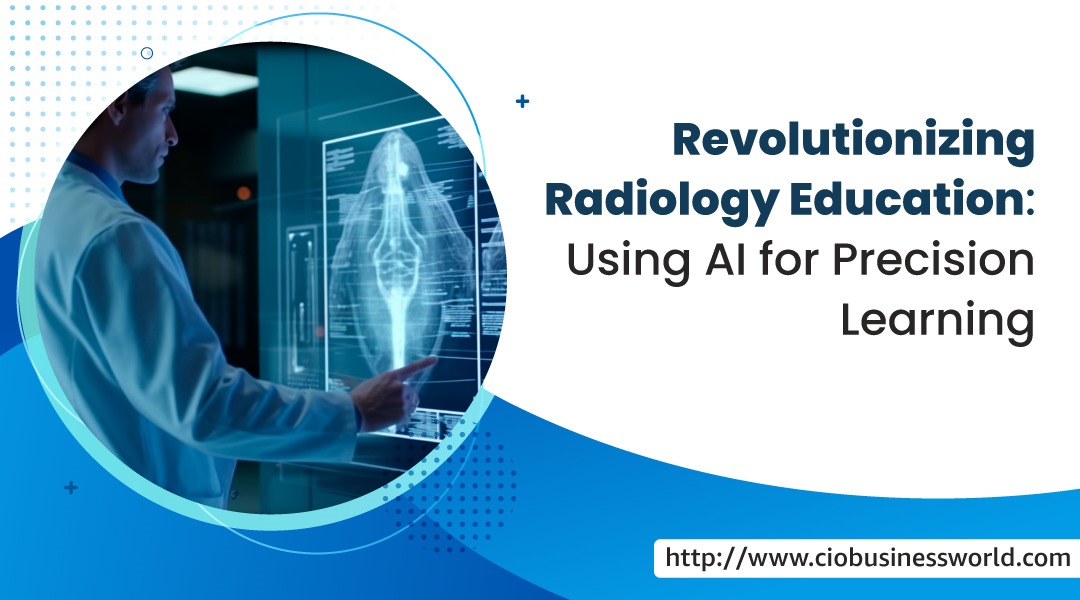
Revolutionizing Radiology Education: Using AI for Precision Learning

In the ever-changing world of medical diagnostics, precision is important. The incorporation of Artificial Intelligence (AI) into radiology education is proving to be a game changer, altering how future radiologists learn and hone their skills. As technology advances, CIOBusinessWorld Magazine analyses who will profit the most from the use of artificial intelligence in radiology precision education.

Radiology Students and Trainees

Aspiring radiologists are among the primary beneficiaries of AI in precision education. Traditional methods of learning in the medical field often rely on textbooks, lectures, and hands-on experiences. However, AI technologies, such as virtual simulations and interactive learning platforms, offer students and trainees a dynamic and immersive educational experience. These tools provide a realistic and risk-free environment for practicing skills, interpreting medical images, and making diagnostic decisions. AI-driven educational modules adapt to individual learning styles, ensuring a personalized and effective learning journey for each student.

How does AI enhance the learning experience for radiology students?

AI enhances the learning experience for radiology students by providing interactive and realistic simulations. These simulations mimic the challenges of real-world scenarios, allowing students to practice interpreting complex medical images and making diagnostic decisions.

Additionally, AI adapts to individual learning styles, ensuring a personalized and effective educational experience.

Healthcare Institutions and Training Programs

Healthcare institutions and radiology training programs are embracing AI to optimize and streamline their educational initiatives. AI-powered platforms enable educators to track the progress of students, identify areas that need improvement, and tailor the curriculum to meet evolving industry demands. Furthermore, institutions can leverage AI for continuous assessment, ensuring that their radiology programs remain at the forefront of technological advancements.

By incorporating AI into education, healthcare institutions can produce highly skilled radiologists equipped with the latest knowledge and expertise.

How can healthcare institutions integrate AI into their radiology education programs?

Healthcare institutions can integrate AI into their radiology education programs by adopting AI-powered learning platforms and simulation tools. These tools offer realistic scenarios for students to practice and enhance their diagnostic skills. Additionally, AI enables institutions to track student progress, identify areas for improvement, and customize the curriculum to align with the latest advancements in radiology. Integration of AI ensures that radiology education remains dynamic and aligned with the rapidly evolving field.

Also Read: Best 5 Cybersecurity Stocks in 2024 to Protect Your Investment

As the synergy between AI and precision education continues to strengthen, the future of radiology training promises a new era of expertise, efficiency, and excellence. The beneficiaries, from students to healthcare institutions, are poised to reap the rewards of this groundbreaking advancement in medical education.

AI Will Replace You, So Be In The Office 4-5 Days A Week

In a startling admission, PricewaterhouseCoopers (PwC) UK CEO John Hamill has warned employees about the potential threat of artificial intelligence (AI) replacing human jobs. According to Hamill, in order to ensure job security, employees must be present in the office four to five days per week. This comment raises important considerations regarding the changing environment of employment in the age of AI and its possible influence on established job structures.

Highlight Points of How AI Will Replace You?:

  1. AI Will Replace You: According to Hamill, the rapid advancement of AI technology poses a significant risk to certain job roles. Automation and machine learning capabilities are expected to replace routine tasks, making a compelling case for employees to adapt to new work paradigms to remain relevant in the job market.
  2. Embracing Office Routine for Job Security: PwC’s UK boss emphasises the importance of physical presence in the office to foster collaboration and innovation. Despite the rise of remote work in recent times, Hamill believes that a structured office routine not only enhances teamwork but also serves as a protective measure against the potential downsides of AI disruption.
  3. Striking a Balance: Hamill advocates for a balanced approach that combines the efficiency of AI with the human touch. While acknowledging the capabilities of AI, he underscores the unique qualities that humans bring to the workplace, such as creativity, emotional intelligence, and critical thinking. Striking the right balance between technology and human skills is key to navigating the future job market.

FAQs:

  1. How does AI pose a threat to traditional jobs?
    – AI’s ability to automate routine tasks and processes makes certain job roles susceptible to displacement. Jobs that involve repetitive, rule-based activities are particularly at risk.
  2. Why is physical presence in the office emphasized amid the rise of remote work?
    PwC’s CEO, John Hamill, believes that the office environment fosters collaboration, innovation, and a sense of belonging. A structured office routine is seen as a strategic measure to mitigate the potential negative impacts of AI on job security.

Conclusion:

As artificial intelligence keeps changing the work landscape, PwC’s UK CEO’s warning serves as a wake-up call for employees to adapt proactively. Navigating the changing employment market will require striking a fine balance between using AI’s efficiency and conserving human-centric talents. Adopting a consistent office routine emerges as a strategic approach to protect against job displacement in the age of automation.

Barclays cutoff 5,000 jobs in 2023 | A Closer Look at Barclays

In a strategic decision, Barclays has confirmed a large personnel cut, announcing the removal of 5,000 positions by 2023. This move has sent shockwaves across the financial sector, forcing analysts to investigate the rationale behind such harsh measures.

The term “Barclays cutoff” indicates an important structural organize. The bank intends to streamline operations, increase efficiency and adapt to the changing landscape of the financial business. The decision to reduce 5,000 jobs demonstrates a commitment to being competitive in a hard market.

The impact of Barclays cutoff is not limited to the affected employees alone. It reflects the broader transformation taking place within the banking giant. The move is part of a comprehensive strategy to reallocate resources, invest in digital innovation, and navigate the complexities of a rapidly changing global economy.

A Closer Look at Barclays’ Restructuring Plan

Unraveling the Strategy

Barclays cutoff isn’t just about reducing numbers; it’s a strategic maneuver to position the bank for future success. The emphasis on technology and digital solutions suggests a shift towards a more agile and responsive organizational structure. This move aligns with the industry’s increasing reliance on fintech and digital banking services.

Addressing Market Challenges

Barclays’ decision reflects an astute awareness of the challenges posed by market dynamics. The restructuring plan aims to fortify the bank’s position in the face of economic uncertainties, technological disruptions, and evolving customer expectations. By reallocating resources and optimizing operations, Barclays seeks to build resilience and sustainability.

Employee Impact

While the focus is on Barclays cutoff, the human aspect should not be overlooked. The affected employees face uncertainty and the challenges of reemployment. Barclays has expressed its commitment to supporting those impacted, offering retraining programs and assistance in transitioning to new opportunities.

Barclays Adapts for the Future

Barclays’ strategic move to cut 5,000 jobs signifies more than just a cost-cutting measure. It is a pivotal step in the bank’s evolution, aligning with the broader industry trends. The financial landscape is changing, and Barclays is positioning itself to not only weather the storm but to emerge as a stronger and more agile player in the global banking arena.

Over a Third of Adults Use Health Apps, Wearables in 2024

A recent survey showed that more than one-third of adults worldwide had accepted the integration of health applications and wearables into their daily lives by 2024. This surge in adoption reflects an increased awareness and dedication to personal health and well-being. As technology advances, people are becoming more reliant on digital technologies to monitor, manage, and improve their overall health.

Highlight Points:

  1. Rapid Surge in Adoption Rates: The survey, conducted across diverse demographics, highlights a rapid surge in the adoption rates of health apps and wearables. Over 35% of adults reported actively using at least one health-related application or wearable device. This surge is indicative of a paradigm shift in how individuals engage with their health, moving beyond traditional methods to more proactive and personalized approaches.
  2. Diverse Range of Applications: Health apps and wearables are no longer limited to basic fitness tracking. The study reveals a diverse range of applications, including monitoring chronic conditions, mental health tracking, and even preventive care. The versatility of these digital tools is playing a pivotal role in making healthcare more accessible and tailored to individual needs.
  3. Positive Impact on Lifestyle Choices: A significant revelation from the survey is the positive impact these technologies are having on lifestyle choices. Users reported improvements in physical activity, sleep quality, and stress management, attributing these positive changes to the insights provided by health apps and wearables. This suggests a potential shift towards a more proactive and preventive healthcare approach.

The Evolution of Digital Health Landscape:

The integration of health apps and wearables is indicative of the evolving digital health landscape. Explore the diverse applications and technological advancements that are reshaping how individuals approach their well-being.

Challenges and Concerns Amidst the Boom:

With the widespread adoption of health apps and wearables, there are emerging challenges and concerns. Delve into the issues surrounding data privacy, accuracy of health metrics, and the need for regulatory frameworks to ensure ethical use of personal health data.

FAQs:

  1. How Secure are Health Apps in Protecting Personal Data? As the use of health apps rises, concerns about data security are natural. Explore the measures in place to safeguard personal information and the role of regulations in ensuring user privacy.
  2. Are Health Apps Suitable for Managing Chronic Conditions? Many individuals are turning to health apps for managing chronic conditions. Uncover the effectiveness of these digital tools in supporting individuals with chronic health issues and their integration into traditional healthcare systems.

Conclusion:

The increasing use of health applications and wearables represents a dramatic shift in how people view and manage their health. As technology advances, the synergy between digital innovation and personal well-being is poised to reshape the future of healthcare, allowing people to take control of their health in unprecedented ways.

Lilly Launches Website And Home Delivery Option For Weight-loss Medication

In a groundbreaking move to enhance accessibility and convenience for individuals striving for a healthier lifestyle, pharmaceutical giant Lilly has unveiled a user-friendly website coupled with a home delivery option for its acclaimed weight-loss medications. This strategic initiative aims to streamline the process of obtaining these medications, eliminating barriers and fostering a more seamless experience for those on a weight-loss journey.

User-Friendly Interface

The newly launched website boasts an intuitive and user-friendly interface, designed with the customer in mind. Navigating through the platform is a breeze, ensuring that users can effortlessly explore the range of weight-loss medications offered by Lilly. The website provides comprehensive information about each product, including dosage details, potential side effects, and success stories from individuals who have achieved significant results.

Efficient Home Delivery

Recognizing the growing demand for streamlined healthcare services, Lilly’s home delivery option brings the pharmacy to the doorstep of its customers. This feature not only eliminates the need for in-person visits but also ensures that individuals have a reliable supply of their prescribed weight-loss medications. With a few clicks on the website, users can schedule regular deliveries, saving time and effort.

Personalized Consultations

To further enhance the online experience, Lilly has incorporated a virtual consultation service. Users can schedule appointments with healthcare professionals specialized in weight management. This personalized approach ensures that individuals receive tailored advice, fostering a holistic and effective weight-loss journey.

Security and Confidentiality:

Lilly understands the importance of privacy when it comes to healthcare. The website incorporates state-of-the-art security measures to safeguard user data and ensure confidentiality. From the moment users access the platform to the delivery of their medication, Lilly prioritizes the protection of personal information.

Empowering Healthy Lifestyles:

The launch of the website and home delivery option aligns with Lilly’s commitment to empowering individuals on their path to healthier lives. By combining technology, pharmaceutical expertise, and personalized care, Lilly aims to make weight-loss medications more accessible and convenient than ever before.

In conclusion, Lilly’s latest initiative signifies a transformative step towards revolutionizing the way individuals approach weight management. The integration of technology and healthcare not only simplifies the process but also reflects Lilly’s dedication to improving the overall well-being of its customers.

Boosting Cybersecurity: Key Updates on Threat Intelligence and NIS2

In an era of remarkable technical advances, the ever-changing landscape of cybersecurity requires ongoing monitoring and adaptation. Recent changes to Threat Intelligence, as well as the second Network and Information Systems Directive (NIS2), are critical in strengthening digital defenses against emerging threats. These advancements promise to bring in a new era of resilience and responsiveness to cyber threats.

Highlight Points to Boosting Cybersecurity:

  • Threat Intelligence Advancements:

The field of Threat Intelligence has witnessed significant strides, with a focus on predictive analytics and proactive defense mechanisms. Cutting-edge tools now harness the power of artificial intelligence and machine learning to analyze vast datasets in real-time, identifying potential threats before they can manifest. This shift from reactive to proactive threat detection marks a paradigm shift, empowering organizations to stay one step ahead of cyber adversaries.

  • NIS2 Compliance Mandates:

The second iteration of the Network and Information Systems Directive, NIS2, brings forth enhanced regulatory measures aimed at ensuring the resilience of essential services and digital infrastructure. With a broader scope encompassing a wider range of sectors, NIS2 mandates stringent cybersecurity measures, incident reporting protocols, and collaborative efforts among member states. The directive not only bolsters cybersecurity preparedness but also fosters a cohesive and coordinated response to cyber incidents on a European scale.

  • Integration of Threat Intelligence and NIS2:

A key highlight in the cybersecurity landscape is the synergy between Threat Intelligence and NIS2 compliance. Organizations are now urged to integrate robust Threat Intelligence practices into their cybersecurity frameworks, aligning them with the requirements set forth by NIS2. This integration not only ensures a comprehensive defense strategy but also facilitates efficient incident response and compliance adherence.

FAQs:

1. How does Threat Intelligence differ from traditional cybersecurity measures?

– Threat Intelligence goes beyond traditional cybersecurity by actively analyzing and interpreting data to predict potential threats. It leverages advanced technologies, such as AI and machine learning, to provide real-time insights, allowing organizations to proactively mitigate risks.

2. What are the key changes introduced by NIS2, and how do they impact businesses?

– NIS2 expands the scope of critical infrastructure sectors and imposes stricter cybersecurity measures. Businesses now face enhanced obligations for incident reporting and must implement robust security measures to ensure the continuity and resilience of their services.

Conclusion:

As Threat Intelligence and NIS2 compliance tightens, enterprises must embrace these advancements to strengthen their cybersecurity postures. The combination of cutting-edge Threat Intelligence with regulatory frameworks like NIS2 demonstrates the proactive approach required to protect our digital future. In this ever-changing landscape, remaining aware and adjusting to changes will be critical in developing a strong defense against cyber threats.