
Advertise With Us

Top 10 Oogway Quotes to Inspire You

Master Oogway, a character from the “Kung Fu Panda” series, provides insightful perspectives that are relatable to people of all ages. Master Oogway quotes reflect knowledge about life, destiny, and self-discovery.

In this article, we will take a look at some of his most important Master Oogway quotes and the lessons they teach. These opinions both inspire and challenge us to think on our own lives.

Who is Master Oogway?

Master Oogway is a wise tortoise who teaches Po, the main character of “Kung Fu Panda.” His character represents wisdom and understanding, guiding others with gentle yet profound insights. Master Oogway quotes teachings the importance of inner peace, self-acceptance and the journey of personal growth. s a kung fu master, he symbolizes the ideals of discipline and excellence.

Master Oogway quotes often highlight themes of destiny and the power of choice, encouraging individuals to embrace their true selves.

What Does The Name Oogway Mean?

The name “Oogway” holds cultural significance and is derived from Chinese origins. In Mandarin Chinese, “Oogway” can be transliterated as “Wūguī” (乌龟), where “wū” means black and “guī” means turtle. In Chinese culture, the turtle is a symbol of longevity, wisdom, and stability. Therefore, the name Oogway, associated with a wise and ancient turtle character, reflects these qualities. It aligns with the traditional Eastern belief that animals, particularly those with symbolic attributes, embody wisdom and hold valuable life lessons.Thus, the term Oogway is more than just a moniker; it captures the sense of wisdom and timelessness associated with the figure.

The Power of Wisdom: Unveiling Oogway’s Insights

Oogway’s wisdom goes beyond fiction, providing vital insights into the value of wisdom in handling life’s obstacles. Let’s see how his words might motivate and lead us on our trip.

Here is a list of the Top 10 Oogway Quotes:

1. Patience, my friend. Patience reveals the master plan.

Oogway Quotes

2 .Your mind is like this water, my friend. When it is agitated, it becomes difficult to see. But if you allow it to settle, the answer becomes clear.

3. Believe in yourself and all that you are. Know that there is something inside you that is greater than any obstacle.

Oogway Quotes

4. In the end, we will remember not the words of our enemies, but the silence of our friends.

Oogway Quotes

5. The journey of a thousand miles begins with one step.

6. One often meets his destiny on the road he takes to avoid it.

7. The past is history, the future is a mystery, and today is a gift. That’s why we call it the present.

The past is history

8. The wise man is often more powerful than the strong man.

9. Simplicity is the ultimate sophistication.

10. Yesterday is history, tomorrow is a mystery, but today is a gift. That is why it is called the present.

Key Themes in Oogway’s Wisdom

Oogway highlights several key concepts in his teachings:

  • Acceptance of Change: Life is constantly changing, and accepting change makes it possible for growth.
  • Self-discovery: True power stems from understanding oneself and one’s purpose.
  • Mindfulness: Living in the present moment allows us to enjoy life’s beauty and teachings.

Finally, Master Oogway quotes provide timeless wisdom that can guide us through life’s challenges.

Also Read: Top 20 Lao Tzu Quotes on Leadership

ISLA Releases Revised 2020 US Tax Amendment to the GMSLA

In a significant development, the International Securities Lending Association (ISLA) has recently announced the release of a revised 2020 US tax amendment to the Global Master Securities Lending Agreement (GMSLA). This move aims to address key issues and enhance the clarity of tax-related provisions within the GMSLA framework.

The Motivation for the Amendment by ISLA

  • Clarifying Tax Implications

    The first and foremost goal of this revision is to bring clarity to the tax implications associated with securities lending transactions. By providing more explicit language and definitions, ISLA aims to reduce ambiguity and create a more transparent tax framework within the GMSLA.
  • Adapting to Evolving Regulatory Landscape

    The financial industry is no stranger to dynamic regulatory changes. ISLA’s decision to revise the 2020 US tax amendment is a proactive response to the evolving regulatory landscape. The updated provisions are designed to align seamlessly with current and anticipated future tax regulations, ensuring that the GMSLA remains a reliable and compliant instrument for market participants.

Key Highlights of the Revised Amendment

  • Expanded Scope of Definitions

ISLA has expanded the scope of definitions related to tax-related terms, ensuring that market participants have a comprehensive understanding of the language used within the GMSLA. By doing so, ISLA aims to minimize the risk of misinterpretation and foster a standardized approach to tax considerations in securities lending.

  • Enhanced Reporting Requirements

The revised amendment introduces enhanced reporting requirements, providing additional guidance on the information that needs to be disclosed in tax-related documentation. This move is expected to streamline reporting processes, making it more efficient for market participants to comply with tax obligations while engaging in securities lending activities.

Looking For the future: ISLA’s Commitment to Continuous Improvement

  • Continuous Collaboration and Feedback

ISLA remains committed to fostering an environment of collaboration and feedback. The association encourages market participants to actively engage in discussions and provide input for future revisions. By maintaining an open dialogue, ISLA aims to adapt the GMSLA to the changing needs and challenges of the securities lending landscape.

  • Global Impact

ISLA’s influence extends beyond borders, impacting the global securities lending community. The release of the revised 2020 US tax amendment reflects the association’s dedication to creating a standardized and globally recognized framework for securities lending transactions.

In summary, ISLA’s release of the revised 2020 US tax amendment to the GMSLA marks a pivotal moment in the evolution of securities lending practices. Through enhanced clarity, expanded definitions, and a commitment to ongoing improvements, ISLA reaffirms its role as a key driver of positive change in the financial industry.

Best 5 Cybersecurity Stocks in 2024 to Protect Your Investment

In the ever-evolving landscape of the digital age, where technology advances bring both opportunities and risks, investing in cybersecurity stocks has become increasingly crucial. As cyber threats continue to escalate, savvy investors are turning to cybersecurity stocks to fortify their portfolios against potential breaches.

Here are 4 cybersecurity stocks that are expected to lead the charge in 2024

The importance of selecting the right cybersecurity stocks cannot be underestimated. As we approach 2024, 5 notable stocks are emerging as industry leaders.

  1. Palo Alto Networks (PANW): Renowned for its cutting-edge firewall and cloud security solutions, Palo Alto Networks has consistently proven its ability to stay ahead of cyber threats. With a robust portfolio that spans from network security to threat intelligence, PANW remains a stalwart choice for investors seeking stability and innovation.
  2. CrowdStrike Holdings (CRWD): Specializing in endpoint security and threat intelligence, CrowdStrike has witnessed rapid growth in recent years. Its cloud-native platform, Falcon, has become synonymous with next-generation cybersecurity solutions. As the digital landscape evolves, CrowdStrike remains agile and adaptable, positioning itself as a key player in the cybersecurity space.
  3. Fortinet (FTNT): A global leader in integrated and automated cybersecurity solutions, Fortinet has consistently demonstrated its prowess in safeguarding organizations against complex threats. With a focus on network security, Fortinet’s comprehensive suite of products and services makes it a strategic choice for investors looking to capitalize on the growing demand for robust cybersecurity infrastructure.
  4. Check Point Software Technologies (CHKP): Recognized for its innovative approach to threat prevention and network security, Check Point Software Technologies continues to be a reliable performer in the cybersecurity sector. With a commitment to staying ahead of emerging threats, CHKP remains a stalwart choice for investors seeking a balance between stability and innovation.

Cybersecurity Stocks: A Haven in Challenging Times?

Amidst the volatility of financial markets, many investors are contemplating the role of cybersecurity stocks in their portfolios. The question is: Are cybersecurity stocks a good investment in 2024?

Cybersecurity stocks have proven to be resilient in the face of economic uncertainties. The increasing frequency and sophistication of cyberattacks have elevated the importance of robust cybersecurity measures across industries. As businesses and governments allocate significant resources to fortify their digital defenses, the demand for cybersecurity solutions continues to surge. This sustained demand positions cybersecurity stocks as a potentially lucrative investment opportunity.

Investors also benefit from the sector’s growth potential. As technology advances and new threats emerge, cybersecurity companies are compelled to innovate, creating a dynamic market. This environment provides ample opportunities for investors to capitalize on the continuous evolution of cybersecurity solutions.

Navigating the Investment Landscape – How to Invest in Cybersecurity Stocks

For those looking to dip their toes into the world of cybersecurity stocks, a strategic approach is essential.

Here are some key ideas and indicates that will assist you in your investment journey

  1. Research and Due Diligence: Before making any investment decisions, thoroughly research the stocks you are interested in. Understand their business models, financial health, and growth prospects. Look for companies with a track record of consistent innovation and adaptation to emerging threats.
  2. Diversification: While it offer a compelling investment thesis, it’s crucial to maintain a diversified portfolio. Consider combining cybersecurity stocks with other sectors to spread risk and enhance overall portfolio resilience.
  3. Stay Informed: The cybersecurity landscape is dynamic, with new threats and technologies constantly emerging. Stay informed about industry trends, regulatory developments, and the competitive landscape. Regularly reassess your cybersecurity stock investments to ensure they align with the evolving needs of the digital ecosystem.

As the digital world continues to expand, the importance of cybersecurity cannot be overstated. Investing in cybersecurity stocks not only safeguards your portfolio but also aligns with the broader imperative of securing the digital infrastructure that underpins our interconnected society. With the right strategy and careful consideration, cybersecurity stocks can be a prudent and forward-thinking addition to your investment portfolio in 2024.

Mask Mandates Return at US Hospitals: What You Need to Know

The history of mask mandates traces back to the initial days of the pandemic, where these facial coverings became a symbol of collective responsibility. Particularly within healthcare settings, masks played a pivotal role in curbing the spread of the virus, protecting both patients and frontline workers.

The Announcement

A Pragmatic Approach to Health and Safety

Recent decisions by US hospitals to reintroduce mask mandates stem from a proactive stance on ensuring the safety of healthcare workers and the general public. The emergence of new variants and the ongoing challenges faced by frontline workers necessitated a revisitation of these preventive measures.

Impacts on Healthcare Workers: Navigating Challenges

While the decision aims to protect those on the front lines, it’s not without challenges. Healthcare workers, already burdened by the demands of the pandemic, now face additional hurdles in ensuring compliance and managing potential resistance from certain quarters.

Public Response: Balancing Concerns and Compliance

Unsurprisingly, the reintroduction of mask mandates has sparked a range of reactions within the community. While some applaud the proactive measures, others express concerns and skepticism. It’s essential to address these apprehensions and ensure a unified effort in overcoming the ongoing health crisis.

Compliance Measures: Enforcing Safety Protocols

To ensure the effectiveness of the mandates, hospitals are implementing strict compliance measures. From regular checks to penalties for non-compliance, these measures are designed to create a secure environment within healthcare facilities.

Updated Guidelines: Aligning with CDC Recommendations

The updated guidelines align closely with recommendations from the Centers for Disease Control and Prevention (CDC). Understanding the nuances of these guidelines is crucial for individuals to navigate the evolving landscape of mask mandates.

Mask Effectiveness: Unveiling the Latest Findings

Recent studies underscore the effectiveness of masks in preventing the spread of the virus. Understanding the types of masks recommended and their proper usage becomes imperative in safeguarding oneself and others.

Duration of Mandates: Temporary vs. Long-term Considerations

As the mandates are reintroduced, questions arise about their duration. Are these measures temporary, or are they indicative of a long-term strategy? Clarifying these aspects helps individuals prepare for the road ahead.

Patient Safety: Prioritizing Vulnerable Populations

Beyond protecting healthcare workers, the mandates also aim to ensure the safety of vulnerable populations within healthcare facilities. The importance of these measures in preventing the transmission of the virus among patients cannot be overstated.

Economic Impact: Balancing Health and Economy

While prioritizing health, there’s a need to address the potential economic impact of mask mandates. Striking a delicate balance between safeguarding public health and supporting businesses becomes a critical aspect of the decision-making process.

Overcoming Pandemic Fatigue: Strategies for Engagement

As the pandemic continues, there’s a growing sense of fatigue within the community. Strategies to keep the public engaged and encourage ongoing adherence to safety measures become essential in overcoming pandemic fatigue.

Communication and Education: Dispelling Misconceptions

Clear and effective communication is key in ensuring compliance. Addressing misconceptions about the effectiveness of masks and providing transparent information helps build trust and understanding within the community.

Future Preparedness: Learning from Experience

Drawing lessons from past mandates, it’s crucial to improve preparedness for future health crises. The experiences gained during these challenging times should inform strategies for managing and preventing similar situations in the future.

International Perspectives: Collaborative Global Efforts

Understanding how other countries are managing mask mandates provides valuable insights. Collaborative efforts on a global scale contribute to a more comprehensive and unified approach to tackling health challenges.

Conclusion

In conclusion, the reintroduction of mask mandates at US hospitals signifies a collective responsibility to curb the spread of the virus and protect the community. Understanding the intricacies of these measures and their impact on various aspects of society is essential for navigating the evolving landscape of the ongoing pandemic.


FAQs – Mask Mandates at US Hospitals

  1. How long will the mask mandates be in effect?
    • The duration of the mandates depends on the evolving situation and health recommendations. Regular updates will be provided.
  2. Why are mask mandates important in healthcare settings?
    • Mask mandates are crucial in preventing the transmission of the virus and protecting both healthcare workers and patients.
  3. What types of masks are recommended?
    • The CDC recommends the use of well-fitted masks, such as N95 respirators or surgical masks, for optimal protection.
  4. Are there penalties for not complying with mask mandates?
    • Yes, hospitals are implementing strict compliance measures, including penalties, to ensure the effectiveness of the mandates.
  5. How can the public contribute to overcoming pandemic fatigue?
    • Staying informed, following guidelines, and supporting community efforts contribute to overcoming pandemic fatigue and ensuring a united front against the virus.

National Security Agency will open an AI Security Center

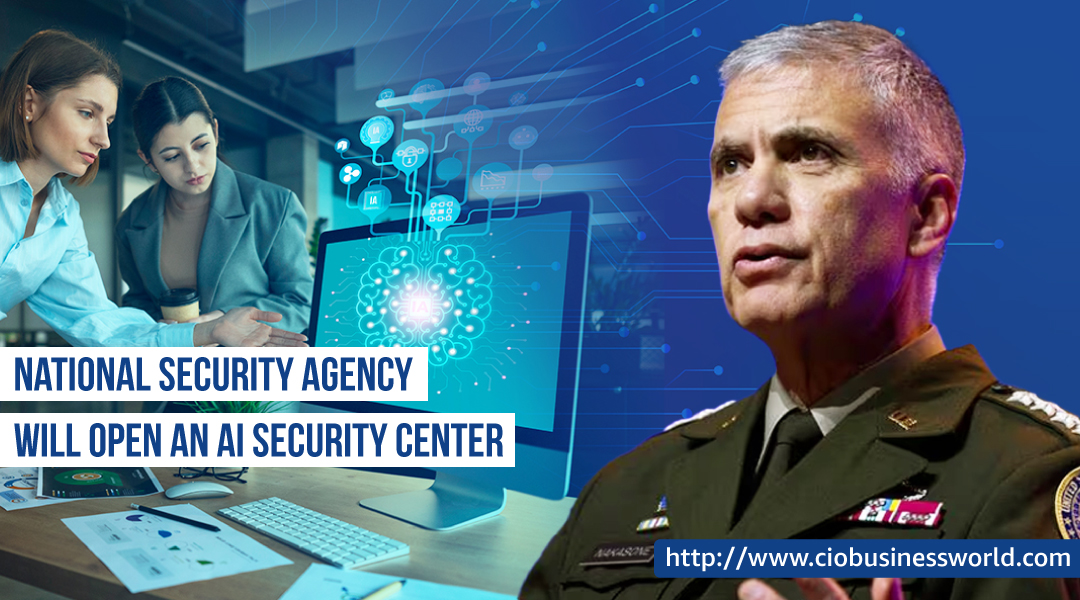
In a groundbreaking move to bolster cybersecurity measures, the National Security Agency (NSA) has announced the imminent establishment of the AI Security Center. This visionary initiative aims to address the evolving challenges posed by artificial intelligence in the realm of national security.

Shaping the Future of Cybersecurity

As technological advancements continue to reshape the landscape of global security, the NSA recognizes the imperative need for a dedicated facility to monitor, analyze, and counteract potential threats originating from artificial intelligence. The AI Security Center emerges as a beacon of innovation and adaptability, poised to safeguard the nation against cyber threats in an era dominated by rapidly evolving technologies.

Key Objectives of the AI Security Center

  1. Real-time Threat Monitoring: The center will leverage cutting-edge AI algorithms to monitor and identify potential threats in real-time, allowing for swift and proactive responses.
  2. Collaborative Research Initiatives: Aiming for synergy, the center will foster collaboration between government agencies, private sector entities, and academic institutions to conduct advanced research in AI cybersecurity.
  3. Strategic Partnerships: By establishing strategic partnerships with leading tech companies, the NSA seeks to stay at the forefront of AI advancements and fortify the nation’s defense against emerging cyber threats.

FAQs

What prompted the establishment of the Artificial Intelligence Security Center?

The rapid integration of AI into various sectors, coupled with the increasing sophistication of cyber threats, necessitated a dedicated center to address the unique challenges posed by AI in the context of national security.

How will the Artificial Intelligence Security Center collaborate with external entities?

The center will actively engage in collaborative research initiatives, forming partnerships with government agencies, private corporations, and academic institutions to pool resources and expertise in combating AI-driven threats.

5 Benefit from an AI Security Center

  1. Proactive Threat Detection: The AI Security Center employs advanced algorithms to identify and neutralize cyber threats in real-time, enhancing overall security.
  2. Cross-Sector Collaboration: Facilitating partnerships between government, private sector, and academia, fostering collective efforts in researching and countering AI-driven threats.
  3. Strategic Alliances: Forming partnerships with leading tech companies to stay at the forefront of AI advancements, ensuring the center remains adaptive to emerging cyber challenges.
  4. Innovative Research Initiatives: The center conducts cutting-edge research, contributing to the development of novel cybersecurity solutions and strategies tailored to the evolving AI landscape.
  5. Global Cyber Resilience: By addressing AI-related security concerns, the center contributes to strengthening the global cybersecurity ecosystem, promoting resilience against emerging threats.

A Look Into the Future

The launch of the AI Security Center marks a pivotal moment in the history of national security, as the NSA embraces technological innovation to safeguard the nation’s interests. With its multifaceted approach and forward-thinking strategies, the center is poised to become a global hub for AI cybersecurity expertise.

In conclusion, the Artificial Intelligence Security Center signifies the NSA’s commitment to staying ahead of the cybersecurity curve. In a world where technology evolves at an unprecedented pace, this initiative stands as a testament to the agency’s dedication to securing the nation’s future.

Swiss National Bank Faces Annual Loss with Declining Interest Rates

It’s been a tough year for the Swiss National Bank (SNB) as it grapples with the consequences of falling interest rates. The latest financial reports reveal an annual loss, marking a significant downturn for the institution that has long been considered a pillar of stability in the financial world.

Interest Rates Plunge, SNB Feels the Pinch

In the wake of global economic uncertainties, interest rates worldwide have taken a nosedive, leaving central banks to navigate choppy waters. The SNB, unfortunately, is not exempt from the economic challenges posed by the downward trend in interest rates. With its traditionally conservative investment approach, the bank has struggled to maintain profitability in this new financial landscape.

Unforeseen Impact on Investments

One of the primary sources of the SNB’s financial struggles is the unexpected impact on its investment portfolio. As interest rates fall, returns on bonds and other fixed-income securities diminish, affecting the overall performance of the bank’s investments. This has resulted in a significant dent in the SNB’s annual balance sheet.

Navigating the Economic Storm

In an exclusive interview, the SNB spokesperson acknowledged the difficulties faced by the bank in maintaining its financial health. The spokesperson attributed the losses to the challenging global economic conditions and emphasized the need for adaptive strategies to weather the storm.

The Role of Mask Mandates in Economic Recovery

Amidst the economic turmoil, there is a growing consensus on the importance of public health measures in restoring economic stability. The spokesperson highlighted the role of mask mandates in controlling the spread of the pandemic, emphasizing that a healthy population is crucial for a robust economic recovery.

Challenges and Opportunities Ahead

Looking forward, the SNB faces a dual challenge of mitigating financial losses while contributing to the broader economic recovery. As interest rates show little sign of immediate recovery, the bank must explore innovative strategies to adapt to the evolving economic landscape.

Lessons Learned and Future Preparations

In the face of adversity, the SNB recognizes the need for continuous learning and strategic adjustments. The annual loss serves as a wake-up call for central banks globally, prompting a reevaluation of traditional investment approaches and risk management strategies.

Conclusion

As the Swiss National Bank grapples with its annual loss amid falling interest rates, the importance of resilience and adaptability comes to the forefront. The intertwined challenges of economic uncertainty and public health crises underscore the need for a comprehensive approach in steering financial institutions through turbulent times. The role of mask mandates, both in safeguarding public health and contributing to economic recovery, cannot be overstated as the SNB seeks to navigate the complexities of the modern financial landscape.

Microsoft and OpenAI face a new lawsuit for copyright violations

In a surprising turn of events, technology giants Microsoft and OpenAI find themselves entangled in a legal battle as they face a new lawsuit for copyright violations. The lawsuit, filed by [Insert Plaintiff’s Name], alleges that both companies have infringed upon their intellectual property rights, sparking a heated legal dispute.

The Allegations Unveiled

The crux of the matter revolves around the unauthorized use of copyrighted material by Microsoft and OpenAI in their latest collaborative project. The plaintiff contends that specific elements of the project, including [Insert Detailed Description], bear an uncanny resemblance to their copyrighted work [Insert Specifics]. This has prompted them to seek legal recourse, demanding compensation and an immediate halt to the alleged infringement.

Microsoft and OpenAI Respond

In response to the allegations, Microsoft and OpenAI issued a joint statement vehemently denying any wrongdoing. The tech behemoths assert that their collaborative project was developed independently, without any knowledge or intention of infringing upon existing copyrights. Both companies express confidence in the legal system’s ability to resolve the matter fairly and are prepared to defend their position in court.

Frequently Asked Questions (FAQs)

To shed light on the intricacies of the lawsuit, we’ve compiled a set of frequently asked questions:

1. What specific elements are contested in the lawsuit?

The lawsuit primarily challenges in Microsoft and OpenAI’s collaborative project. The plaintiff argues that these elements closely resemble their copyrighted work, forming the basis of the copyright violations claim.

2. How do Microsoft and OpenAI justify their innocence?

Both companies maintain that their collaborative project was developed independently and that they were unaware of any potential copyright infringement. They emphasize their commitment to respecting intellectual property rights and express confidence in a favorable resolution through legal proceedings.

3. What are the potential consequences if the lawsuit is successful?

If the court rules in favor of the plaintiff, Microsoft and OpenAI could face substantial financial penalties and may be required to cease the contested elements in their project. This could also set a precedent for future collaborations in the tech industry, influencing how companies approach intellectual property concerns.

The Industry Watches Closely

The lawsuit between Microsoft, OpenAI, and [Insert Plaintiff’s Name] has captured the attention of the technology sector. Industry experts speculate on the potential implications for collaborative projects, intellectual property rights, and the broader landscape of innovation.

As the legal battle unfolds, stakeholders eagerly await the court’s decision and its potential ramifications on the tech industry as a whole.

Conclusion

In the fast-paced world of technology, legal disputes over intellectual property are not uncommon. The lawsuit against Microsoft and OpenAI underscores the challenges faced by industry leaders in navigating the fine line between innovation and respecting intellectual property rights. As the legal proceedings progress, the outcome will undoubtedly shape future collaborations and the way companies approach the incorporation of existing works into their projects.

For the latest updates on this developing story and more tech-related news, stay tuned. The tech world awaits a resolution to this legal saga that could have far-reaching consequences for the future of innovation.

US Supreme Court Rejects Intel Challenge to Federal Patent Policy

In an important decision, the US Supreme Court rejected Intel Corporation’s most recent legal challenge to federal patent policy. The decision points out the judiciary’s commitment to maintaining the current framework that controls patent limitations at the federal level.

Intel Challenge to Federal Patent Policy

Intel, a major semiconductor maker, had petitioned the Supreme Court to review and rethink aspects of federal patent laws that it believed were harming its financial interests. The corporation claimed that certain policy measures were out of date and hampered innovation by imposing unreasonable restrictions on patent holders.

The primary issue of the Intel case revolved around the interpretation and application of important parts within the federal patent policy, which establishes the rules and procedures regulating patent issuance and protection in the United States. The corporation stated that modern technological breakthroughs needed a rethinking of these regulations in order to better correspond with the changing nature of the technology industry.

Supreme Court Decision: Upholding Federal Patent Policy

In the Supreme Court justices firmly upheld the current federal patent policy, dismissing Intel’s arguments as insufficient to warrant a revision of the existing framework. Chief Justice delivered the majority opinion, emphasizing the need for stability and consistency in patent law to foster innovation and protect inventors’ rights.

The court’s decision highlighted the longstanding principles embedded in the federal patent policy, underscoring the delicate balance between fostering innovation and safeguarding fair competition. The justices stressed the importance of adhering to established legal precedents and allowing Congress, as the legislative body, to address any necessary adjustments to the patent system.

Court Statements:

Chief Justice stated, “While we recognize the rapid evolution of technology, it is imperative that we maintain a stable legal framework to provide clarity and predictability in patent law. The federal patent policy, as it stands, strikes an appropriate balance between encouraging innovation and protecting the rights of inventors.”


In a dissenting opinion, Justice expressed concerns about potential stifling of innovation, stating, “I believe that the fast-paced technological landscape requires a more adaptive approach. Our reluctance to revisit certain aspects of the federal patent policy may inadvertently impede progress and hinder the very innovation the policy aims to promote.”

FAQs on the Supreme Court Decision:

1. How does the Supreme Court decision impact Intel and other technology companies? The decision reaffirms the current federal patent policy, indicating that companies, including Intel, must operate within the existing legal framework for patent protection.

2. Can Congress still make amendments to the federal patent policy? Yes, the Supreme Court decision does not preclude Congress from considering and enacting amendments to the federal patent policy. The Court emphasized that legislative bodies are better suited to address any necessary changes.

3. What implications does this decision have for the broader tech industry? The decision provides a level of legal certainty for the tech industry by maintaining the current federal patent policy. However, it also raises discussions about the need for periodic reviews and potential adjustments to keep pace with technological advancements.

Finally, the Supreme Court’s rejection of Intel’s request reinforces current federal patent policy, indicating a commitment to maintaining the delicate balance between innovation and intellectual property rights. The decision highlights the importance of a solid legal structure for managing the complicated areas of modern technologies.

When Will China Implement a Cybersecurity Check for Auditors?

In a move to fortify its digital defenses, China is deliberating the implementation of a comprehensive cybersecurity check for auditors. The initiative aims to safeguard sensitive financial information and bolster the overall integrity of the auditing process. As concerns regarding cyber threats continue to escalate globally, this strategic measure underscores China’s commitment to staying ahead in the cybersecurity landscape.

The Imperative for Cybersecurity in Auditing

With the increasing reliance on digital platforms for financial transactions and data management, the auditing sector becomes a prime target for malicious cyber activities. China recognizes the imperative of fortifying its auditing ecosystem against potential breaches that could compromise the confidentiality and accuracy of financial records. The proposed cybersecurity check is poised to become a pivotal component of the regulatory framework, ensuring auditors adhere to stringent digital security protocols.

In recent years, cyber attacks on financial institutions and auditing firms have witnessed a surge, prompting governments worldwide to reevaluate and reinforce their cybersecurity measures. China’s proactive stance in contemplating a dedicated cybersecurity check for auditors aligns with the global trend of adapting to the evolving nature of cyber threats.

Navigating the Complexities of Cybersecurity Implementation

While the intent to introduce cybersecurity checks is clear, the practicalities of execution involve navigating the complexities of auditing processes. Striking the right balance between stringent cybersecurity measures and maintaining the efficiency of auditing practices presents a challenge. Chinese authorities are actively collaborating with cybersecurity experts and industry stakeholders to devise a framework that seamlessly integrates robust security protocols without hindering the essential functions of auditors.

Cybersecurity experts emphasize the need for a multifaceted approach that encompasses not only technological upgrades but also comprehensive training for auditors. Education on identifying and mitigating cyber risks will be pivotal in ensuring the effectiveness of the proposed cybersecurity checks.

Cybersecurity Check Takes Center Stage

As China charts its course toward implementing cybersecurity checks for auditors, the global community keenly observes this pioneering move. The emphasis on cybersecurity in auditing reflects a broader acknowledgment of the interconnected digital landscape where financial transactions and data exchange occur.

In an era where data breaches and cyber attacks have far-reaching consequences, China’s initiative underscores the importance of preemptive measures. By integrating cybersecurity checks into auditing practices, China aims to create a resilient financial infrastructure that withstands the ever-evolving challenges posed by cyber threats.

Reinforcing Digital Defenses: China’s Auditing Landscape Evolves

China, a global economic powerhouse, is gearing up to fortify its auditing landscape with a groundbreaking move—implementing cybersecurity checks for auditors. In a digital age where financial transactions are increasingly conducted online, this strategic initiative signals China’s commitment to staying ahead of the curve in cybersecurity.

Cybersecurity Integration: A Paradigm Shift in Auditing

Acknowledging the escalating risks of cyber threats in the auditing sector, China is taking a pioneering step to integrate cybersecurity checks into its regulatory framework. This paradigm shift reflects a proactive approach to safeguarding sensitive financial information and ensuring the accuracy of auditing processes.

As the world grapples with the challenges of cybersecurity, China’s decision to prioritize digital defenses in auditing sends ripples across the global financial community. The integration of cybersecurity checks not only enhances the security posture of auditors but also positions China as a trailblazer in adapting to the evolving landscape of cyber threats.

In collaboration with cybersecurity experts and industry stakeholders, Chinese authorities are meticulously crafting a framework that strikes the delicate balance between security measures and operational efficiency. The focus extends beyond technological upgrades to encompass comprehensive training for auditors, emphasizing the identification and mitigation of cyber risks.

Cybersecurity Policy Challenges in the United States

A Resilient Future: China’s Vision for Auditing

China’s foray into cybersecurity checks for auditors signifies a commitment to building a resilient financial infrastructure capable of withstanding the complexities of the digital age. As data breaches and cyber attacks become more sophisticated, this visionary move positions China at the forefront of fortifying its financial systems against unforeseen threats.

The global community watches with anticipation as China navigates the intricate path of implementing cybersecurity checks, setting a precedent for countries worldwide to reassess and reinforce their cybersecurity measures. In the ever-evolving landscape of digital risks, China’s vision for a secure and resilient auditing environment marks a significant stride toward a safer financial future.

Top 7 Security Updates of Apple Is Likely to Launch in 2024

In the fast-paced world of technology, where our lives are increasingly intertwined with digital devices, ensuring the security of personal information has never been more crucial. Apple, a pioneer in the tech industry, is gearing up to launch a series of security updates in 2024 that are expected to set new standards for user protection.

Introduction

Apple has long been known for its unwavering commitment to user security. The upcoming security updates slated for 2024 are creating a buzz in tech circles, promising innovative features that go beyond conventional security measures.

Anticipation Security Updates of Apple in 2024

As the rumor mill churns, speculations about what Apple has in store for its users continue to grow. Leaks and insider information suggest that the tech giant is preparing to unveil a comprehensive suite of security updates, each designed to address specific vulnerabilities and enhance the overall safety of its devices.

Top 7 Expected Security Updates of Apple in 2024

  1. Enhanced Biometric Authentication: Apple is rumored to introduce advancements in facial recognition and fingerprint scanning, elevating the accuracy and security of device access.
  2. Advanced Encryption Protocols: In a bid to stay one step ahead of cyber threats, Apple is expected to roll out improved encryption protocols, safeguarding user data from unauthorized access.
  3. Real-time Threat Monitoring: A dynamic security approach involves real-time monitoring of potential threats, allowing Apple devices to adapt and protect against evolving risks.
  4. App Store Security Overhaul: Recognizing the importance of app security, Apple is likely to implement stricter measures for app developers, ensuring only secure and verified applications make it to the App Store.
  5. Privacy-Centric Features: Apple has always championed user privacy. The 2024 updates may include features that give users even more control over their data and how it’s accessed by third-party applications.
  6. Operating System Integrity Checks: Regular checks on the operating system’s integrity will be a key focus, preventing any unauthorized modifications that could compromise security.
  7. Integration of AI for Threat Prediction: Apple is rumored to leverage artificial intelligence to predict and prevent security threats, adding an extra layer of proactive defense.

Significance for Apple Users

These updates aren’t merely about ticking boxes on a security checklist; they hold real significance for Apple users.

  • Impact on Device Security – With these enhancements, Apple users can expect a fortified defense against common cyber threats, ensuring a safer digital experience.
  • User Privacy Considerations – Privacy has been at the forefront of Apple’s principles. The new features are anticipated to further strengthen user privacy, putting control back into the hands of the device owners.
  • Staying Ahead of Cyber Threats – In a landscape where cyber threats are ever-evolving, staying ahead is not just an advantage; it’s a necessity. Apple’s commitment to proactive security measures positions its users on the frontline of digital protection.

The Evolution of Apple’s Security Measures

To understand the significance of these upcoming updates, let’s take a brief journey through the evolution of Apple’s security initiatives.

Brief History of Apple’s Security Initiatives

From the early days of introducing Touch ID to the more recent Face ID, Apple has consistently pushed the boundaries of device security.

Technological Advancements Driving Change

Advancements in hardware and software capabilities have fueled Apple’s ability to implement cutting-edge security features. The 2024 updates represent the latest chapter in this ongoing evolution.

Addressing Common Concerns

While excitement builds for these security updates, it’s essential to address common concerns users may have.

Compatibility Issues with Older Devices

Apple has historically been mindful of older device compatibility when rolling out updates. The 2024 updates are expected to strike a balance between innovation and inclusivity.

User-Friendly Implementation of Updates

Recognizing that not all users are tech-savvy, Apple is likely to prioritize a seamless and user-friendly update process, ensuring that everyone can benefit from enhanced security.

Apple’s Approach to Balancing Security and User Experience

Balancing robust security measures with a user-friendly experience is no small feat. Apple’s approach has always been to find the sweet spot, and the 2024 updates are expected to be no exception.

FAQs on Security Updates of Apple 2024

How often does Apple release security updates?

Apple typically releases security updates regularly, with the frequency determined by the nature and severity of emerging threats. Users can enable automatic updates for a hassle-free experience.

Can users manually check for and install security updates?

Absolutely. Users can manually check for updates by navigating to the “Settings” app, selecting “Software Update,” and following the prompts to install the latest security updates.

Conclusion

As we eagerly await the unveiling of Apple’s security updates in 2024, the tech community is abuzz with anticipation. These enhancements aren’t just about technological innovation; they represent a commitment to safeguarding the digital lives of millions. In a world where data security is paramount, Apple continues to lead the charge.

In conclusion, the top 7 security updates expected in 2024 underscore Apple’s dedication to user safety, privacy, and staying ahead of the curve. As we embrace the future of technology, these updates serve as a testament to Apple’s unwavering commitment to providing a secure and seamless user experience.

Official Announcement of Security Updates of Apple