Advertise With Us

Prabowo Turns Spotlight on Tycoons Amid Indonesia’s Turmoil

Prabowo Subianto, Indonesia’s president-elect and former military, has suggested a new economic policy by targeting the country’s wealthiest tycoons. His transfer comes in the aftermath of fatal unrest, prompting both hopes and fears about how this change may transform Indonesia’s power structure.

Prabowo, long regarded as a polarizing figure, appears determined to curb the influence of a small group of billionaires who have traditionally held sway over the nation’s political and financial landscape. Analysts suggest this could mark a pivotal moment in Indonesia’s efforts to rebalance wealth and influence.

Prabowo’s Economic Rebalancing Strategy

At the heart of Prabowo’s push is a plan to diminish the dominance of elite business groups that have benefited disproportionately from Indonesia’s rapid growth. By signaling stricter oversight and accountability, Prabowo is positioning himself as a champion of broader economic inclusion.

Political observers note that his strategy may also serve a dual purpose: consolidating his power by sidelining rivals who rely on these tycoon networks. The move is seen as both a reformist agenda and a calculated political maneuver.

The recent unrest, which left dozens dead, has intensified public demand for change. Protesters expressed frustration over economic inequality and the perception that government policies primarily serve the wealthy. This unrest has provided Prabowo with the urgency to act.

Pressure on Central Bank and Market Reactions

Beyond targeting billionaires, Prabowo is also putting pressure on Indonesia’s central bank to adopt more aggressive measures to stabilize the economy. His stance suggests a willingness to intervene directly in monetary policy, an approach that could unsettle financial markets.

Business leaders, while cautious, have begun recalibrating their expectations. Some fear that sweeping reforms could disrupt investment flows, while others see opportunity in policies that promise fairer competition and stronger domestic growth.

International investors are watching closely. Indonesia’s stability is crucial for Southeast Asia’s economic outlook and Prabowo’s policies could either enhance or undermine confidence depending on their execution.

Sidelining Political Rivals

In addition to targeting economic elites, Prabowo has been maneuvering to reduce the influence of political rivals. By reshaping alliances and controlling access to financial resources, he is steadily consolidating his authority.

Critics warn that these moves could blur the line between reform and authoritarian control. Supporters, however, argue that strong measures are necessary to dismantle entrenched interests that have hindered progress for decades.

The Road Ahead

Prabowo’s approach reflects both ambition and risk. His bid to rebalance Indonesia’s economy could set the stage for more inclusive growth, but it also risks sparking resistance from powerful business groups and political opponents.

As Indonesia navigates its current unrest and transitions to Prabowo’s leadership, the country faces a defining moment. Whether his measures lead to greater equity or deeper divisions will shape not just the economy, but the future of democracy in Southeast Asia’s largest nation.

Also read: The Rise of Battery Energy Storage Systems (BESS) in Business Sustainability

Paul Morley: Shaping the Future of Data at Nedbank

Every meaningful transformation begins with a question not just about what technology can do, but about why it truly matters. For Paul Morley, Data Executive overseeing Enterprise Data Operations at Nedbank, that question was never purely technical. Whether the mission was building an advanced fraud detection model or deploying a next-generation customer chatbot, Paul returned time and again to three guiding principles: transparency, purpose, and trust.

He challenged his teams to create systems that are not only powerful, but explainable. Could they illuminate the hidden workings of data, so that stakeholders felt confidence, not confusion? Could they ensure that every project, from cloud migrations to conversational AI, stayed laser-focused on real business goals, decisions and outcomes that actually moved the needle for Nedbank’s clients and stakeholders? Above all, Paul believes that safeguarding meaning, not just minimize data errors, to protect the context and intent behind every data-driven decision is critical.

But as technologies became more sophisticated, Paul realized the real revolution wasn’t in the machines, but in the mindset. He understood that the greatest platforms in the world could not deliver results if teams remained siloed or hesitant to experiment. True innovation demanded semantic understanding that ensures  machines understood not just language and numbers, but the complex nuances of human meaning and context. Paul champions solutions where data and AI help humans become better versions of themselves, not just replicate their habits.

When Paul led Nedbank’s transformative migration of its SAS enterprise into the cloud, he understood it was more than a technical switch, it represented a fundamental shift in thinking across the enterprise. For him, reducing technical friction was not enough; true progress meant restoring relevance to analytics and making data an engine for authentic business value.

Today, in an era where speed alone is no longer the highest virtue, Paul continues to lead with an unwavering commitment to fidelity and understanding, redefining what’s possible when data, technology, and human insight work in true harmony.

Translator of Complexity in the Data Age

Paul didn’t set out to become “the data guy.” His career was driven by the evolution of technology within business from digitizing traditional processes, such as retiring the use of checkbooks, to building fully digital operations with innovations like internet and phone banking. Naturally, this journey led him into the world of data as businesses became increasingly data-centric. Throughout his progression from automation and digitization to a data-first mindset, Paul was consistently fascinated by the intricate connections between systems, processes, and behaviors.

Early on, he recognized that data is not merely a collection of numbers, but a language capable of carrying varied meanings depending on who interprets it. This revelation drew him deeper into the realm of data and data warehousing, a path that proved to be not just challenging, but also deeply rewarding. Paul’s professional insight centers around the realization that data operates as the core language of economic, human, and technological systems. He was never just enticed by the technical aspects of algorithms and analytics; what truly captivated him was the way data could shift understanding and transform meaning according to the context and the person interpreting it.

Paul views the semantic flexibility of data as one of its most powerful attributes—a quality that, if unacknowledged, could lead to confusing noise for insight. Through his experience, he has learned that his role is less about simply building dashboards or technical reports and more about decoding the underlying intent behind every dataset. For Paul, the “human story” that exists within the numbers has always provided his guiding compass.

A Translator and Explorer

To Paul, job titles alone say little about one’s real impact. He defines himself as a practical guardrail, a source of clarity amid the overhyped, fast-moving transformation being ushered in by AI. At his core, Paul is a curious explorer, a translator weaving understanding between technological complexity and real-world meaning. His mission is to make data approachable and empowering, not intimidating, for everyone regardless of their technical background.

Paul thrives in the intersection of disciplines: between technology and human behavior, between vision and execution. He believes that this in-between space is where genuine breakthroughs occur. For him, leadership finds its highest form in the translation and simplification of complex issues, going beyond simple language translation to make abstract concepts concrete and accessible. Whether dealing with regulations, new data models, or issues of data custodianship, Paul seeks to render complexity simple, helping it become understandable and actionable for all.

Leadership Rooted in Connection and Meaning

Paul views creative and critical thinking as core attributes, enabling him to bridge gaps between perspectives that are often fragmented or misunderstood. He recognizes that while technology is frequently associated with code, systems, and infrastructure, the reality now is that data lies at the heart of all modern enterprise. Paul is dedicated to redefining leadership for the data era, one where meaning, context, and clarity serve as the foundation to guide organizations ethically and effectively into the future.

Human-Centered Innovation in AI and Data

Paul envisions a future where machines do more than simply replicate human actions; they empower us to become better versions of ourselves. He is driven by the conviction that AI systems must understand humans not only statistically but semantically, bridging the critical “semantic abyss.” For Paul, true innovation carries intent, clarity, and human context; without these, technological advances risk generating nothing more than faster confusion. He believes the real promise of AI lies in revelation illuminating the unknown rather than mimicking existing patterns. In this era of rapid technological growth, Paul highlights that the greatest assets are fidelity and understanding, grounded in empathy. Machines alone cannot create a better world, but people can, when supported by technology that comprehends what “better” truly means. 

At Nedbank, Paul led a transformative move of the SAS enterprise into the cloud, which he describes not merely as a migration but a profound mindset shift, enabling faster iteration, deeper collaboration, and a focus on outcomes over outputs. Yet, he recognizes that innovation in large institutions is not just about technical modernization it demands cultural renewal. Even the most advanced platforms cannot create change if teams remain siloed or hesitant to experiment. Paul consistently views innovation as the granting of permission: permission to ask deeper questions, to challenge defaults, and to design solutions centered on human needs. For him, progress is not merely about reducing friction but about restoring relevance.

Human-Centered Leadership in Trustworthy AI and Data Innovation

Paul champions the imperative to keep humans at the core of AI and data-driven solutions, insisting that AI must serve context rather than override it. Whether building fraud detection models or customer chatbots, he rigorously advocates for three foundational principles: transparency ensuring models and systems can be explained clearly; purpose – aligning every solution with genuine business intent; and trust guarding meaning and coherence beyond mere error reduction. Paul introduces the concept of “semantic guardrails” to emphasize that confidence without comprehension is perilous, urging teams to verify alignment not just accuracy. He warns against the prevalent rush to automate efficiency at the expense of ethics, insisting that if no one on the team understands why an AI acts as it does, innovation is forfeited and trust sacrificed. 

For Paul, trust is not an optional feature but a fundamental design principle, and semantic guardrails embody a commitment to fidelity and coherence, not constraints. He insists that innovation must begin with language deeply understanding and translating real business problems into data questions, then reframing data insights back into business language. This iterative, collaborative cross-functional process builds trust and avoids failures born of misaligned intent rather than technical flaws. Paul sees solving challenges with data less as a technical puzzle and more as an exercise in understanding, emphasizing that agile iteration should be purposeful learning, deepening insight rather than merely accelerating noise. His approach situates human insight as the essential compass guiding AI and data systems toward meaningful and ethical outcomes.

Why Trust is the Foundation of Responsible AI

Paul views the transformative potential of data and AI in banking as enormous but only if harnessed thoughtfully and responsibly. He believes these technologies can make banks more personal, proactive, and protective by enabling hyper-personalized financial advice, real-time fraud prevention, and predictive risk management. However, Paul emphasizes that this power carries immense responsibility, as banks manage not just money but trust itself. For him, AI is not a substitute for human judgment but a critical tool to augment it, delivering clarity, speed, and insight to decision-making processes.

Having led key digital and data-driven transformations at Nedbank including pioneering cloud deployments, Paul highlights his most significant contribution as fostering a culture of curiosity, learning, and empowerment across all organizational levels. He stresses that true transformation extends beyond technology implementation to reshaping belief systems and organizational mindsets. In his view, technology is the hardware of transformation, but culture is the firmware that enables enduring change. Governance, therefore, should not merely focus on risk mitigation but act as a lever for value amplification.

Paul stresses the importance of balance and discernment in deploying real-time analytics, recognizing that while it can drive profit and growth, it can also create tremendous risk if misapplied. He cautions against hype-driven adoption of shiny new technologies without critical reflection on their real benefits and pitfalls. The future of financial services, according to Paul, will be determined less by the sheer volume of data and more by the wisdom with which it is applied embedding foresight and accountability with deep contextual understanding.

Looking ahead, Paul is particularly excited about two emerging trends. First, the rise of contextual AI systems that go beyond reactive outputs to truly understand user context and intent, enabling more human-centric experiences. Second, decentralized learning models that democratize access to sophisticated tools, empowering everyday users with capabilities once reserved for experts. He also sees the development of cross-industry ontologies shared frameworks that allow disparate systems to understand and interoperate with each other, as potentially revolutionary for financial interoperability and seamless customer experiences.

In Paul’s vision, the digital economy’s connective tissue will be these ontologies, enabling banks and financial services providers to treat customers as whole persons rather than fragmented data points. This, coupled with contextual AI, will unlock a new era of efficiency and empathy in financial services where technology serves meaning and understanding, not just raw data processing. Ultimately, Paul champions a future where innovation is deeply human, anchored in trust, and driven by clarity and responsibility.

Championing Human-Centered Clarity

Paul advocates for a leadership approach grounded in curiosity, humanity, and clarity, deliberately rejecting needless complexity and hype. He believes true impact lies not in sounding smart, but in making technology genuinely work for people through attentive listening, simplification, and a steadfast focus on real-world needs. For Paul, clarity is a leader’s strongest asset far more valuable than volume or bravado and the best outcomes come from building trust before deploying technology, rooting every solution firmly in meaning and understanding. He emphasizes the importance of pausing before rushing to solve problems, favoring awareness, empathy, humility, and integrity over arrogance or haste. 

As artificial intelligence accelerates across industries, Paul’s mission is to ensure that speed never outpaces intentionality insisting that ethics, semantics, and context must be embedded within every system to avoid automating meaningless or harmful outcomes. He is deeply committed to the moral dimension of data work, believing technologists must constantly ask whether they are reinforcing the status quo or actively shaping a better world. For Paul, trust is the ultimate foundation for scalable and lasting innovation both at Nedbank and throughout the broader data community.

Explore the full edition here:  Top Innovative Leaders in Data & Analytics Powering AI Innovation, 2025

Meta Stops Suicide Conversations with AI Chatbots

In tech world where technology is increasingly reaching out to young people, Meta has taken an important step to prevent its AI chatbots from discussing suicide with teenagers. This policy modification is intended to lessen the likelihood of creating sensitive mental health circumstances in impressionable minds.

Meta’s move comes amid increased worry over how AI-powered tools address mental health issues. Meta hopes that by limiting chatbot answers to suicide among young users, it can direct vulnerable individuals to safer, more appropriate channels for assistance.

Meta’s Policy Shift on AI Conversations

Meta’s updated guidelines instruct its AI systems to refrain from engaging in suicide-related conversations when interacting with users who appear to be under 18. Instead, the chatbots will provide calming messages and direct teens to professional mental health services, such as hotlines or crisis text lines.

Under the new policy, if a conversation veers toward self-harm or suicidal thoughts, the AI chatbot will pivot instantly. The system is engineered to focus on empathy and assistance, without engaging in detailed discussions that might inadvertently cause harm.

This measure reflects growing industry emphasis on responsible AI deployment, especially concerning young people’s mental health. Experts had long warned that unsupervised AI conversations on sensitive topics could lead to emotional distress for minors.

Meta’s promise also involves regular inspections and modifications to the chatbot’s behavior to ensure compliance and efficacy. The startup intends to employ feedback loops from users and mental health specialists to improve the system over time. As AI technologies advance, so are the complications of protecting mental health particularly among adolescent users.

More Than Just a Safety Net

Although limiting chatbot conversations on suicide may sound restrictive, Meta emphasizes that the measure is not about censorship. Instead, it’s presented as a protective layern one that avoids potentially dangerous discussions in favor of redirecting teens to trusted human-led support.

Meta’s team also stated that the policy will come with training improvements for AI, make sure the chatbots express empathy correctly avoid triggering language, and respond immediately to crisis indicators. The company is rolling out the changes incrementally, monitoring user interactions closely before full-scale implementation.

Meta’s policy revision

Meta’s policy revision is straightforward but powerful: when it comes to teen mental health, the company chooses caution and connection over risk. Meta stops AI chatbots from deep discussions on suicide with minors, ensuring vulnerable users are guided toward professional help instead.

With “Meta stops AI chatbots” as our guiding keyword, this news is optimised for clear understanding, search visibility & most importantly teen safety.

Also Read: Kenya’s Inflation Jumps in August on Food and Transport Costs

Kenya’s Inflation Jumps in August on Food and Transport Costs

Kenya’s inflation increased in August, putting additional strain on household budgets as rising food and transportation costs pushed prices higher. The increase has sparked anxiety among economists, traders, and families alike, as living costs remain a major burden for the East African economy.

Kenya’s Inflation Trends and Drivers

Kenya’s national statistics agency reported that overall inflation quickened compared to July, largely fueled by higher food prices and transport costs. Items such as maize flour, vegetables, and cooking oil recorded significant increases, worsening conditions for low- and middle-income households who spend a majority of their income on food.

Transport, another major driver, rose as fuel prices edged up. Increased fuel costs not only affected public transportation fares but also contributed to the rising cost of goods movement across the country. This has a ripple effect on retail markets, pushing up prices even further.

Household Struggles Amid Rising Costs

For many Kenyans, the inflation surge has translated into difficult choices in daily life. Families are being forced to cut back on non-essential purchases, while some households are prioritizing cheaper alternatives in food markets. Urban residents, in particular, are feeling the pinch as transport costs take a bigger share of their monthly income.

The Central Bank of Kenya (CBK) has been closely monitoring these developments. While inflation remains within the government’s target band, the pace of increase is a red flag that could warrant intervention if the trend continues.

Broader Economic Impact

Economists note that rising inflation can have long-term effects on the country’s economic growth. Higher costs reduce purchasing power, affecting both consumers and businesses. Small enterprises are especially vulnerable, as they rely heavily on transport and food supply chains to maintain stable pricing.

At the same time, external pressures such as global oil prices and currency fluctuations add to the uncertainty. Kenya imports a significant portion of its fuel, making the economy sensitive to international market shifts. A weaker shilling further compounds the issue, raising import costs across multiple sectors.

Government and Policy Response

The Kenyan government has expressed its commitment to stabilizing prices, with measures such as subsidies and strategic reserves under consideration. However, experts warn that short-term solutions may not address the structural challenges driving inflation. Investment in agriculture, energy, and infrastructure is seen as key to reducing recurring inflationary cycles.

Analysts believe that price increases will continue until the fourth quarter of the year unless global energy prices fall or domestic food supplies stabilize. Kenyans are bracing themselves for rising costs as they manage the economic crisis.

What is Biohacking? Meaning, Diet and Women’s Guide

Biohacking: Meaning, Diet, and Lifestyle for Women

Biohacking has become a growing trend in health and wellness. People use it to optimize performance, improve energy, and support long-term health.

It combines nutrition, technology, and lifestyle changes to upgrade the body and mind.

What is Biohacking?

What is Biohacking

Biohacking is the practice of making small, measurable changes in lifestyle to improve physical and mental health.

It can be as simple as adjusting diet or as advanced as using wearable devices and genetic testing.

The core idea is self-improvement through science, nutrition, and daily habits. Many use biohacking to increase focus, improve sleep, and maintain long-term wellness. Unlike quick fixes, it focuses on long-term optimization.

Biohacker Definition

A biohacker is someone who experiments with nutrition, exercise, and technology to improve health.
They track progress using data such as sleep patterns, blood sugar, and energy levels.
The goal is to understand the body better and make informed decisions.

Key Areas of Biohacking

Biohacking usually involves:

  • Nutrition and diet planning
  • Exercise and physical conditioning
  • Sleep optimization
  • Stress management
  • Use of supplements or technology
    Together, these areas help create a sustainable approach to health.

The Biohacking Diet

Food is central to biohacking. The right diet fuels energy, mental clarity, and recovery.
A biohacking diet focuses on nutrient-dense, whole foods and strategic eating patterns.
Many biohackers use intermittent fasting, low-carb diets, or plant-rich approaches to boost performance.

This diet is not one-size-fits-all. Instead, it adapts to the person’s needs, lifestyle, and goals.
Tracking meals and noticing patterns in energy or mood can help refine choices.

Foods That Support Biohacking

Common foods in a biohacking diet include:

  • Leafy greens and colorful vegetables
  • Grass-fed meats and wild fish
  • Nuts, seeds, and healthy fats like olive oil
  • Fermented foods for gut health
    These provide steady energy and reduce inflammation.

Biohacking Supplements

Supplements are often used to support performance, including:

  • Omega-3 fatty acids for brain health
  • Vitamin D for immunity
  • Magnesium for relaxation and sleep
  • Adaptogens like ashwagandha for stress balance
    Supplements should be chosen carefully and preferably guided by lab tests.

Biohacking for Women

Women have unique health needs due to hormonal changes and life stages.
Biohacking for women often focuses on balancing hormones, supporting fertility, and managing energy levels.
Simple strategies like cycle tracking, balanced nutrition, and stress reduction can make a difference.

Hormonal Health and Biohacking

Women can support hormones by:

  • Eating protein-rich meals for stable energy
  • Managing blood sugar through whole foods
  • Prioritizing healthy fats for hormone production
    This approach reduces mood swings and supports overall wellness.

Stress, Sleep, and Recovery

For women, stress and poor sleep affect energy and health.
Biohacking strategies include:

  • Mindfulness and breathing techniques
  • Limiting caffeine in the evening
  • Using wearable sleep trackers
    These help build sustainable energy throughout the day.

Benefits and Risks of Biohacking

Benefits:

  • Better energy and focus
  • Improved sleep
  • Reduced stress
  • Greater awareness of health

Risks:

  • Overuse of supplements
  • Following untested practices
  • Ignoring professional advice
    Safe biohacking requires balance and research.

How to Start with Biohacking

Begin with small, manageable steps. Start by tracking sleep, trying healthier meals, or walking daily. Gradually add supplements or technology as needed.

Consistency matters more than quick results.

Final Thoughts

Biohacking is about control and awareness.It encourages individuals to understand their bodies, try new methods, and track progress. Whether through diet, exercise, or stress reduction, it offers tools for better health and performance.

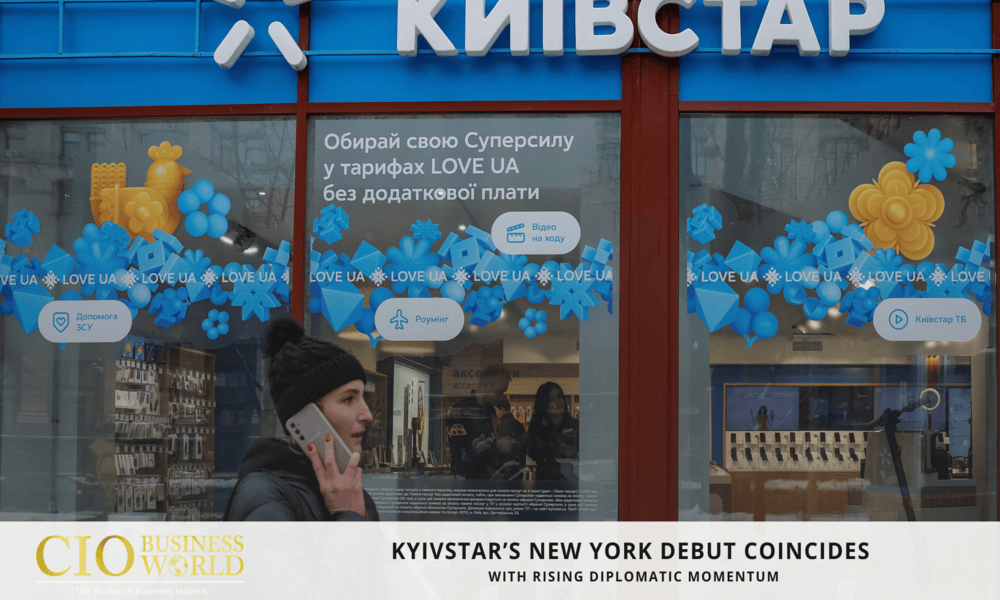
Kyivstar’s New York Debut Coincides with Rising Diplomatic Momentum

Ukraine’s main telecom operator, Kyivstar, formally began trading on the New York Stock Exchange as peace talks in Alaska progressed.

Ukraine’s Kyivstar’s entry into the American market is both symbolic and strategic. It is a watershed moment for the corporation, highlighting Ukraine’s expanded economic and political commitment – even as global attention shifts to ongoing peace talks in Alaska.

Ukraine’s Kyivstar goes public at a time of heightened international focus. The firm’s shares began trading under a new ticker symbol, drawing notable attention from U.S. investors. This move signals confidence in Ukraine’s economic resilience and its telecommunications sector’s growth potential.

At the same time, Alaska has become the unusual setting for a series of peace discussions. Diplomats from Ukraine, Russia, and other stakeholders are convening to pursue efforts toward regional stability. As the talks continue, they bring both hope and scrutiny, intertwining geopolitics with business milestones.

By listing in New York, Ukraine’s Kyivstar gains access to deeper capital markets and enhanced investor trust. The timing is compelling: international financiers are watching diplomatic developments closely, and the company’s listing could be seen as an indicator of broader confidence in Ukraine’s future.

Ukraine’s Kyivstar: A Strategic Opening

Ukraine’s Kyivstar carved out a space on the global financial stage by opting for the NYSE. This decision reflects the company’s ambition to tap into international capital and broaden its shareholder base beyond domestic borders.

The listing comes with expected benefits: increased liquidity, higher valuation potential, and improved transparency. For investors, it offers a direct route to Ukraine’s booming telecom sector, while for Kyivstar, it establishes a platform for future expansions and strategic partnerships.

Ukraine’s government has signaled its support for the move. Officials describe the listing as a cornerstone of Ukraine’s economic recovery and integration into global markets. Amid high-stakes diplomacy in Alaska, Kyivstar’s listing projects stability and forward momentum.

Investors are already responding. Early trading saw a solid performance, indicating market appetite for Ukrainian enterprises with international exposure. Analysts note that this positive reception may ease the path for further listings from Ukraine’s burgeoning private sector.

The juxtaposition is striking: Ukraine’s Kyivstar stepping onto the U.S. financial stage, while diplomats in Alaska work toward easing tensions. This parallel narrative illustrates how commerce and diplomacy can reinforce one another.

Should peace talks in Alaska yield progress, investor confidence may amplify further. Conversely, obstacles in diplomacy could dampen enthusiasm. Regardless, Kyivstar’s listing embeds economic optimism amid political uncertainty.

Also read: Cybersecurity Innovators Fortifying Digital Defense

How Employers Are Managing Benefits Costs in 2025?

As benefits costs increase, employers in the United States are looking at their strategy for 2025 to manage the impact of rising healthcare, insurance, and wellness program costs. With inflationary pressures and changing labor expectations, many businesses are at a crossroads: balancing budgetary discipline with talent retention.

According to recent data, the average cost of employee benefits is projected to rise nearly 6.5% this year, outpacing wage growth and challenging companies’ financial planning. This spike has prompted employers to adopt new approaches, from reevaluating insurance providers to introducing high-deductible health plans.

Employers Benefits Costs: Adjusting Strategies for a New Reality

One significant trend is the greater focus on cost-sharing. Employers are asking employees to pay a somewhat higher part of premiums or co-pays, but most are careful not to alienate workers. The idea is to maintain coverage quality while promoting responsibility sharing.

In response to these challenges, some companies are turning to digital health solutions. Virtual care platforms and AI-powered wellness tools have emerged as cost-effective alternatives, reducing the need for in-person visits and supporting early intervention.

Another common move is plan redesign. Many HR leaders are simplifying benefits packages and removing underutilized offerings to streamline costs. A growing number of employers are consolidating providers to gain better pricing leverage and improve administrative efficiency.

Additionally, wellness incentives remain a key part of the strategy. Employers are investing in preventative care programs — such as biometric screenings, mental health support, and fitness subsidies — that encourage healthier lifestyles and ultimately reduce long-term claims.

Hybrid work models also play a role in managing costs. With fewer employees commuting or using on-site services, some firms are reallocating office-related benefit funds into flexible wellness stipends or mental health reimbursements.

HR executives are also engaging more frequently with employees to understand which benefits they truly value. Through surveys and feedback sessions, companies are gaining insights that inform benefit design while avoiding wasteful spending.

Even with rising expenses, many businesses see benefits as a competitive advantage in a tight labor market. “Cutting benefits is not the answer,” said a benefits director at a major technology company. “We’re focusing on smarter, data-driven decisions to offer what matters most.”

As the pressure continues, innovation in benefits strategy is becoming essential. Employers willing to adapt, engage, and optimize will be better positioned to support their workforce while keeping costs under control.

In 2025, controlling employer benefits expenditures is more than just budgeting; it is about creating long-term value for both the organization and its employees.

Also read: Navigating Challenges with Resilience and Vision

Client Portal Integration Challenges That IT Solutions for Professional Services Must Address

Client portals have become essential for professional services firms, but getting them to work seamlessly with existing systems is where things get complicated. Most firms discover that what seemed like a straightforward technology addition quickly becomes a complex integration project that touches every aspect of their operations.

The challenge isn’t just technical – it’s about creating a unified experience that serves both clients and internal teams without disrupting established workflows. Here’s what we’ve learned from working with professional services firms on portal integration projects.

The Data Synchronization Nightmare

Professional services firms generate enormous amounts of interconnected data. Time entries, billing records, project documents, communication logs, and client information all need to flow seamlessly between your internal systems and the client portal.

Where Integration Typically Breaks Down

Most firms start with high hopes about automated data sync, then quickly run into these reality checks:

  • Time tracking discrepancies where billable hours in your practice management system don’t match what clients see in the portal
  • Document version conflicts when files get updated in multiple locations simultaneously
  • Billing inconsistencies where invoice details vary between your accounting system and portal displays
  • Contact information chaos when client updates in one system don’t propagate everywhere else

The root problem is that most professional services firms have grown their technology stack organically over time. You might have started with QuickBooks for billing, added a practice management system later, then implemented a separate document management solution. Each system stores data differently and talks to other systems in its own way.

Real-Time vs. Batch Synchronization Decisions

IT solutions for professional services need to handle this complexity thoughtfully. Real-time synchronization sounds ideal, but it can actually create more problems than it solves if not implemented carefully.

For example, if a lawyer updates time entries throughout the day, do you really want those changes appearing in the client portal immediately? Probably not – you likely want to review and approve time entries before clients see them.

Security and Compliance Integration Challenges

Professional services firms handle sensitive client information that’s subject to strict confidentiality and regulatory requirements. Your client portal integration needs to maintain these security standards while still providing convenient access.

Authentication Complexity

Simple username/password portals aren’t sufficient for most professional services applications. You need authentication systems that integrate with:

  • Multi-factor authentication requirements that vary by client industry
  • Single sign-on systems that clients may already use internally
  • Role-based access controls that limit what different client team members can see
  • Audit trails that track every portal interaction for compliance purposes

Data Residency and Encryption Requirements

Depending on your client base, you might need to ensure that certain data never leaves specific geographic regions, or that different types of information receive different levels of encryption protection.

IT solutions for professional services must navigate these requirements while still providing seamless user experiences. It’s a balancing act between security and usability that requires careful planning.

User Experience Challenges Across Client Types

Professional services firms typically serve clients with vastly different technical capabilities and preferences. Your client portal integration needs to work for everyone from tech-savvy startups to traditional enterprises with strict IT policies.

The Mobile Access Dilemma

Here’s something that catches many firms off guard: clients increasingly expect full portal functionality on mobile devices, but professional services workflows weren’t designed for mobile interaction.

Consider these common scenarios:

  • Document review and approval workflows that require detailed markup capabilities
  • Financial reporting that includes complex spreadsheets and charts
  • Project collaboration features that need screen space for meaningful interaction
  • Secure communication that must work reliably across different mobile platforms

Customization vs. Standardization

Every client wants the portal to work exactly like their internal systems. But from an IT management perspective, too much customization creates a maintenance nightmare.

The most successful portal integrations we’ve seen strike a balance by offering:

  • Configurable branding that makes the portal feel familiar to each client
  • Flexible workflow options that accommodate different approval processes
  • Customizable reporting that matches how clients prefer to consume information
  • Standard core functionality that remains consistent for support and maintenance

Integration with Legacy Systems

Most professional services firms have at least one critical system that’s older than they’d like to admit. Maybe it’s a custom billing system from the early 2000s, or a document management platform that works perfectly but doesn’t play well with modern APIs.

Working Around API Limitations

Not every system in your technology stack will have robust APIs for portal integration. IT solutions for professional services need creative approaches to bridge these gaps:

  • Database-level integration that bypasses API limitations but requires careful security management
  • File-based data exchange that works reliably but requires monitoring and error handling
  • Screen scraping solutions that extract data from legacy interfaces (though these should be last resorts)
  • Middleware platforms that translate between different systems and data formats

Maintaining Data Integrity

The more integration points you have, the more opportunities there are for data corruption or inconsistencies. Professional services firms can’t afford situations where client billing information doesn’t match between systems.

This means implementing robust error checking, data validation, and reconciliation processes that run continuously in the background.

Performance and Scalability Considerations

Client portals in professional services environments face unique performance challenges. Unlike typical business applications, portal usage often spikes around specific events like billing cycles, project deadlines, or compliance reporting periods.

Handling Document-Heavy Workflows

Professional services firms deal with large files regularly – legal briefs, financial statements, technical drawings, audit documentation. Your portal integration needs to handle:

  • Large file uploads that don’t timeout or corrupt during transmission
  • Document preview capabilities that work across different file types
  • Version control that prevents conflicts when multiple people access the same documents
  • Search functionality that can quickly locate specific information across thousands of files

Planning for Future Integration Needs

The most successful client portal projects we’ve worked on anticipate future integration requirements rather than just solving current problems.

Vendor Relationship Management

As your firm grows, you’ll likely add new technology solutions or replace existing ones. Your portal integration architecture should accommodate these changes without requiring complete rebuilds.

This means choosing integration approaches that are:

  • Vendor-agnostic so you’re not locked into specific technology providers
  • Modular so individual components can be updated independently
  • Well-documented so future IT teams can understand and modify the integration

Client Expectation Evolution

Client expectations for portal functionality continue to evolve. What seems cutting-edge today will be baseline expectations in a few years.

The firms that handle this best build portal integrations with flexibility in mind, creating foundations that can support new features and capabilities as client needs change.

Getting client portal integration right requires understanding both the technical challenges and the business context of professional services work. The most effective IT solutions for professional services take a holistic approach that considers current needs while building flexibility for future requirements.

From Lab to Living Room: How Biotechnology is Shaping Home Farming

Biotechnology is no longer limited to labs or farms, it’s making its way into living rooms, kitchens & balconies. As environmental concerns grow and the demand for self-sufficiency rises, families and urban dwellers are turning to biotech-powered solutions to transform their homes into hubs of productivity and green innovation.

From genetically modified houseplants that filter the air to countertop bioreactors that grow food, the modern household is experiencing a quiet but profound technological revolution. The shift is modest, but the consequences are far-reaching.

The Rise of Smart Green Living

Biotechnology is Shaping Home design and lifestyle in real time. Urban gardening now includes hydroponic and aeroponic systems, allowing inhabitants to grow vegetables without soil. Some of these systems use engineered microorganisms to increase plant growth and resilience, resulting in year-round harvests in even the smallest places.

Additionally, home composting systems have evolved. Biotech-enhanced models use engineered bacteria to break down waste faster and more efficiently, turning kitchen scraps into high-quality fertilizer in a matter of days. These systems are quiet, odorless, and fit seamlessly into modern kitchens encouraging a more sustainable routine for households of all sizes.

Home Health Gets a Bio-Boost

Biotechnology isn’t just growing plants, it’s also protecting people. Biosensors embedded in smart furniture and household appliances now monitor everything from indoor air quality to potential allergens. These devices use living cells or enzymes as detectors, offering real-time updates and early warnings through connected apps.

Even personal care is getting a biotech upgrade. Home skincare gadgets now use cultured bacteria and biomimetic peptides to promote skin health, reducing the need for synthetic chemicals. It’s science, but make it personal—and practical.

Accessibility and the Future

As the cost of biotech equipment falls and awareness grows, more businesses join the market with home-based breakthroughs. Subscription kits that allow users to grow delicious mushrooms from used coffee grounds, or algae kits that double as air purifiers, are becoming popular among environmentally aware consumers.

Experts believe this is only the beginning. “The home is becoming a living lab,” says Dr. Reena Mathur, a bio-innovation consultant. “What was once science fiction is now a lifestyle.”

Biotechnology is shaping home environments in ways that are subtle yet transformational. From environmental stewardship to personal well-being, the science is no longer out of reach—it’s on the shelf, under the sink, and growing by the window.

Also Read: How to Choose the Right Printer Ink Online for Mug Printing

Read More Exclusive Interviews

Dive into expert-written Interviews from CIO Business World Magazine and stay ahead in the business world.

Explore Now

These 5 Subtle Biases Might Be Wrecking Your Wealth

In the age of financial empowerment and extensive access to investment instruments, most people believe they are making sound financial decisions. However, behind the surface of our daily decisions are subtle psychological traps biases that can stealthily destroy our wealth-building efforts.

Recent financial studies and behavioral economics research show that emotional decision-making still dominates even the most analytical portfolios. Experts warn that subtle biases are more than just temporary mental hitches; they are important cognitive processes that cause long-term financial loss.

How Cognitive Errors Shape Financial Missteps

Take for example loss aversion, a well-documented bias where individuals fear losses more than they value equivalent gains. This causes investors to cling to underperforming assets, hoping for a rebound, rather than reallocating toward stronger opportunities.

Then there’s confirmation bias where people actively seek out information that aligns with their existing beliefs while ignoring contradictory facts. This can skew investment decisions, prevent necessary course corrections, and ultimately result in a skewed financial plan.

Another key factor is overconfidence bias, which occurs when people overestimate their expertise or ability to predict market developments. This frequently leads to hazardous investments or early withdrawal from safer assets, which undermines long-term stability.

Subtle Biases: A Silent Wealth Killer in Financial Planning

Herd mentality is another trap to watch for. Fueled by social media and the fear of missing out (FOMO), many fall into the habit of blindly following market trends without proper analysis. This behavior, while seemingly harmless, can lead to buying at peaks and selling during downturns—classic financial missteps.

Finally, present bias the tendency to highlight short-term gratification above long-term gains is likely the most common. Whether it’s picking impulse buying over savings or putting off retirement planning, present bias subtly undermines future financial security.

Combating Bias with Awareness and Strategy

The good news? These subtle biases can be mitigated. Financial advisors increasingly stress the importance of awareness, routine audits, and data-driven decision-making. By recognizing these patterns, individuals can build healthier financial habits that support long-term goals.

Additionally, adopting tools like robo-advisors, diversifying decision-making teams, or using automated saving mechanisms can help reduce the influence of emotion and improve consistency.

Turn Awareness into Action

Ultimately, while it’s impossible to eliminate all forms of cognitive bias, becoming aware of these subtle biases is the first critical step. From loss aversion to herd behavior, recognizing these psychological traps can be the difference between wealth creation and financial stagnation.

In a world where financial literacy is power, overcoming internal blind spots might just be your most profitable investment yet.

Read More Exclusive Interviews

Dive into expert-written Interviews from CIO Business World Magazine and stay ahead in the business world.

Explore Now