
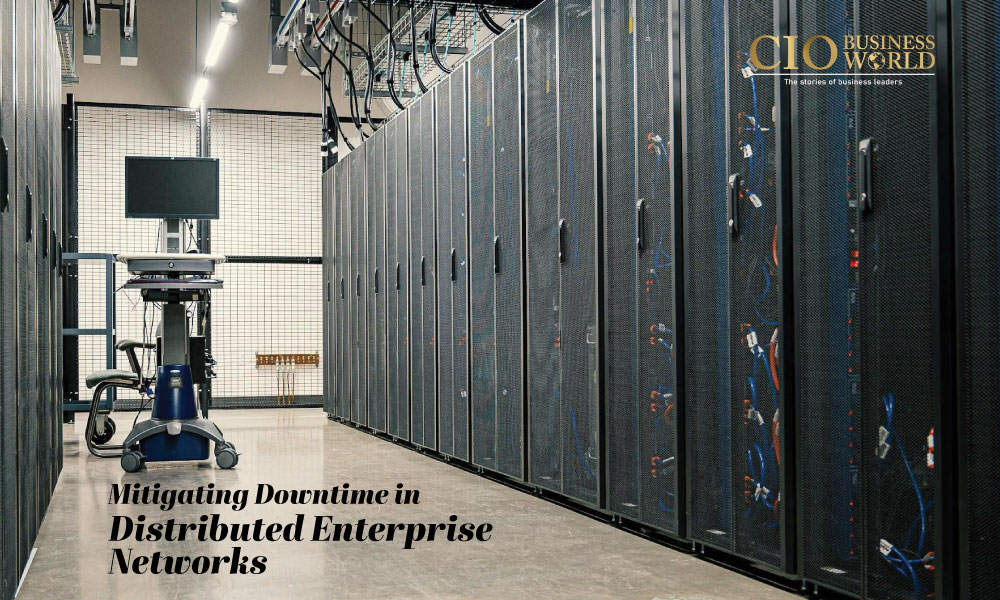
Network outages disrupt business operations and frustrate customers. Managing multiple office locations multiplies connectivity risks across the corporate infrastructure. Technical teams struggle to maintain consistent performance across vast distances. Unstable connections prevent employees from accessing critical cloud applications.
Organizations must adopt smart strategies to keep data moving without interruption. Securing reliable connections keeps remote teams productive. Strong communication frameworks protect revenue streams from sudden drops. Companies need to address weaknesses before problems occur.
The True Cost of Network Disruptions
Unplanned outages hurt more than just immediate sales. They damage brand reputation and lower employee morale across distributed teams. Customers quickly lose faith when applications become unresponsive. A single day of poor connectivity can destroy years of hard-won customer loyalty.
Financial losses accumulate rapidly during these technical failures. An industry survey found that ninety percent of large enterprises lose upwards of $300,000 per hour of downtime. Staggering numbers force corporate boards to prioritize digital infrastructure upgrades immediately.
Companies must calculate hidden operational expenses beyond lost transactions. Idle workers still collect salaries during blackouts. Repairing damaged database files requires expensive emergency engineering assistance.
Identifying the Root Causes of Connectivity Issues
Complex systems face many potential points of failure every day. Hardware breakdowns and software bugs frequently disconnect remote branch offices from the central data center. Old routers fail under heavy traffic loads. Technicians must monitor hardware health continuously to spot failing components early.
Human errors during routine configuration changes spark massive complications. Data from a networking report shows that nearly a third of all corporate service outages stem directly from connectivity problems. Misconfigured switches can isolate entire regional departments within minutes.
Mapping out network paths helps administrators spot weak links. Removing single points of failure makes the entire system more stable. Regular diagnostics prevent minor glitches from spreading through the network. Regular training keeps IT staff prepared for complex technical tasks.
Implementing Redundant Network Pathways
Maintaining backup circuits helps prevent a total system collapse when a primary link fails. Corporate offices need secondary options to route traffic during emergencies. This approach maintains continuous data flow. Companies should test alternative routes regularly to verify operational readiness and speed.
Dual internet service providers safeguard remote branches against local fiber cuts. Deploying options like GTT security as a service shields your corporate traffic from unexpected branch office dropouts. Secondary links pick up the load immediately to maintain a seamless user experience. Consistent uptime satisfies internal teams and external clients over long operational periods.
Automated failover mechanisms switch traffic without human intervention. Automated systems reduce the need for midnight troubleshooting calls. IT departments save valuable time by letting software handle immediate path corrections during sudden drops.
Analyzing Major Infrastructure Failures
Studying past network incidents provides valuable lessons for current IT leaders. Learning from industry mistakes helps teams prepare for unexpected emergencies. Organizations gain deep insights by reviewing historical telemetry data. Detailed post-mortem reviews uncover hidden patterns that normal maintenance routines miss completely.
Large distributed networks present unique challenges that standard monitoring tools miss. An analysis of major infrastructure failures highlighted widespread vulnerabilities across distributed corporate networks. Complex cloud dependencies often hide underlying architectural flaws until a crash occurs.
Historical events show that minor configuration missteps snowball into global outages. Regular audits prevent minor issues from turning into major catastrophes. Reviewing old incidents helps engineers build stronger defense mechanisms.
Addressing Power and Infrastructure Dependencies
Network reliability depends on more than just software and cables. Hardware components require steady electricity to keep data flowing between regional offices. Power drops shut down critical transmission nodes instantly. Local facilities must maintain backup energy plans to prevent severe service disruptions during unexpected blackouts.
Backup generators and battery systems protect local hardware during power grid problems. A tech report tracking digital infrastructure noted that even highly redundant architectures remain vulnerable to external power failures. Local weather events often disrupt utility services unexpectedly.
Engineering teams should review specific structural vulnerabilities to guard against utility failure:
- Distributed architectures require backup systems to survive major grid collapses.
- Multiple layers of redundancy fail when external utility power disappears completely.
- Network nodes must possess local energy reserves to withstand regional infrastructure failures.
Understanding Executive Concerns Regarding Outages
Corporate leaders focus intensely on business continuity plans. Keeping systems online directly protects corporate profits and investor confidence. Modern leadership demands higher accountability from technical departments. Executives want clear answers about system availability and disaster recovery timelines.
Corporate executives realize that digital resilience requires continuous financial investment. A comprehensive global survey of 1,000 technology executives revealed that every single respondent suffered revenue losses from outages within a single year.
The universal experience drives tech leaders to demand better visibility into network operations. Real-time monitoring helps teams catch anomalies before they impact customers. Improved metrics allow managers to allocate engineering resources effectively.
Calculating the Cost of Operational Shutdowns
Minute-by-minute tracking reveals the staggering speed of financial losses during a crisis. Every second of downtime delays shipments and halts customer support lines. Delays frustrate users and drive them toward competitors. Businesses lose valuable market share when systems stay dark for extended periods.
Small delays quickly spiral into massive corporate expenses. A study on corporate infrastructure noted that every minute an IT outage causes an operational shutdown costs businesses a median of $33,333. The financial drain happens across all sectors of the enterprise economy.
The numbers prove that slow incident response times destroy corporate budgets. Automation helps speed up detection and resolution efforts. Faster responses preserve valuable capital and protect client contracts. Quick detection tools pay for themselves during the very first major network emergency.
Long-Term Impacts on Corporate Assets
Outages trigger consequences that last long after technical teams resolve the initial problem. Companies face legal penalties and regulatory scrutiny following prolonged service drops. Compliance failures complicate long-term business goals.
Financial markets react poorly to news of extended technical operational failures. Market data shows that companies lose an average of $300 million a year to unplanned outages. Shareholder value drops sharply when companies fail to maintain uptime.
Some incidents create several lingering financial problems for modern businesses:
- Stock prices drop an average of 3.4% after a single major technical incident.
- Insurance premiums rise as underwriting teams reevaluate corporate risk profiles.
- Customer churn increases when users lose trust in platform reliability.
Protecting distributed enterprise networks requires constant vigilance and strategic investments. Corporate leadership prioritizes redundant paths and robust power supplies to keep data moving. These choices prevent costly operational gaps. Companies that invest early enjoy long-term stability.
Proactive maintenance minimizes technical risks and safeguards company revenue. Strong infrastructure keeps businesses competitive. Implementing protocols preserves institutional stability. Organizations must act now to secure their digital future.