
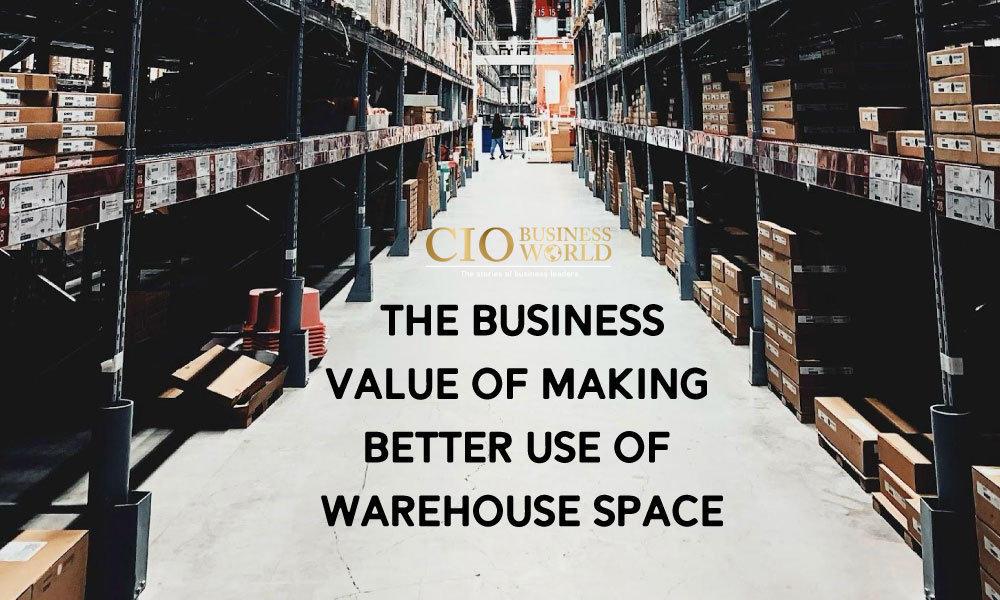
Maximizing warehouse space is one of the smartest ways to boost your bottom line. Many businesses assume they need a bigger building when inventory starts piling up, but the real answer often lies inside your current walls.
Running a tight, well-arranged facility keeps operations smooth and prevents unnecessary overhead from eating your profits. Smart space management transforms your business from a chaotic storage hub into a lean, highly profitable machine.
The Financial Drain of Wasted Square Footage
Every square foot of your warehouse carries a specific dollar value. When clutter takes over, you pay for space that is not active. Poorly designed setups mean your team spends extra time hunting for items, which slows down your shipping times. Labor hours get wasted when employees must hike across a poorly mapped facility just to find a single pallet.
A recent logistics analysis pointed out that proper storage design helps ensure you use every single square foot effectively. This strategy directly reduces your need for extra storage facilities and lowers your overall costs. Instead of signing another expensive lease, you can unlock hidden capacity right where you are.
Reducing wasted footprint also lowers your inventory carrying costs. When items sit forgotten in dark corners, they collect dust and lose market value. Clear visibility ensures that you sell products before they become obsolete, keeping your capital fluid.
Scaling Upward Instead of Outward
When you run out of floor space, the only direction left to go is up. Most facilities have feet of unused air space that sits empty while the floor remains packed to maximum capacity. Utilizing tall racking systems lets you store more inventory without expanding your physical footprint. This strategy allows you to double or triple your storage volume without changing your zip code.
Implementing high-density setups changes the game for your daily inventory management. Deciding whether it’s Vertical Storage USA warehouse solutions or another strategy, investing in the right setup helps you reclaim your floor space and streamline your pick paths. This adjustment keeps your fast-moving items within arm’s reach while pushing seasonal stock higher up.
Maximizing your vertical layout also improves your equipment utility. Forklifts and reach trucks operate more efficiently when they can move down clear, straight aisles to grab pallets from high racks. You get more value out of your heavy machinery investment by using its full reach potential.
Driving Better Supply Chain Efficiency
An organized warehouse has a massive ripple effect across your entire business. When items have designated, sensible locations, your team can pack orders much faster. This speed keeps your customers happy and protects your brand reputation. Fast shipping is a major competitive advantage, and that speed is born directly on the warehouse floor.
A supply chain study recently highlighted that maximizing storage space and optimizing your layout are essential for a well-functioning supply chain. These adjustments directly impact your daily efficiency, lead to major cost savings, and boost customer satisfaction.
- Faster order fulfillment times mean fewer backlogs during peak seasons.
- Smarter inventory tracking reduces the chances of lost or misplaced stock.
- Organized layouts lower the risk of workplace accidents and product damage.
- Optimized traffic lanes prevent forklift gridlock during busy morning shifts.
- Clear labeling systems reduce the training time required for seasonal temporary workers.
Lowering Overhead Costs Permanently
Running a business requires strict control over fixed expenses. Heating, lighting, and maintaining a massive facility costs a fortune. By condensing your storage footprint, you keep your utility bills manageable. You avoid the massive carbon footprint and financial strain of heating empty air in a giant, disorganized building.
Investing in your current layout saves you from the massive moving fees, legal contracts, and downtime associated with shifting to a new property. You get to keep your current, trained staff right where they are while handling a higher volume of goods. Retaining experienced workers avoids the high costs of hiring and onboarding new personnel in a different city.
Fewer facilities also mean fewer administrative headaches. Managing one highly optimized warehouse is much cheaper than juggling multiple leases, security systems, and local property taxes. You can focus your management team’s energy on perfecting a single hub rather than spreading resources thin across multiple locations.
Optimizing Pick Paths for Worker Productivity
Labor is often the highest variable expense in a distribution center. When workers spend half their day walking across a massive facility, productivity plummets. Smarter space utilization groups high-velocity products together near the shipping docks. This clustering minimizes travel distance and keeps your team focused on packing boxes rather than walking miles.
An efficient layout reduces physical fatigue on your workforce. Employees who do not have to climb over clutter or search through poorly marked aisles stay energized and focused. This boost in workplace morale translates directly into fewer picking mistakes and a lower turnover rate.
Smart spacing also improves safety metrics across the board. Packed aisles increase the odds of a forklift clipping a rack or a worker tripping over loose inventory. Giving your team clear, designated pathways keeps operations compliant with safety regulations and lowers insurance premiums.
Adapting to Market Shifts with Ease
Consumer demands change fast, and your warehouse needs to keep pace. An agile storage setup allows you to adjust your stock levels based on seasonal trends without causing operational chaos. You can quickly pivot from storing winter goods to summer inventory without needing to rent temporary container space.
When your space is highly organized, you gain a clear view of your actual inventory levels. This visibility prevents you from overordering slow-moving products and running out of your top sellers. True business value comes from a nimble operation that turns storage space into a powerful tool for growth.
Embracing Advanced Organization Systems
Upgrading your layout frequently involves adopting modern categorization methods. Implementing a dynamic slotting strategy means you constantly evaluate where items live based on sales data. Products that trend upward get moved to prime locations, while dying trends get pushed to remote corners.
- Slotting software analyzes seasonal sales trends to suggest layout adjustments automatically.
- Heavy items stay low to the ground to reduce lifting hazards and speed up loading times.
- Small parts move into dense bin systems to free up large pallet racks for bulk goods.
This continuous optimization ensures that your warehouse never stagnates. It creates a flexible ecosystem that absorbs market shocks and supply chain disruptions without slowing down your daily output.
Turning your warehouse into an efficient, space-conscious asset gives your business a major edge. You stop fighting your layout and start using it to drive profit. Better space utilization means less waste, higher productivity, and a much stronger bottom line. Capitalizing on the square footage you already own sets the stage for sustainable, long-term business scaling.