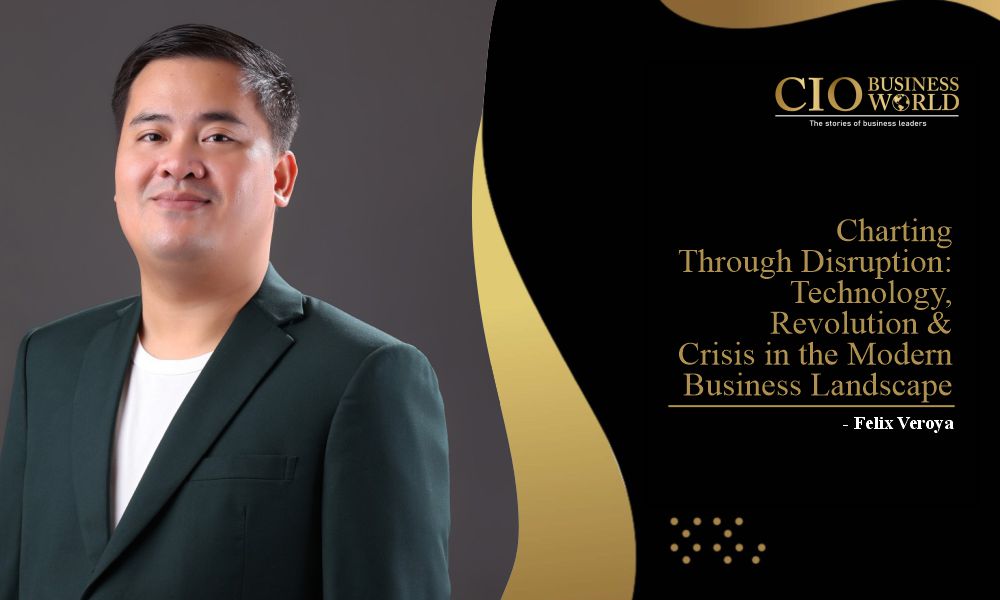

In today’s fast-evolving corporate landscape, Chief Executive Officers (CEOs) stand at the helm of transformation, innovation, and growth. Their role is no longer confined to decision-making within boardrooms; it has expanded into shaping cultures, inspiring people, and navigating organizations through uncertainty. The presence and influence of CEOs in the corporate world is not just significant it is invigorating, energizing businesses and redefining what leadership truly means.
At the core of every successful organization lies a vision, and it is the CEO who breathes life into it. A compelling vision has the power to align teams, inspire stakeholders, and create a sense of purpose that goes beyond profits. This ability to envision the future and guide others toward it is what makes CEOs such dynamic forces. They don’t just react to change they anticipate it, embrace it, and often lead it.
What makes the modern CEO truly invigorating is their adaptability. In an era shaped by rapid technological advancements, globalization, and shifting consumer expectations, static leadership no longer works. CEOs today are learners first constantly evolving, upskilling, and staying ahead of trends. Whether it’s understanding artificial intelligence, sustainability, or digital transformation, they immerse themselves in new knowledge to steer their organizations effectively. This continuous learning mindset injects energy into the entire organization, encouraging employees to grow alongside their leaders.
Equally invigorating is the CEO’s role in fostering innovation. Innovation is not just about creating new products; it is about rethinking processes, challenging norms, and encouraging creativity at every level. CEOs cultivate environments where ideas can thrive, where risks are embraced, and where failure is seen as a stepping stone rather than a setback. This culture of innovation keeps organizations alive, relevant, and competitive in an ever-changing market.
Another powerful aspect of CEO leadership is their ability to inspire people. Employees today seek more than just a paycheck they look for meaning, growth, and a sense of belonging. CEOs who connect with their teams, communicate transparently, and lead with empathy create workplaces that are not only productive but also fulfilling. When employees feel valued and inspired, their energy reflects in their work, creating a ripple effect that strengthens the entire organization.
The invigorating nature of CEOs is also evident in their resilience. The corporate world is filled with challenges economic downturns, market disruptions, and unforeseen crises. It is during these moments that CEOs truly shine. Their ability to stay calm under pressure, make strategic decisions, and guide their organizations through uncertainty instills confidence and stability. This resilience not only safeguards the organization but also motivates teams to persevere and overcome obstacles.
Moreover, CEOs play a crucial role in shaping organizational culture. Culture is the heartbeat of any company, influencing how employees think, act, and collaborate. A CEO who prioritizes inclusivity, ethics, and innovation creates a culture that drives long-term success. This cultural leadership is invigorating because it transforms workplaces into communities where individuals are empowered to contribute their best.
In recent years, the role of CEOs has expanded beyond business to include social responsibility. Today’s leaders are expected to address environmental, social, and governance (ESG) issues, contributing to a more sustainable and equitable world. CEOs who champion these causes not only enhance their organization’s reputation but also inspire others to take meaningful action. This broader impact adds a new dimension to leadership, making it more purposeful and impactful.
The digital age has further amplified the influence of CEOs. With social media and global connectivity, their voices reach far beyond their organizations. They are not just corporate leaders but also thought leaders, shaping conversations and influencing industries. This visibility brings both responsibility and opportunity, allowing CEOs to inspire change on a larger scale.
For aspiring professionals, CEOs represent the pinnacle of leadership and possibility. Their journeys are often filled with challenges, learning experiences, and moments of transformation. What makes their stories invigorating is not just their success but the path they take to achieve it. They remind us that leadership is not about perfection but about persistence, adaptability, and the courage to take risks.
In conclusion, CEOs in the corporate world are more than decision-makers they are catalysts of energy, innovation, and transformation. Their ability to envision the future, inspire people, embrace change, and lead with purpose makes their role truly invigorating. As the business world continues to evolve, the influence of CEOs will only grow, shaping not just organizations but the future of industries and societies at large.