
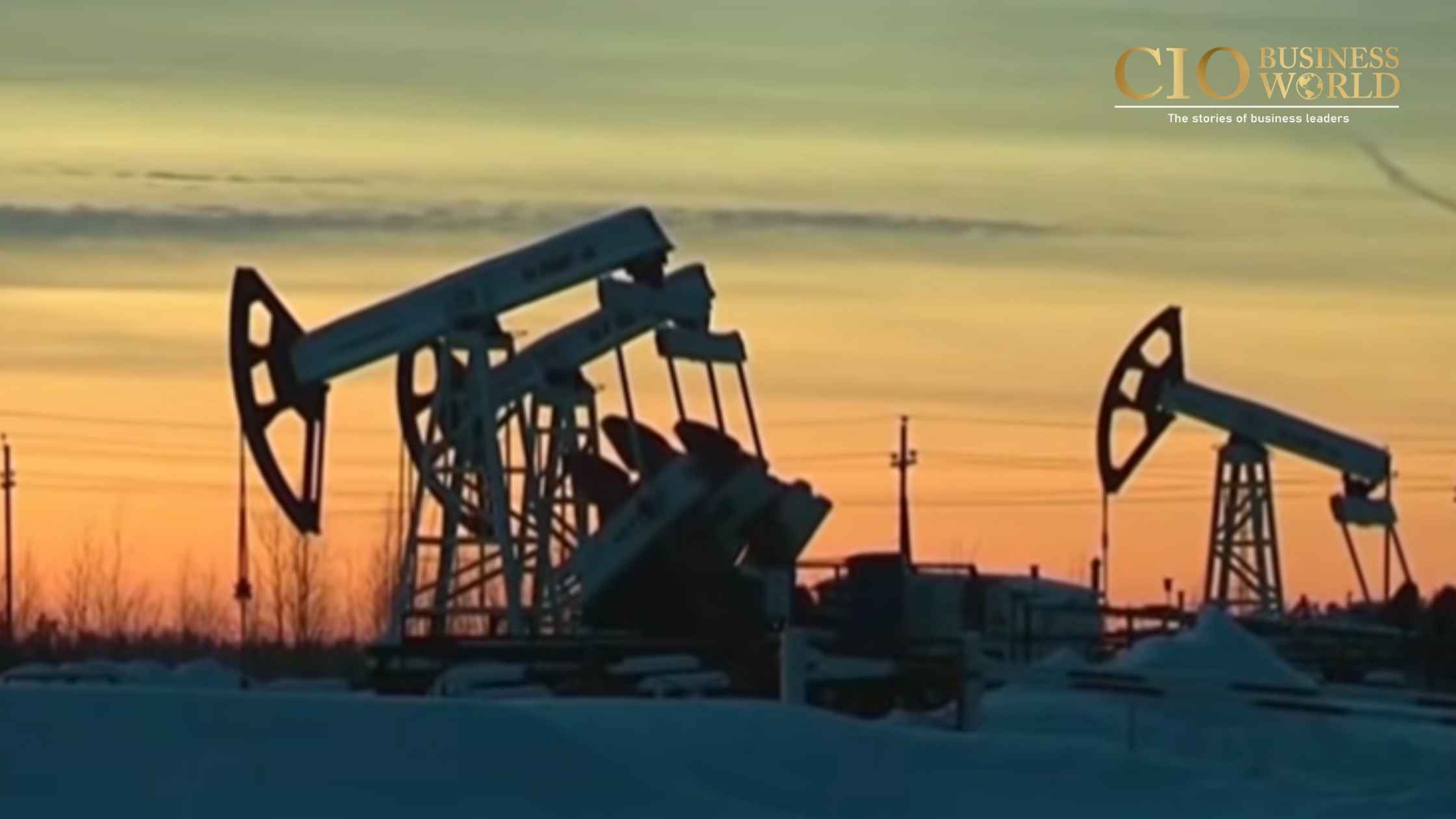
Concerns about inflation, supply security, and economic stability have once again surfaced due to oil prices above $100 per barrel. Many are wondering, “What does economy oil mean?” and “What does oil do to the economy?” as corporations and governments keep an eye on the surge. The explanation is straightforward: everything is shaped by oil.
Oil affects everything from industry and transportation to food logistics and energy systems, which in turn affects living expenses and the rate of global expansion. Economies must reevaluate resilience, efficiency, and alternatives like 100% sustainable fuel when prices spike.
Why It Matters for Every Economy When Oil Reaches $100
The most important commodity in the planet is oil. Fuel, shipping, and production costs all increase as a result of high prices. Because oil is both a gauge of geopolitical conflict and a catalyst for inflation, analysts often debate “what economy oil” represents.
Several economic repercussions could place when crude prices surpass $100:
Airlines, shipping, road freight, and individual mobility are all impacted by the rising cost of transportation.
Manufacturing prices are rising, particularly for businesses that rely heavily on petrochemicals.
Due to expensive transportation and supply lines powered by diesel, food costs are rising.
National finances are strained as government subsidies increase.
Global Markets React: Pressure on Inflation Increases
Economies are pushed toward inflationary pressures when oil prices are $100. Governments try to stabilize markets, businesses hike prices, and households cut back on spending.
Economists caution that countries with insufficient oil reserves could face the following if high prices continue:
- Deficits in trade
- Reduced GDP growth
- Depreciation of currency
- Increased interest rates
While countries that export oil profit from higher revenue, emerging economies are more severely impacted.
Is There Any Use for $100 Oil?
“What is 100 oil good for?” is a common question.
Expensive oil may appear detrimental, but it can also speed up:
Adoption of renewable energy
High costs force countries to switch to EVs, green hydrogen, advanced biofuels, and 100% sustainable fuel.
Innovation in transportation and business
Companies spend money on:
Manufacturing that uses less energy
Fleets of electric vehicles
Strategies for energy independence and low-carbon logistics
Countries increase reserves, diversify their supply chains, and lessen their reliance on imports.
Thus, $100 oil can indirectly accelerate long-term resilience and cleaner technology.
What Does the Future Hold for 100% Sustainable Fuel?
Global energy is changing due to the emergence of greener alternatives. Fuels that come totally from carbon-neutral, low-emission, or renewable sources are referred to as 100% sustainable fuels.
Examples consist of:
High-tech biofuels
Artificial fuels
Green hydrogen
By lowering reliance on unstable oil markets, these alternatives help lower emissions, provide energy security, and stabilize prices.
How Customers Can Adjust: Making the Most of a High-Oil World
Households need to reconsider fuel use when oil prices rise. People frequently inquire:
“How might you cut costs and use less oil if it became extremely expensive?”
Among the useful tactics are:
- Taking public transportation or carpooling
- Changing to hybrid scooters or electric cars
- Cutting back on long-distance travel
- Making effective route plans
- Maintaining automobiles to maximize fuel efficiency
- Choosing gadgets that use less energy
- Encouraging regional goods to reduce the impact of transportation
Personal expenses and the impact on the environment are decreased by even little adjustments.
Comprehending “100 Percent Oil Life”
“What does 100 percent oil life mean?” is a common misconception among consumers.
When it comes to car maintenance, this indication indicates how long the engine oil will last—not that it is “full,” but rather that it is brand-new or recently changed. Keeping an eye on oil life guarantees fuel economy and safeguards engines during periods of high fuel costs.
A Pivotal Moment for World Energy
More than just a market phenomenon, oil exceeding $100 portends a future in which countries will need to invest in diversification, consumers will need to adopt more intelligent habits, and industry will need to develop more quickly than before. It is becoming necessary, not discretionary, to comprehend “what does oil do to the economy.” This might be the start of a long-term shift toward greater energy independence and economic stability as nations shift toward greener alternatives like 100% sustainable fuel.
Read our latest interviews with Dr. Sabira Arefin