
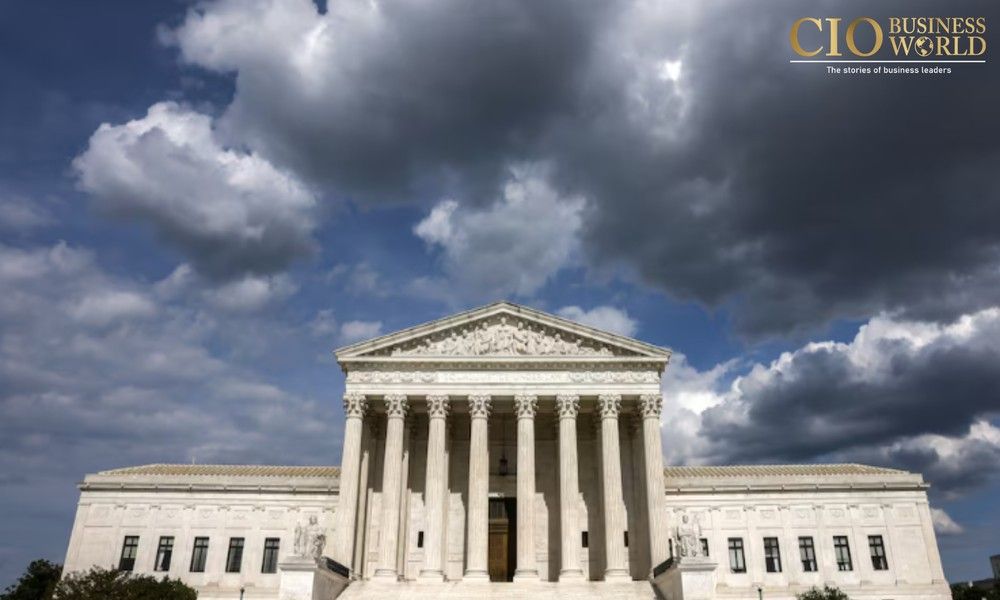
The U.S. Supreme Court is approaching the end of its current term, with several closely watched decisions expected in the coming days. As the court prepares for its traditional summer recess, attention is focused on a series of high-profile cases that could reshape the scope of presidential authority in the United States.
Among the most significant issues before the court are disputes involving President Donald Trump’s executive powers, including his authority to impose tariffs, remove federal officials, and oversee independent government agencies. These rulings are expected to have lasting implications for future administrations, federal institutions, and the balance of power between the executive branch and Congress.
Supreme Court Faces Critical Decisions Before Summer Recess
The court’s current session is drawing to a close, making the remaining opinions some of the most anticipated of the year. With a 6-3 conservative majority, the Supreme Court is expected to release its final decisions before recessing for the summer in early July.
Legal experts, policymakers, and government officials are closely watching the outcomes because they address fundamental questions about the limits of presidential authority.
The pending rulings may influence how future presidents exercise executive powers and how independent federal agencies operate.
Major Cases Focus on Presidential Authority
One of the biggest issues before the court involves the extent of presidential power in carrying out executive actions without congressional approval.
The cases examine whether a president has the authority to:
- Impose broad tariffs through executive action.
- Remove senior federal officials without restrictions.
- Exercise greater control over independent government agencies.
- Expand executive authority during policy implementation.
These questions have become central to ongoing debates about the separation of powers within the U.S. government.
Federal Appointee’s Case Draws Significant Attention
Another important case concerns the president’s authority to dismiss members of independent federal agencies.
The dispute could determine whether presidents have broader control over officials serving on independent commissions and agencies that traditionally operate with a degree of political independence.
The case also includes questions surrounding members of the Federal Reserve’s leadership structure, making it particularly important for government oversight and institutional independence.
Legal observers believe the decision could establish new guidelines for future presidential administrations when appointing and removing key federal officials.
Key Issues Expected in the Remaining Rulings
The final Supreme Court opinions are expected to address several major constitutional questions, including:
- Presidential authority over tariffs.
- Executive power to remove federal officials.
- Independence of federal regulatory agencies.
- Limits of executive authority.
- Constitutional interpretation of presidential powers.
Each decision has the potential to influence how executive authority is exercised for years to come.
Why These Rulings Matter
The upcoming decisions extend beyond the current administration. They are expected to shape how future presidents interact with Congress, federal agencies, and the judiciary.
Supporters of expanded executive authority argue that presidents need greater flexibility to respond quickly to national and economic challenges. Others believe stronger judicial limits are necessary to preserve the constitutional balance among the three branches of government United States.
Because these cases involve questions about presidential powers rather than individual policy outcomes, the rulings could become important legal precedents for future administrations regardless of political party.
What Happens Next?
The U.S. Supreme Court is expected to announce its remaining opinions before officially concluding its current term.
Once the decisions are released, government agencies, lawmakers, legal scholars, and policy experts will closely examine their impact on executive authority and federal governance.
The rulings are likely to influence future legal challenges involving presidential powers, appointments, and executive actions. They may also guide Congress in considering future legislation related to executive authority and independent agencies.
As the court wraps up another consequential term, these landmark decisions are expected to become some of the most closely examined constitutional rulings of the year, helping define the relationship between the presidency and the nation’s legal framework for years to come.
Read our Latest interview with Sanjiv Lal