
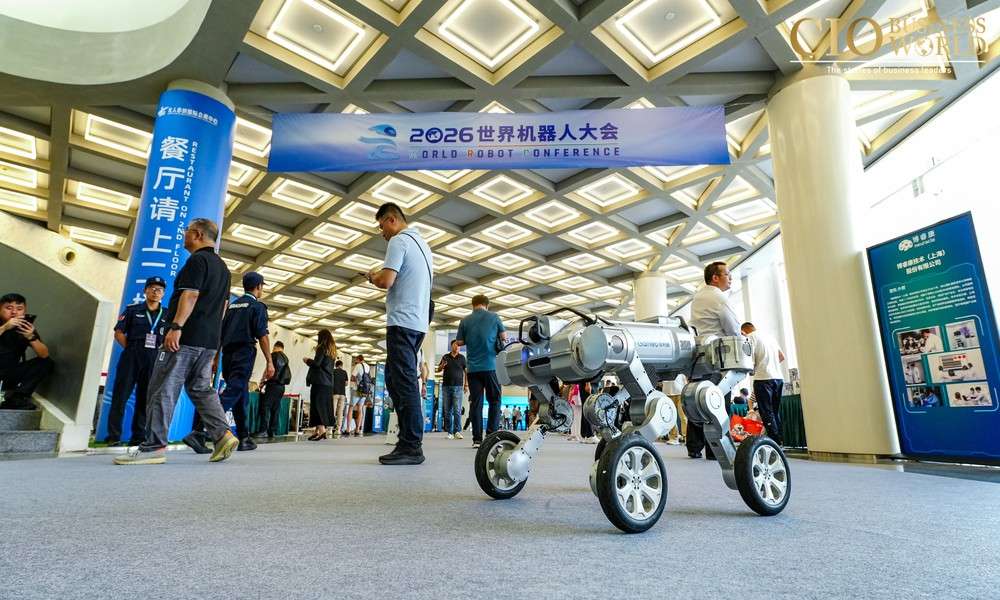
Galileo Robotics has unveiled its Galileo X Ground Mobility System at WRC 2026, introducing a new approach to robotic mobility. The company is moving beyond conventional robot designs with a system focused on practical movement, flexibility, and operation across challenging environments.
Galileo X Introduces a New Approach to Mobility
The Galileo X is designed around what the company describes as an “Embodied Ground Mobility System.” Rather than following familiar robotic forms, the platform takes a different approach to how machines move and interact with their surroundings.
Its design highlights mobility as a central part of the system. This allows the platform to focus on navigating different surfaces and environments while supporting a wide range of potential applications.
Breaking Away From Conventional Robot Designs
Traditional ground robots often follow established layouts that place strong emphasis on wheels, tracks, or fixed body structures. Galileo X takes a different direction by rethinking the relationship between the robot’s body and its movement.
This approach could provide greater flexibility for applications where conventional robotic platforms may face limitations. By placing mobility at the heart of its design, Galileo Robotics aims to create a platform that can adapt to changing operational conditions.
Built for Practical Ground Movement
Ground mobility remains an important challenge for robotics operating outside controlled environments. Uneven surfaces, limited access, changing terrain, and unpredictable conditions can all affect how effectively a robotic system performs.
Galileo X is positioned around addressing these challenges through its mobility-focused architecture. The platform is intended to provide a foundation that can support different operational requirements while maintaining a flexible physical design.
This could make the technology relevant across industries where machines need to move through complex or demanding environments.
A Platform With Wider Potential
One of the notable aspects of Galileo X is its potential versatility. A flexible mobility platform can serve as a foundation for different uses rather than being restricted to a single task.
Future applications could include industrial operations, inspection, logistics, infrastructure support, and other environments where ground-based robotic systems can improve efficiency or access.
The broader value of the platform will depend on how effectively it performs in real-world conditions and how easily it can be adapted to specific operational needs.
Galileo Robotics’ Vision for the Future
The unveiling at WRC 2026 reflects Galileo Robotics’ broader effort to rethink how ground-based machines are designed. Instead of simply improving existing robot formats, the company is exploring a different concept centered on movement and adaptability.
This direction comes as robotics companies increasingly focus on developing machines capable of working alongside people and operating in environments that require greater flexibility.
Shaping the Future of Robotic Mobility
Galileo Robotics’ unveiling of Galileo X at WRC 2026 marks an interesting step in the development of next-generation ground mobility. By moving away from conventional form factors and placing mobility at the center of its design, the company is presenting a fresh approach to robotic systems.
As the platform develops, its real-world performance and applications will determine how significantly it can influence the future of ground robotics.
Read our latest interview with Prabhu [PK] Karunakaran