
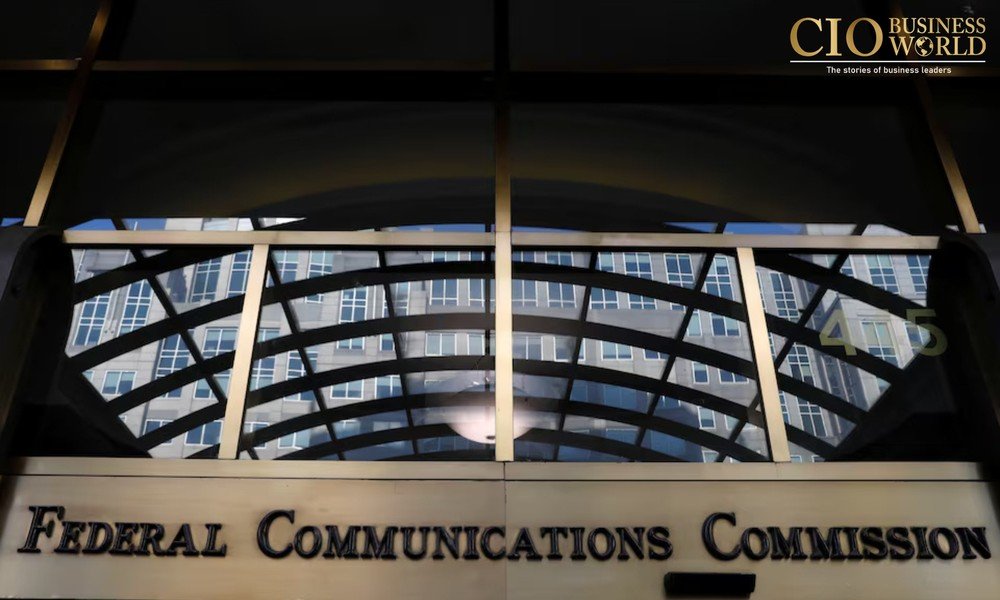
A legal dispute between Disney and the U.S. government is putting questions about broadcast independence, regulation, and free expression in the spotlight. The case involves ABC, which is owned by Disney, and a government review of the network’s broadcast license. Disney argues that government officials are attempting to influence or control what ABC broadcasts.
The dispute has raised a wider discussion on censorship and the limits of government authority over major media organisations. The outcome could have implications for broadcasters and the relationship between media companies and regulators.
Why Is Disney in a Legal Dispute With the U.S. Government?
The Disney ABC dispute centers on the Federal Communications Commission’s authority to review ABC’s broadcast license. Disney is challenging what it describes as government pressure over the network’s editorial decisions.
During court proceedings, Disney’s lawyer argued that the government was seeking to censor or control ABC’s programming. The government has disputed the characterization and maintains that its actions fall within its regulatory responsibilities.
The case therefore involves more than a disagreement over one television network. It raises questions about how far regulators can go when examining broadcasters and whether government action could affect editorial independence.
The Broader Debate Around Censorship
The case has intensified the discussion on censorship, particularly around the role of government in regulating broadcast media.
Traditional television broadcasters operate under federal licensing rules, meaning regulators have responsibilities that do not apply in exactly the same way to many online platforms. However, critics argue that regulatory authority should not become a mechanism for influencing editorial decisions.
Disney’s position is that broadcasters must be able to make programming decisions independently without fear that unfavorable coverage could lead to regulatory consequences.
Why Broadcast Independence Matters
ABC is one of the major U.S. television networks, and its programming reaches a large national audience. Any dispute involving its broadcast license can therefore attract attention across the media industry.
The case also comes at a time when television companies are dealing with changing viewer habits, streaming competition, and declining traditional cable audiences.
The earlier Disney vs Charter dispute, for example, showed how rapidly the traditional television business is changing. That disagreement between Disney and Charter Communications raised broader questions about the future of cable TV and how entertainment companies distribute their content.
What About Disney Censorship Claims?
Searches for Disney censorship department reflect growing public interest in whether large media companies or governments can influence the content audiences receive. Disney has rejected the idea that its editorial decisions should be controlled by government officials.
At the same time, the legal debate highlights the importance of distinguishing between legitimate regulation and direct interference with editorial decisions.
The principle of discouragement of censorship is particularly relevant because even indirect pressure can raise concerns if media organizations believe that certain reporting or programming could trigger regulatory action.
A Case With Wider Media Implications
The court’s handling of the dispute could influence future interactions between government regulators and broadcasters. A decision that strengthens regulatory oversight could give authorities greater room to examine licensed broadcasters, while stronger protections for editorial independence could place clearer limits on government intervention.
The debate is also separate from questions such as Disney banned in India, which relate to different regulatory and market circumstances. The current dispute is primarily focused on ABC’s U.S. broadcast operations and the government’s regulatory authority.
Protecting Regulation and Editorial Freedom
The Disney-ABC case highlights a difficult balance. Broadcast licenses require oversight, but media organizations also need room to make independent editorial decisions.
As the legal process continues, the dispute could become an important test of where that boundary lies. For Disney, the case is about protecting ABC’s independence. For regulators, it raises questions about how broadcast rules should be applied in a rapidly changing media environment.
The outcome may ultimately influence not only Disney and ABC but also how broadcasters across the United States approach government regulation and editorial freedom.
Read our latest interview with Gurpreet Paul