Advertise With Us

Electric Vehicle Sales Are Expected to Increase in 2024

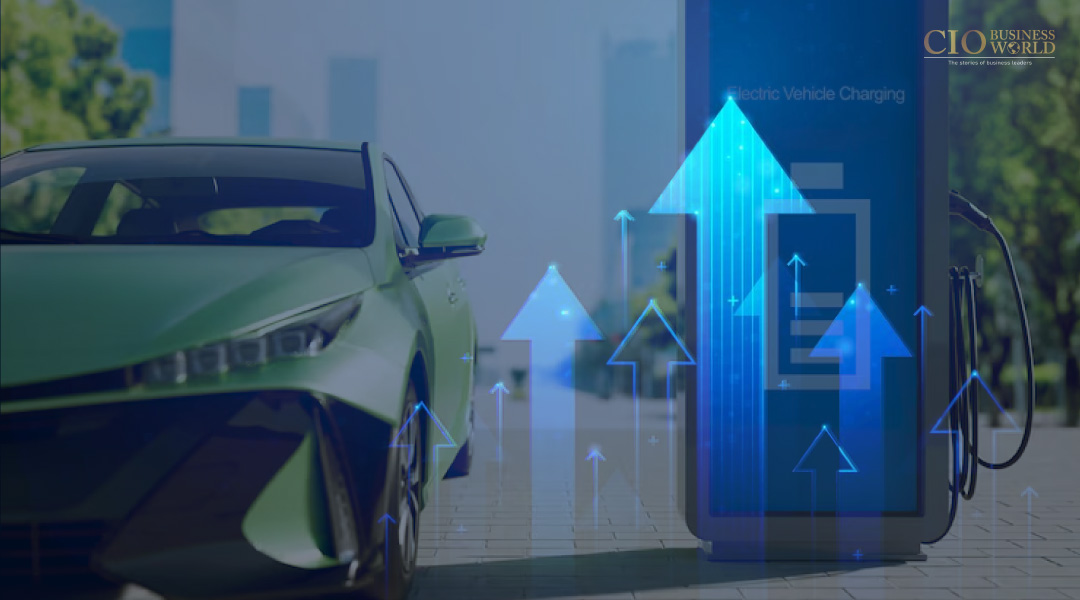
The automobile industry is getting ready for a historic transition in 2024, with electric vehicle (EV) sales expected to increase by 40%. This immense expansion is not surprising, given the growing global awareness of environmental problems and the need for sustainable transportation solutions.

The move to electric vehicles marks an important turning point in the automobile industry, with major manufacturers raising production to meet rising demand. Companies such as Tesla, Nissan, and Volkswagen are leading the way, investing extensively in R&D to advance their EV offerings and acquire a larger market share.

Environmental Impact of Electric Vehicles

The focus on electric vehicles comes from their ability to cut carbon dioxide emissions and combat climate change. With stricter pollution regulations being introduced around the world, consumers are increasingly turning to EVs as a cleaner alternative to traditional combustion engine vehicles. This movement is being driven not only by environmental concerns, but also by government incentives and rules promoting the use of electric vehicles.

Electric vehicles have come a long way in terms of performance and range, addressing concerns that once deterred potential buyers. Advances in battery technology have significantly extended the driving range of EVs, making them a more practical choice for everyday use. Additionally, the proliferation of charging infrastructure has alleviated range anxiety, providing drivers with more confidence in the feasibility of owning an electric vehicle.

Economic Implications of EV Sales Surge

The recent rise in electric vehicle sales is changing the auto industry, but it also has broader economic effects. Countries that invest in EV manufacturing and infrastructure stand to gain a competitive edge in the global market, creating jobs and driving economic growth. Moreover, the shift towards electric mobility is disrupting traditional fuel-based industries, leading to a reevaluation of energy sources and investment strategies.

As electric vehicles become more mainstream, there is a growing need for skilled workers to support various aspects of the EV ecosystem, from manufacturing and assembly to maintenance and servicing. This demand for talent presents opportunities for job creation and workforce development, particularly in regions where EV adoption is rapidly accelerating.

Overcoming Challenges in the EV Market

Despite the optimistic outlook for electric vehicle sales, there are still challenges to overcome. Issues such as battery costs, charging infrastructure, and supply chain constraints remain significant hurdles for widespread adoption. Addressing these challenges will require collaboration among industry stakeholders, policymakers, and technology innovators to develop sustainable solutions.

Finally, the expected 40% increase in electric car sales by 2024 marks a watershed moment for the automobile sector. With technological developments, increasing consumer attitudes, and supportive government regulations, electric vehicles have the potential to transform transportation and pave the way for a cleaner, more sustainable future.

Luminar is Cutting Approximately 20 Percent of Its Employees as Part of Restructuring

Luminar Technologies, an established manufacturer of automotive lidar technology, has revealed a major restructuring plan that includes laying off nearly 20% of its personnel. This decision was made in the face of financial difficulties and is intended to streamline operations in order to promote future growth and sustainability.

Reasons behind the Restructuring

The decision to downsize comes as Luminar faces financial pressures and seeks to address inefficiencies within the organisation. By restructuring, the company aims to optimize its resources and improve operational effectiveness. Market dynamics, including shifts in demand and competitive pressures, have also influenced this strategic move.

Employee Layoffs

Luminar’s restructuring plan will impact various departments across the company, including engineering, manufacturing, and administrative roles. While the exact number of employees affected has not been disclosed, Luminar is committed to providing support and resources to those impacted by the layoffs. This includes severance packages, career counseling, and assistance in finding new employment opportunities.

Reaction from Luminar

Austin Russell, CEO of Luminar, expressed the company’s rationale behind the restructuring, emphasizing the need to adapt to changing market conditions and position Luminar for long-term success. He reiterated Luminar’s commitment to innovation and delivering cutting-edge lidar solutions to its customers.

Industry Analysis

Luminar’s decision to restructure reflects a broader trend within the tech industry, where companies are reevaluating their operations to stay competitive and agile in a rapidly evolving market. Similar moves by other tech firms highlight the challenges and opportunities facing the industry as it navigates economic uncertainties and technological advancements.

Future Outlook

Despite the short-term challenges posed by the restructuring, Luminar remains optimistic about its future prospects. By focusing on core competencies and investing in strategic initiatives, the company aims to emerge stronger and more resilient. With a continued commitment to innovation and customer satisfaction, Luminar is poised to maintain its leadership position in the automotive lidar market.

Conclusion

To summarize, Luminar’s plan to remove approximately 20 percent of its employment is an intentional choice toward addressing financial issues while improving operational efficiency. While the change in structure could lead to immediate delays, it positions Luminar for long-term growth and success in a competitive market environment.

10 Best EV Batteries Manufacturers in the USA

In recent years, the global auto sector has seen a major move toward electric vehicles (EVs), motivated by the need for immediate action to address climate change and reduce reliance on fossil fuels. Advancements in EV battery technology are at the heart of this transformation, paving the path for longer driving ranges, faster charging times, and improved overall performance. In this article, we look at the top 10 EV Batteries Manufacturers in the United States, with each playing an important part in influencing the future of transportation.

Here we listed Top 10 EV Batteries Manufacturers in the USA:

1. Tesla

Elon Musk founded Tesla in 2003, and the company has since become a market leader in electric vehicles, known for its modern battery technology and stylish electric vehicles. Tesla’s proprietary batteries, manufactured at Gigafactories throughout the world, have industry-leading energy density and endurance, and power classic models such as the Model S, Model 3, and Model X.

2. Panasonic Corporation:

Panasonic Corporation works closely with Tesla and is a major supplier of lithium-ion batteries for Tesla’s electric vehicles. With a strong emphasis on research and development, Panasonic is constantly improving the performance and efficiency of its batteries, contributing to the success of Tesla’s EV portfolio. Beyond automotive applications, Panasonic’s batteries are used in a variety of consumer gadgets and renewable energy storage systems, demonstrating the company’s broad portfolio and dedication to sustainability.

3. LG Chem:

As one of the world’s largest chemical businesses, LG Chem has established itself as a top supplier of lithium-ion batteries for electric vehicles. LG Chem’s batteries have innovative safety technologies and high energy density, resulting in better performance and dependability across a wide range of EV models. LG Chem is well-positioned to shape the future of electrified mobility thanks to its global footprint and strategic partnerships with manufacturers throughout the world.

4. Samsung SDI:

Samsung SDI is well-known for its innovative battery solutions that are beneficial to a broad spectrum of industries, including automotive, energy storage, and mobile devices. Samsung SDI manufactures high-performance batteries for electric vehicles, leveraging its expertise in lithium-ion technology to provide increased energy density and fast charging capabilities. The company’s dedication to sustainability is apparent in its efforts to develop eco-friendly products and recycling programs, which are accelerating the shift to a greener future.

5. CATL (Contemporary Amperex Technology Co. Limited):

CATL is a global lead in lithium-ion battery production, focusing on energy storage solutions for electric vehicles and renewable energy systems. CATL produces cutting-edge battery solutions with high energy density and long cycle life thanks to state-of-the-art manufacturing facilities and a focus on innovation.

6. BYD Company Limited:

BYD Company Limited, founded in 1995, is a Chinese multinational business renowned for its competence in electric vehicles and rechargeable batteries. BYD’s lithium iron phosphate (LiFePO4) batteries are exceptionally safe and thermally stable, making them excellent for use in electric vehicles, buses, and energy storage.

7. A123 Systems:

A123 Systems is a pioneer in lithium-ion battery technology, focusing on high-power and high-energy solutions for automotive and industrial applications. The company’s Nanophosphate® technology provides rapid charging, longer cycle life, and improved performance, making it a popular choice among electric car producers.

8. Johnson Controls International:

Johnson Controls International, with a century-long the past, is a popular manufacturer of batteries and energy storage solutions for automotive and industrial markets. The company’s AGM and EFB batteries are engineered to satisfy the rigorous demands of hybrid and electric vehicles, providing bigger performance and durability.

9. SK Innovation:

SK Innovation is a worldwide energy firm at the forefront of the electric vehicle revolution, focusing on lithium-ion battery development and manufacturing. The company’s NCM and NCA battery technologies provide high energy density, rapid charging capabilities, and outstanding thermal control, allowing for outstanding efficiency in electric vehicles.

10. Electrovaya Inc.:

Electrovaya Inc. is a Canadian lithium-ion battery company known for its unique SuperPolymer® technology and advanced energy storage products. The company’s batteries have the industry’s highest energy density, fastest charging speeds, and longest cycle life, making them perfect for electric vehicles, forklifts, and stationary energy storage applications.

Conclusion:

Major advances in EV battery technology are causing a profound in the automobile industry, ushering in a new era of sustainable mobility and lower carbon emissions. The top 10 EV Batteries Manufacturers in the United States are at the vanguard of this revolution, pushing the limits of innovation and influencing the future of mobility. By leveraging lithium-ion technology and promoting sustainability, these companies

Addressing Challenges and Promoting Equity in Healthcare

In the pursuit of universal health coverage and equitable access to quality care, numerous challenges persist, posing significant barriers to health and well-being for millions around the world. From socioeconomic disparities to systemic inequities, these challenges demand urgent attention and concerted efforts to ensure that everyone has the opportunity to attain the highest level of health possible. Addressing these challenges and promoting equity in healthcare requires a multifaceted approach that addresses the root causes of disparities while advocating for policies and practices that prioritize fairness, inclusivity, and social justice.

Foremost Challenges In Healthcare Equity

One of the foremost challenges in healthcare equity is the pervasive impact of socioeconomic factors on health outcomes. Income inequality, lack of access to education, employment opportunities, and safe housing all contribute to disparities in health status and access to care. To address these challenges, it is essential to adopt social determinants of health approach that recognizes the interconnectedness of social, economic, and environmental factors with health outcomes. By investing in social programs, poverty alleviation initiatives, and community-based interventions, we can mitigate the effects of socioeconomic disparities and create environments that support health and well-being for all.

Additionally, systemic inequities within healthcare systems perpetuate disparities in access to care, treatment outcomes, and quality of services. Discrimination, bias, and cultural incompetence often result in marginalized populations receiving substandard care or being excluded from healthcare altogether. To promote equity in healthcare, it is imperative to address these systemic inequities through policy reform, cultural competency training, and the implementation of anti-discrimination measures. By fostering inclusive healthcare environments that respect the dignity and rights of all individuals, we can ensure that everyone receives care that is respectful, responsive, and of the highest quality.

Furthermore, geographic disparities in healthcare access present significant challenges to achieving equity in health outcomes. Rural and underserved communities often lack adequate healthcare infrastructure, including hospitals, clinics, and trained healthcare professionals. As a result, residents of these areas face barriers to accessing essential healthcare services, leading to poorer health outcomes and increased mortality rates. To address these disparities, it is essential to invest in rural healthcare infrastructure, expand access to telemedicine and mobile health services, and incentivize healthcare professionals to practice in underserved areas. By ensuring that everyone, regardless of where they live, has access to timely, affordable, and culturally appropriate care, we can narrow the gap in health outcomes and promote equity in healthcare delivery.

Moreover, addressing challenges and promoting equity in healthcare requires a commitment to data-driven decision-making and evidence-based interventions. Collecting and analyzing

disaggregated health data allows us to identify disparities, monitor progress, and tailor interventions to address the specific needs of different populations. By investing in health information systems, strengthening health surveillance, and conducting research on health disparities, we can develop targeted strategies to promote equity in healthcare and improve health outcomes for all.

In conclusion, addressing challenges and promoting equity in healthcare is a complex but essential endeavor that requires collaboration, innovation, and unwavering commitment from governments, healthcare providers, civil society organizations, and communities alike. By addressing the root causes of disparities, addressing systemic inequities, expanding access to care, and leveraging data and evidence to inform decision-making, we can create a future where everyone has the opportunity to live a healthy and fulfilling life, regardless of their background or circumstances.

Empowering Women in Healthcare

In every corner of the globe, women play indispensable roles in healthcare, serving as caregivers, clinicians, researchers, administrators, and leaders. Despite their significant contributions, gender disparities persist within the healthcare industry, hindering the full realization of their potential and the delivery of equitable care. Empowering women in healthcare is not only a matter of justice and equality but also a strategic imperative for driving change, innovation, and progress in the field.

Heart of Empowering Women In Healthcare

At the heart of empowering women in healthcare lies the recognition of their inherent value and expertise. Women bring unique perspectives, skills, and experiences to the table, enriching the fabric of healthcare delivery and decision-making. By leveraging their diverse talents and insights, healthcare organizations can foster creativity, enhance problem-solving capabilities, and drive innovation across the continuum of care. From developing cutting-edge treatments to designing patient-centered interventions, women are at the forefront of driving transformative change in the healthcare landscape.

Empowering women in healthcare also entails dismantling systemic barriers that impede their advancement and leadership opportunities. Gender bias, discrimination, and structural inequities persist in many healthcare settings, limiting women’s access to leadership roles, career advancement, and professional development opportunities. Addressing these challenges requires a multifaceted approach, including proactive policies, mentorship programs, and organizational culture shifts that promote inclusivity, diversity, and equal representation. By creating environments where women feel valued, supported, and empowered to excel, healthcare organizations can unlock their full potential and drive positive change at all levels.

Furthermore, empowering women in healthcare is essential for addressing the unique health needs of women and girls worldwide. Women’s health encompasses a broad spectrum of issues, including reproductive health, maternal care, chronic diseases, and mental health, among others. By amplifying women’s voices and perspectives in healthcare decision-making, we can ensure that policies, programs, and services are responsive to their needs and experiences. Empowered women in healthcare are powerful advocates for gender-sensitive approaches, promoting access to comprehensive care, reproductive rights, and health education initiatives that empower women to make informed decisions about their health and well-being.

Empowering women in healthcare also holds the key to fostering a more inclusive and equitable workforce. By breaking down barriers to entry and advancement, we can cultivate a healthcare workforce that reflects the diversity of the populations it serves. This diversity not only enhances cultural competence and responsiveness but also drives innovation and excellence in care delivery. Moreover, empowered women leaders serve as role models and mentors, inspiring the next generation of women healthcare professionals to pursue their passions and realize their full potential in the field.

conclusion

In conclusion, empowering women in healthcare is essential for driving change, innovation, and progress in the industry. By recognizing and addressing gender disparities, dismantling systemic barriers, amplifying women’s voices, and fostering inclusive workplaces, we can harness the full potential of women in healthcare to create a healthier, more equitable world for all. As we continue our efforts to empower women in healthcare, let us reaffirm our commitment to gender equality, diversity, and inclusion, recognizing that the empowerment of women is not only a moral imperative but also a strategic imperative for advancing the future of healthcare.

Unlocking Potential: Employee Learning and Development in the Digital Era

In today’s rapidly evolving digital landscape, the traditional approach to employee learning & development is undergoing a profound transformation. With advancements in technology and shifting workplace dynamics, organisations are recognising the critical importance of investing in continuous learning to stay competitive and adapt to change.

Gone are the days of static training programs and one-size-fits-all approaches. In the digital era, learning and development initiatives are becoming more personalized, flexible, and accessible than ever before.

Here’s how organisations are leveraging digital tools and strategies to foster employee growth and development:

1. On-Demand Learning Platforms:

With the rise of digital learning platforms and online courses, employees have the flexibility to access learning resources anytime, anywhere. Whether it’s through interactive modules, video tutorials, or virtual classrooms, employees can tailor their learning experience to fit their schedule and learning style.

2. Microlearning:

Short, bite-sized learning modules are gaining popularity as they allow employees to consume information in small increments, making it easier to digest and retain. Microlearning can be delivered through mobile apps, podcasts, or even social media platforms, enabling employees to learn on the go and integrate learning into their daily routines.

3. Personalized Learning Paths:

Leveraging data analytics and artificial intelligence, organizations can analyze employee performance, skills gaps, and learning preferences to create personalized learning paths. By recommending relevant courses and resources tailored to each employee’s needs and career aspirations, organizations can drive engagement and motivation.

4. Virtual Reality (VR) and Augmented Reality (AR):

Immersive technologies like VR and AR are revolutionizing employee training by providing realistic simulations and hands-on experiences. From virtual simulations of real-life scenarios to interactive training modules, VR and AR are enhancing employee learning outcomes and improving skill acquisition.

5. Collaborative Learning Communities:

Social learning platforms and online forums enable employees to collaborate, share knowledge, and learn from each other. By fostering a culture of continuous learning and knowledge sharing, organizations can tap into the collective intelligence of their workforce and drive innovation.

6. Continuous Feedback and Assessment:

Real-time feedback mechanisms and assessments allow employees to track their progress, identify areas for improvement, and receive ongoing support and guidance. By providing timely feedback and recognition, organizations can reinforce learning outcomes and motivate employees to achieve their goals.

7. Leadership Development:

In addition to technical skills training, organizations are investing in leadership development programs to cultivate the next generation of leaders. Through mentorship, coaching, and experiential learning opportunities, employees can develop essential leadership competencies and drive organizational growth.

In conclusion,

employee learning and development in the digital era is not just a necessity but a strategic imperative for organizations looking to thrive in today’s fast-paced business environment. By embracing digital tools and innovative learning strategies, organizations can empower their employees to unlock their full potential, drive performance, and fuel organizational success.

The Power of Data: Harnessing Insights for Informed Decision-Making

In today’s data-driven world, organizations across industries are increasingly recognizing the value of harnessing data to drive informed decision-making. From customer preferences to market trends, data provides valuable insights that enable organizations to make strategic decisions with confidence. Here’s how organizations can effectively harness data to inform their decision-making processes:

1. Data Collection and Aggregation: The first step in harnessing data is collecting and aggregating relevant information from various sources, including internal databases, external sources, and third-party data providers. By consolidating data from disparate sources into a centralized repository, organizations can gain a comprehensive view of their operations, customers, and market landscape.

2. Data Quality and Governance: Ensuring data quality and governance is essential for generating reliable insights. Organizations must establish robust data governance policies and procedures to maintain data accuracy, consistency, and integrity. By implementing data quality controls and validation processes, organizations can minimize errors and discrepancies that may compromise decision-making.

3. Data Analysis and Visualization: Once data is collected and validated, organizations can leverage advanced analytics tools and techniques to analyze and visualize the data. From descriptive analytics to predictive modeling and machine learning algorithms, organizations can uncover patterns, trends, and correlations in the data that inform decision-making. Data visualization tools, such as dashboards and interactive reports, help stakeholders understand complex data insights intuitively and make data-driven decisions effectively.

4. Identifying Key Metrics and KPIs: Organisations should identify key performance indicators (KPIs) and metrics that align with their strategic objectives and business goals. By tracking and monitoring these metrics regularly, organisations can measure progress, identify areas for improvement, and make data-driven adjustments to their strategies and operations.

5. Predictive Analytics and Forecasting: Predictive analytics techniques enable organizations to anticipate future trends and outcomes based on historical data and statistical models. By leveraging predictive analytics and forecasting, organizations can anticipate market demand, optimize resource allocation, and mitigate risks proactively.

6. Data-Driven Culture and Decision-Making: Fostering a data-driven culture is essential for promoting informed decision-making across the organization. Organizations should encourage data literacy and empower employees at all levels to access and analyze data effectively. By integrating data-driven decision-making into organizational processes and workflows, organizations can drive a culture of accountability, transparency, and continuous improvement.

7. Iterative Decision-Making Process: Decision-making should be an iterative process informed by ongoing data analysis and feedback. Organizations should continuously monitor performance metrics, evaluate outcomes, and refine their strategies based on new insights and changing market dynamics. By embracing agility and adaptability, organizations can stay ahead of the curve and make informed decisions that drive sustainable growth and success.

In conclusion,

harnessing data for informed decision-making is a critical competency for organizations looking to thrive in today’s competitive landscape. By adopting a strategic approach to data collection, analysis, and visualization, organizations can unlock valuable insights that inform strategic planning, drive operational efficiency, and deliver superior outcomes for their stakeholders.

Driving Corporate Success: The Impactful Role of HR Leaders

The ever-changing landscape of the professional world is incomplete without Human Resource (HR) leaders. HR leaders are the unsung heroes, orchestrating the balance between talent management, organizational culture, and growth. They are the one who operate management behind the scenes, leaving and indelible mark on the corporate sphere.

Cultivating Corporate Culture

HR leaders are shaping and nurturing the office culture, creating a place where employees contribute their best. Thus by fostering values, promoting clarity, and encouraging collaboration, these leaders pave the way for a workplace that is beyond just a 9-5 job.

Data-Driven HR Practices:

In this age of data-driven approaches decision-making processes is crucial. And thus by leveraging these visionaries gain insights into satisfaction, performance metrics, and hiring processes. This skills allows companies to make informed choices, optimizing their maximum efficiency and productivity.

Champions of Diversity and Inclusion:

Their commitment to diversity has become a huge cornerstone of progressive leadership. Beyond compliance, they are the champions behind the idea that a diverse workforce brings a variety of perspectives, fostering innovation and resilience.

Elevating the Employee Experience:

Right from onboarding to continuous learning opportunities, these leaders ensure that every touch point journey contributes to a positive experience. This approach not just boosts morale but enhances retention rates and overall satisfaction.

Transformative Leadership Initiatives

HR are at the face of transformative initiatives that redefine leadership. Emphasizing purpose-driven leadership, they recognize the value of aligning goals with huge societal impact. Their initiatives are centered on social responsibility and employee well-being, thus becoming an integral part of the corporate agenda.

Thought Leadership in HR

The industry influencers and experts are shaping conversations in workplace trends, methodologies, and talent management strategies. Thus providing valuable insights, these leaders guide HR in navigating the ever-changing landscape of the professional world.

Advocacy for Workforce Policies

HR wear the hat of advocates that have an impact on the broader labor landscape. Be it shaping conversations around workplace, labor trends, or the future of work, they play a important role in influencing policy decisions.

Conclusion

Lastly in the stride of organizational success, HR are the conductors, harmonizing the diverse elements that contribute to organizational brilliance. The impact they have is cohesive with the data-driven decisions they champion, and the transformative initiative they spearhead. As we look into the future, they will continue to shape the narrative of the corporate world, creating workplaces that are not just successful but equally socially responsible and employee-centric. Overall, their legacy not just belongs to policies, but in the vibrant and resilient organizations they create.

Pioneering the Future: HR Leaders at the Helm of Corporate Transformation

Human Resources (HR) leaders are playing an increasingly pivotal role in steering corporate success in the dynamic landscape of the business world. In this article, we will explore the key trends and strategies HR leaders are employing to drive organizational growth, foster a thriving workplace culture, and navigate the challenges of an evolving corporate environment.

Employee Experience and Wellbeing

Modern HR leaders recognize the critical importance of prioritizing employee experience and wellbeing. With a focus on creating positive workplace cultures, HR professionals are championing initiatives related to mental health, work-life balance, and employee engagement. Flexible work arrangements, wellness programs, and fostering a sense of belonging are central to enhancing the overall employee experience.

Digital HR Transformation

The digitization of HR processes is a defining trend, with HR leaders leveraging technology to streamline operations and enhance efficiency. Automated recruitment processes, employee self-service platforms, and data analytics for talent management are becoming integral components of HR strategies. The shift towards cloud-based HR systems is enabling real-time data access and insights for informed decision-making.

Diversity, Equity, and Inclusion

HR leaders are driving initiatives to create diverse, equitable, and inclusive workplaces. Recognizing the business benefits of diverse perspectives, HR professionals are implementing inclusive hiring practices, providing diversity training, and fostering an inclusive corporate culture. DEI efforts are not only ethical imperatives but also contribute to innovation and improved organizational performance.

Agile Talent Management

The nature of work is evolving, and HR leaders are adapting talent management strategies to embrace agility. This includes promoting continuous learning and upskilling, encouraging a growth mindset, and facilitating career development opportunities. HR professionals are at the forefront of creating agile work environments that enable employees to thrive in an ever-changing landscape.

Remote and Hybrid Work Models

The COVID-19 pandemic accelerated the adoption of remote work, and HR leaders are navigating the transition to hybrid work models. Balancing flexibility with the need for collaboration, HR professionals are redefining policies, implementing technology solutions for virtual collaboration, and fostering a sense of connectivity among remote and on-site teams.

Employee Learning and Development

The emphasis on continuous learning is a cornerstone of HR strategies, with leaders

recognizing the importance of upskilling and reskilling employees. HR professionals are implementing innovative learning platforms, mentorship programs, and personalized development plans to nurture the skills required for the future of work.

Data-Driven Decision-Making

HR leaders are leveraging data analytics to make informed decisions related to talent acquisition, performance management, and workforce planning. Utilizing people analytics, HR professionals can identify trends, assess employee engagement, and proactively address challenges, contributing to more effective and strategic decision-making.

Conclusion

In an era of rapid change and unprecedented challenges, HR leaders are at the forefront of driving corporate transformation. By embracing digitalization, fostering inclusive cultures, and prioritizing employee wellbeing, HR professionals are not only shaping the future of work but also contributing to the overall success and resilience of organizations in the corporate world. As HR continues to evolve, these leaders will play a crucial role in navigating uncertainties and championing initiatives that propel their organizations towards sustainable growth and success.

The Transformative Power of Purpose-Driven Marketing: A Paradigm Shift in CMO Strategies

The modern marketing, CMOs are steering their strategies towards a transformative approach one that is purpose-drive. Beyond the traditional methods, purpose-driven marketing puts the focus on brand’s core values. That is why this blog explores the impact of purpose-driven marketing, examining how it transcends conventional practices and resonates with the values of consumers.

Understanding Purpose-Driven Marketing

The purpose-driven marketing is the one that aligns with brand’s values adding to the meaningful cause. It transcends the transactional nature, focusing on building authentic connections with consumers sharing similar values. CMOs are realizing this shift, where authenticity, CSR, and ethical practices play an important role in brand building.

Building Authentic Connections

The era of purpose-driven marketing, are steering away from superficial brand messaging. They are crafting narratives that authentically communicates the brand’s commitment to all causes. This resonates with seeking meaningful connections with the brands they choose.

Aligning with Social and Environmental Causes

The CMOs are increasingly leveraging purpose-driven marketing that aligns their brands with environmental causes. Whether it is about promoting sustainability, social justice initiatives, or brands coming together for positive change. CMOs understand that by aligning with causes they can create a deeper connection with audience.

Fostering Employee Engagement

The purpose-driven marketing is not just confined to external audiences, but plays a crucial role in employee engagement. CMOs are realizing a sense of purpose in the workplace for a more motivated and dedicated team. Thus by aligning CMOs create a cohesive narrative that resonates with employees and consumers.

Measuring Impact beyond Profits

The marketing success is often measured in terms of sales and revenue. Moreover the purpose-driven marketing introduces a broader spectrum of metrics. The CMOs are now measuring their impact in terms of social and environmental outcomes. The metrics like social engagement, brand sentiment provides a comprehensive view of success.

Overcoming Challenges

While the purpose-driven marketing has immense potential, CMOs face issues in navigating this shift. Authenticity is important and any perception of green washing can lead to a loss of trust. The CMOs should carefully integrate purpose into the brand narrative, ensuring it aligns with the brand’s values and actions.

Case Studies: Exemplifying Purpose-Driven Success

The successful campaigns provides valuable insights for the CMOs. The brands like Patagonia, TOMs, and Ben & Jerry have shown the effectiveness of purpose-driven marketing in not just brand equity but building a loyal customer base.

Conclusion

Navigating the ever-evolving marketing market, purpose-driven strategies are rising as a powerful catalyst for change. Beyond profit-driven motives, the purpose-driven marketing allows brands to connect with consumers on a much deeper level, fostering a sense of shared values. This impact of purpose-driven marketing on CMO is evident, making a shift towards more meaningful and authentic brand-consumer relationships in the digital age.