Advertise With Us

Opportunities and Challenges in Implementing AI: Navigating the Path to Success

Artificial Intelligence (AI) presents a myriad of opportunities for businesses, governments, and society at large, offering the potential to streamline operations, enhance decision-making, and drive innovation. However, along with these opportunities come significant challenges that must be navigated to realize the full potential of AI. Understanding both the opportunities and challenges is essential for organizations seeking to leverage AI effectively and responsibly.

Opportunities:

1. Increased Efficiency: AI technologies can automate repetitive tasks, optimize processes, and improve productivity, allowing organizations to allocate resources more efficiently and focus on higher-value activities.

2. Enhanced Decision-Making: AI-powered analytics can analyze vast amounts of data, uncover insights, and provide predictive capabilities, enabling better-informed decision-making and more effective strategic planning.

3. Personalized Experiences: AI algorithms can analyze user data to deliver personalized recommendations, content, and services, enhancing customer experiences and driving engagement and loyalty.

4. Innovation and Creativity: AI can augment human creativity by generating novel ideas, assisting in design tasks, and facilitating collaboration, fostering a culture of innovation within organizations.

5. Improved Healthcare Outcomes: AI-driven diagnostics, predictive analytics, and personalized treatment plans have the potential to revolutionize healthcare, leading to earlier detection, more accurate diagnoses, and better patient outcomes.

Challenges:

1. Data Quality and Bias: AI models are only as good as the data they are trained on, and biased or incomplete data can lead to skewed results and perpetuate inequalities. Ensuring data quality and addressing bias is crucial for the ethical and responsible use of AI.

2. Ethical Concerns: AI raises complex ethical issues, including concerns about privacy, transparency, accountability, and the impact on jobs and society. Organizations must consider the ethical implications of their AI systems and implement safeguards to mitigate risks.

3. Talent Shortage: There is a growing demand for AI talent, including data scientists, machine learning engineers, and AI ethicists, but a shortage of skilled professionals in these fields. Building a diverse and inclusive AI workforce is essential for driving innovation and addressing emerging challenges.

4. Regulatory and Legal Uncertainty: The rapid pace of AI innovation has outpaced regulatory frameworks, leading to uncertainty about legal and ethical standards for AI deployment. Clear regulations and guidelines are needed to ensure that AI technologies are developed and used responsibly.

5. Security and Privacy Risks: AI systems are vulnerable to cyberattacks, data breaches, and adversarial attacks, posing risks to sensitive information and critical infrastructure. Robust cybersecurity measures and privacy protections are essential for safeguarding AI systems and maintaining trust.

Navigating the implementation of AI requires organizations to strike a balance between leveraging the opportunities it presents and addressing the challenges it poses. This involves investing in talent development, prioritizing ethical considerations, collaborating with stakeholders, and embracing a culture of responsible innovation. By proactively addressing these opportunities and challenges, organizations can harness the transformative power of AI to drive

Sustainable growth, improve outcomes, and create value for society.

From Automation to Augmentation: Transforming the Future of Work

In recent years, the rise of automation has sparked debates about its potential impact on the workforce, with concerns about job displacement and the erosion of traditional roles. However, a shift is underway as we move from viewing automation as a threat to embracing it as a tool for augmentation, enhancing human capabilities and reshaping the nature of work. This transition holds the promise of unlocking new opportunities, fostering innovation, and empowering workers to thrive in the digital age.

Automation, powered by advancements in artificial intelligence, robotics, and machine learning, has already revolutionized many industries, streamlining processes, increasing efficiency, and driving productivity gains. While some tasks may become automated, the focus is increasingly shifting towards leveraging automation to augment human capabilities, rather than replace them entirely. This approach recognizes that humans possess unique skills, such as creativity, empathy, and complex problem-solving, that are difficult to replicate with machines.

Augmentation involves integrating automation technologies into workflows to enhance human performance, enable new ways of working, and unlock new possibilities. For example, in healthcare, AI-powered diagnostic tools can assist physicians in analyzing medical images and identifying patterns that may be imperceptible to the human eye, leading to more accurate diagnoses and better patient outcomes. Similarly, in manufacturing, collaborative robots, or cobots, can work alongside human workers to perform repetitive or physically demanding tasks, freeing them to focus on more complex and value-added activities.

Education and Training System

The shift from automation to augmentation also requires a reimagining of education and training systems to equip workers with the skills and competencies needed to thrive in a digital economy. This includes fostering digital literacy, critical thinking, adaptability, and lifelong learning, as well as providing opportunities for upskilling and reskilling to meet evolving job demands. By investing in human capital development, we can ensure that workers are prepared to harness the potential of automation and navigate the changing landscape of work.

Furthermore, the transition to augmentation presents opportunities for businesses to innovate and create new value propositions. By integrating automation technologies into their operations, organizations can optimize processes, improve customer experiences, and drive growth. For example, in retail, AI-powered chatbots can provide personalized recommendations and support to customers, enhancing engagement and loyalty. In finance, automated algorithms can analyze vast amounts of data to detect fraudulent activities and mitigate risks, safeguarding the integrity of financial systems.

However, as we embrace the potential of augmentation, it is essential to address potential challenges and risks, including concerns about job displacement, inequality, and ethical

considerations surrounding the use of automation technologies. This requires proactive measures to ensure that the benefits of augmentation are equitably distributed and that workers are supported through periods of transition. It also necessitates ethical frameworks and guidelines to govern the responsible development and deployment of automation technologies, ensuring that they align with societal values and respect human dignity.

Harness Technology in the Workplace

In conclusion, the transition from automation to augmentation represents a paradigm shift in how we perceive and harness technology in the workplace. By embracing automation as a tool for augmentation, we can unlock new opportunities, enhance human capabilities, and create a future where humans and machines collaborate synergistically to drive innovation and prosperity. However, realizing this vision requires collective action, collaboration, and a commitment to ensuring that the benefits of augmentation are shared by all.

Pioneering the Future: How Digital Transformation Leaders are Shaping Tomorrow

In today’s digitally-driven world, the landscape of business is undergoing a profound transformation. At the forefront of this revolution are visionary leaders who are harnessing the power of technology to drive innovation, enhance efficiency, and create new opportunities.

Here’s a closer look at how these digital transformation leaders are shaping the future:

1. Embracing Disruption: Digital transformation leaders understand that disruption is inevitable in the fast-paced world of technology. Instead of fearing change, they embrace it as an opportunity to challenge the status quo and drive innovation. By adopting agile methodologies and fostering a culture of experimentation, these leaders empower their organizations to adapt and thrive in an ever-evolving digital landscape.

2. Customer-Centricity: At the heart of digital transformation lies a relentless focus on the customer. Leaders in this space prioritize understanding customer needs and preferences, leveraging data and analytics to gain actionable insights. By delivering personalized experiences and seamless interactions across digital channels, they create value for customers and build long-lasting relationships.

3. Data-Driven Decision Making: Data is the lifeblood of digital transformation, and leaders in this space understand its power to drive informed decision-making. By harnessing big data, artificial intelligence, and machine learning technologies, they gain valuable insights into market trends, customer behavior, and operational performance. This enables them to make data-driven decisions that drive growth and innovation.

4. Agility and Flexibility: In today’s rapidly changing business environment, agility is key to success. Digital transformation leaders prioritize flexibility and adaptability, enabling their organizations to respond quickly to changing market dynamics and customer needs. They embrace agile methodologies, iterative development processes, and cross-functional collaboration to accelerate innovation and drive results.

5. Digital Talent Development: Building a skilled workforce is essential for driving digital transformation. Leaders in this space invest in recruiting, training, and retaining top digital talent, equipping their teams with the skills and expertise needed to drive innovation and deliver results. They foster a culture of continuous learning and development, empowering employees to embrace new technologies and adapt to changing roles.

6. Strategic Partnerships: Collaboration is essential for success in the digital age, and digital transformation leaders understand the value of strategic partnerships. Whether partnering with technology vendors, startups, or industry peers, they seek out opportunities to leverage external expertise and resources to accelerate innovation and drive growth. By building strong partnerships, they position their organizations for success in a rapidly evolving digital ecosystem.

7. Ethical and Responsible Innovation: As technology continues to advance, digital transformation leaders prioritize ethical and responsible innovation. They understand the importance of data privacy, cybersecurity, and responsible AI practices, ensuring that their organizations operate with integrity and respect for societal values. By embedding ethics and responsibility into their digital transformation strategies, they build trust and credibility with customers, employees, and stakeholders.

In summary, digital transformation leaders are pioneering the future of business by embracing disruption, prioritizing customer-centricity, leveraging data-driven insights, fostering agility and flexibility, investing in digital talent development, forging strategic partnerships, and promoting ethical and responsible innovation. By leading with vision, courage, and integrity, these leaders are shaping a future where technology drives progress, innovation, and positive change.

Read Full Magazine – Experts Leaders in Digital Transformation Creating Global Impact, 2024

The Transformative Role of Digital Innovators in Driving Worldwide Impact

The interconnected world we live in today plays an important role in shaping the global landscape driving change across industries. It is through their creativity and technological prowess, these innovators are catalyzing progress on a global scale. Fostering growth their contributions are reshaping the way we live and interact with the world around us. 

Leveraging technology

At the center of this digital revolution are individuals who are leveraging technology to address pressing challenges. These innovators are not just disrupting but driving economic growth, and fostering innovation that spans continents. 

The most significant contributions of innovators is their ability to democratize access to information. Through digital platforms, they are breaking down barriers enabling individuals from diverse backgrounds to healthcare, finance, education, and other essential resources. Whether it’s about online learning platforms for creating mobile banking solutions for the unbaked developing telemedicine services for remote areas, these digital innovators are expanding access to improve the quality of life for people around the globe. 

However these innovators are driving economic growth by empowering entrepreneurs, businesses, and startups to thrive in a digital economy. With e-commerce platforms and digital marketplaces, innovators are connecting entrepreneurs with customers and mentors enabling them to scale their ventures on a global scale. By giving access to markets, digital innovators are leveling the playing field to prosperity for aspiring entrepreneurs. 

Fostering Economic Empowerment

Innovators are driving social and environmental impact through initiatives. Right from leveraging AI and data analytics to handle climate change and environmental degradation, they are harnessing the power of technology to address pressing challenges. Thus by leveraging expertise, digital innovators are catalyzing collective action driving change on a global scale. 

Moreover, digital innovators are driving impact worldwide by fostering collaboration across borders. Through open-source initiatives, global networks, innovators are enabling individuals to collaborate, co-create, and share best practices. Thus by breaking down silos and fostering a culture of collaboration, digital innovators are unleashing a collective potential of the global community. 

Digital Innovators is Important?

Digital innovators are also playing a crucial role in addressing the challenges posed by the ongoing COVID-19 pandemic. From developing innovative solutions for remote work and online learning to accelerating the deployment of telemedicine and contactless delivery services, they are leveraging technology to mitigate the impact of the crisis and support global efforts to combat the virus. By harnessing the power of digital tools and platforms, they are enabling individuals, businesses, and governments to adapt to the new normal and navigate the challenges posed by the pandemic.

All in all the role of digital innovators is driving a worldwide impact that cannot be overstated. It is through creativity, vision, and commitment to positive change; they are transforming industries, and driving progress across borders. This way we navigate a complex world that continues to be instrumental in shaping the future and a more sustainable and prosperous world.

Read Full Magazine – Experts Leaders in Digital Transformation Creating Global Impact, 2024

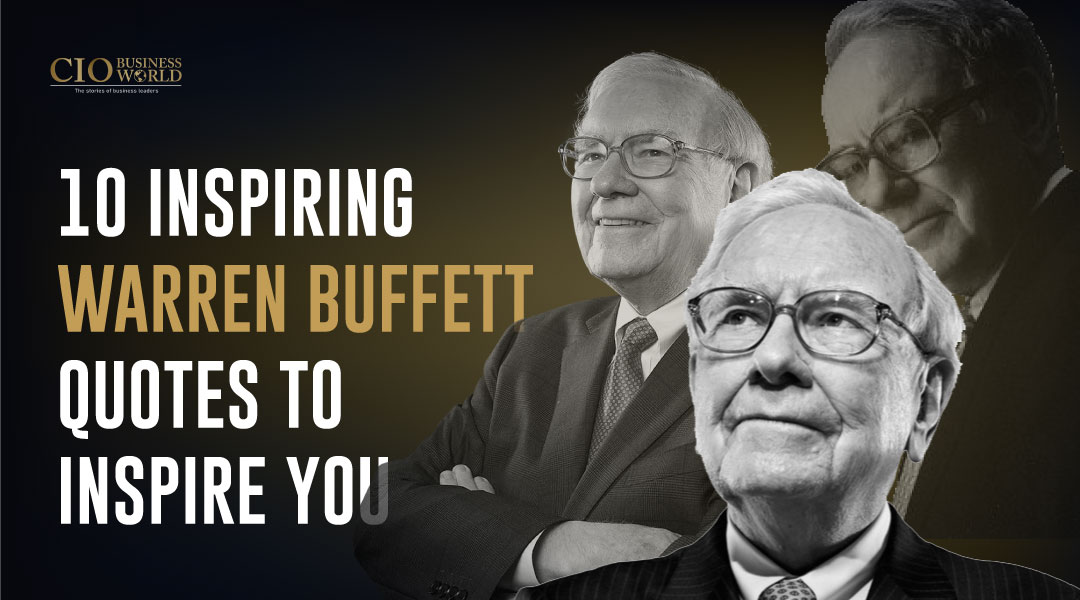
10 Inspiring Warren Buffett Quotes to Inspire You

Warren Buffett, often hailed as the “Oracle of Omaha,” is a legendary figure in the world of business and investing. With a net worth consistently ranked among the highest globally, Buffett’s success is rooted in his unique approach to business and investing.

Buffett’s mindset is centered on value investing. He looks for companies with good fundamentals and competitive advantages, and he frequently makes long-term investments. Rather of being misled by market trends or short-term fluctuations, Buffett maintains a firm dedication to good financial principles.

Warren Buffett, one of the most successful investors of all time, has shared invaluable wisdom through his speeches and writings. His quotes are not only insightful but also highly motivating for anyone striving for success.

Here are 10 inspiring Warren Buffett quotes that will inspire and guide you:

  1. “Rule No.1: Never lose money. Rule No.2: Never forget rule No.1.”
  2. “The stock market is designed to transfer money from the Active to the Patient.”
  3. “Someone’s sitting in the shade today because someone planted a tree a long time ago.”
  4. “The best investment you can make is in yourself.”
  5. “Price is what you pay. Value is what you get.”
  6. “Risk comes from not knowing what you’re doing.”
  7. “It’s better to hang out with people better than you. Pick out associates whose behavior is better than yours and you’ll drift in that direction.”
  8. “Predicting rain doesn’t count. Building arks does.”
  9. “The difference between successful people and really successful people is that really successful people say no to almost everything.”
  10. “The most important investment you can make is in yourself.”

FAQs:

Q: What makes Warren Buffett quotes so impactful?

  • Warren Buffett quotes are impactful because they distill complex financial principles into simple, actionable advice. Moreover, they are backed by his immense success and experience in the investing world.

Q: How can I apply Warren Buffett’s wisdom in my life?

  • You can apply Warren Buffett’s wisdom by adopting a long-term perspective, focusing on value rather than price, continuously educating yourself, and surrounding yourself with positive influences.

Conclusion:

Warren Buffett quotes give lasting insight that extends beyond the domain of finance. Whether you’re an aspiring investor, entrepreneur, or simply looking for inspiration, applying Buffett’s concepts to your life can lead to greater success and fulfillment. By acquiring his mindset of patience, caution, and continual improvement, you may confidently manage life’s adversities and achieve your goals.

Entrepreneurship vs. Freelancing: Which is Right for You?

So you’re at a turning point, facing the age-old question: Entrepreneurship vs. Freelancing? It’s like having to choose between chocolate and vanilla ice cream; both are great, but cater to different interests. Let’s sample a few of various job pathways and see which one best suits your preferences.

Understanding Entrepreneurship

Entrepreneurship – it’s like being the captain of your own ship. You’re the visionary, the mastermind behind the grand plan. It’s all about taking that brilliant idea and turning it into a reality. Think Steve Jobs and his journey with Apple or Elon Musk revolutionizing space travel with SpaceX.

The rush of building something from scratch

Picture this: You have this burning desire to create something extraordinary. You’re not just satisfied with the status quo; you want to shake things up, disrupt the industry, leave your mark. That’s the spirit of entrepreneurship – the thrill of building something from scratch and watching it grow, like a seed blossoming into a mighty oak tree.

Accept the Rollercoaster Ride

But let’s not sugarcoat it – entrepreneurship is not for the faint of heart. It’s a rollercoaster ride of highs and lows, where one day you’re popping champagne to celebrate a major milestone, and the next, you’re grappling with setbacks and uncertainties. It’s a wild journey filled with risks, challenges, but also immense rewards for those bold enough to ride the wave.

The Power of Flexibility and Control

Yet, amidst the chaos, there’s a sense of freedom that comes with entrepreneurship. You call the shots, set your own schedule, and chart your course. No more answering to a boss or punching a time clock – you’re the boss now, steering the ship wherever your dreams take you.

Looking to the World of Freelancing

Now, let’s shift gears and explore the realm of freelancing – the modern-day nomad of the career world. Freelancers are like skilled mercenaries, offering their expertise to the highest bidder. It’s all about flexibility, autonomy, and hustling to secure your next gig.

Harnessing Your Skills for Success

As a freelancer, your skills are your greatest asset. Whether you’re a graphic designer, writer, or web developer, you have the power to market your talents to a global audience. With platforms like Upwork and Fiverr at your fingertips, the world is your oyster, and clients are eagerly waiting to snatch up your services.

Loving the gig economy lifestyle.

One of the perks of freelancing is the flexibility it affords. Say goodbye to the 9-to-5 grind and hello to a lifestyle where you call the shots. Want to work from the cozy confines of your favorite coffee shop? No problem. Prefer burning the midnight oil and working in your pajamas? Go for it. Freelancing gives you the freedom to design your workday according to your preferences.

Navigating the Feast or Famine Cycle

However, freelancing comes with its own set of challenges, particularly the feast or famine cycle. One month, you’re swimming in a sea of projects, and the next, you’re left twiddling your thumbs, anxiously waiting for the next paycheck to roll in. It requires a keen sense of financial management and hustle to navigate the ups and downs of the freelance life.

Choosing Your Path

So, which path should you choose – entrepreneurship vs. freelancing? The answer ultimately depends on your goals, personality, and appetite for risk.

The Entrepreneurial Spirit

If you’re a natural-born leader with a hunger for innovation and a high tolerance for risk, entrepreneurship might be your calling. It’s for those who dare to dream big, think outside the box, and have the tenacity to see their vision through to fruition.

The Freelancer’s Journey

On the other hand, if you value flexibility, autonomy, and the ability to work on your own terms, freelancing could be the perfect fit. It’s ideal for those who crave variety in their work, enjoy the freedom of remote work, and have the self-discipline to thrive in a gig economy.

Finding Your North Star

In the same time, whether you choose the path of entrepreneurship or freelancing, the key is to follow your passion, leverage your strengths, and stay true to yourself. It’s about finding your north star and embarking on the journey that aligns with your values, ambitions, and vision for success.

Conclusion

In the end, there’s no right or wrong answer – only the path that feels most authentic to you. So, take a moment to reflect on your aspirations, weigh the pros and cons, and trust your gut instinct. Whether you’re carving out your own startup company or freelancing your way around the globe, remember: the world is your canvas, and your career journey is yours to paint.

8 Steps to Finding the Best Retirement Plan in the USA

Hey, future retirees! Are you prepared to get started on your journey to your golden years? If you’re smiling along, pay attention because we have some great thoughts to share. We are plunging headfirst into the area of retirement planning, focusing on the United States. So, grab a cup of coffee, get comfortable, and let’s go over the 8 important steps to discovering the best retirement plan personalised specifically for you.

Step 1: Assess Your Current Financial Landscape

First things first, let’s take a good, hard look at where you stand financially. Dive into those bank statements, dust off your investment portfolio, and tally up your assets and liabilities. Knowing your current financial status sets the stage for crafting a retirement plan that aligns with your goals and aspirations.

Step 2: Define Your Retirement Goals

Picture this: you’re sipping margaritas on a pristine beach or teeing off at your favorite golf course. What does your ideal retirement look like? Whether it’s traveling the world, pursuing a new hobby, or simply enjoying quality time with loved ones, defining your retirement goals is crucial. It gives you a clear target to aim for and helps shape your financial strategy accordingly.

Step 3: Educate Yourself on Retirement Plan Options

Now that you have a grasp of your finances and aspirations, it’s time to explore the plethora of retirement plan options available in the USA. From employer-sponsored 401(k)s and traditional IRAs to Roth IRAs and annuities, each comes with its own set of perks and considerations. Educate yourself on the ins and outs of each plan to make an informed decision.

Step 4: Seek Professional Guidance

Navigating the maze of retirement planning can be daunting, which is why seeking professional guidance is invaluable. Consider consulting with a financial advisor who can provide personalized recommendations based on your unique circumstances. They can help you navigate tax implications, investment strategies, and retirement income projections, ensuring you’re on the right path towards financial security.

Step 5: Assess Your Risk Tolerance

Risk and reward go hand in hand when it comes to investing for retirement. Assessing your risk tolerance involves understanding how much volatility you are comfortable with in your investment portfolio. Are you willing to weather market fluctuations for potentially higher returns, or do you prefer a more conservative approach? Knowing your risk tolerance helps tailor your investment strategy to align with your comfort level.

Step 6: Diversify Your Investments

The age-old adage “don’t put all your eggs in one basket” holds true in retirement planning. Diversifying your investments across different asset classes—such as stocks, bonds, and real estate—helps spread risk and maximize returns. By diversifying, you’re better positioned to weather market downturns and capitalize on growth opportunities, safeguarding your retirement nest egg.

Step 7: Review and Adjust Regularly

Retirement planning isn’t a set-it-and-forget-it endeavor. Life is dynamic, and so are your financial needs and goals. Make it a habit to review your retirement plan regularly, ideally annually or whenever significant life events occur. Assess whether your investments are still aligned with your goals, and make adjustments as needed to stay on track.

Step 8: Stay the Course

Last but not least, stay the course. The road to retirement is a marathon, not a sprint, and it’s natural to encounter bumps along the way. Market fluctuations, economic downturns, and unexpected expenses may throw you off course, but don’t lose sight of your long-term goals. Stay disciplined, stick to your financial plan, and keep your eyes on the prize: a fulfilling and secure retirement.

So there you have it, folks—8 main steps to uncovering the best retirement plan in the USA. Remember, retirement planning is a journey, and it’s never too early or too late to start. By taking proactive steps today, you’re laying the groundwork for a brighter, more financially secure tomorrow. Cheers to your golden years!

The List of Top 10 Luxury Watches All the Time

In the world of horology, luxury watches are continually symbols of style, workmanship, and distinction. From the complex movements to the gorgeous designs, each luxury watch narrates a tale of brilliance and sophistication. Whether you’re a seasoned collector or a connoisseur of great craftsmanship, identifying the top 10 luxury watches of all time is a journey through the pinnacles of horological specialisation.

1. Rolex Submariner

Jump into elegance.

The Rolex Submariner is an icon among luxury watches, renowned for its impeccable craftsmanship and robust performance. With its timeless design and waterproof capabilities, this watch has transcended generations, making it a staple in any watch collection.

2. Patek Philippe Nautilus

Timeless Sophistication

Crafted with precision and elegance, the is a masterpiece of horological artistry. Its distinctive porthole design and intricate detailing make it a symbol of luxury and refinement.

3. Audemars Piguet Royal Oak

A Symbol of Excellence

The Audemars Piguet Royal Oak is a testament to the brand’s commitment to innovation and craftsmanship. With its octagonal bezel and intricate “tapisserie” pattern dial, this watch exudes luxury and sophistication.

4. Omega Speedmaster

Beyond Boundaries

As the first watch worn on the moon, the Omega Speedmaster has solidified its place in history. Renowned for its durability and precision, this iconic timepiece continues to captivate watch enthusiasts worldwide.

5. Cartier Tank

Elegance Redefined

With its distinctive rectangular case and minimalist design, the Cartier Tank is a symbol of understated elegance. Originally created in 1917, this timeless watch remains a favorite among discerning collectors.

6. Jaeger-LeCoultre Reverso

Art Deco Heritage

The Jaeger-LeCoultre Reverso is a true masterpiece of Art Deco design. Its reversible case, originally designed to protect the watch during polo matches, has become synonymous with style and innovation.

7. IWC Portuguese

Classic Elegance

The IWC Portuguese embodies the brand’s commitment to precision engineering and timeless design. With its clean lines and understated elegance, this watch exudes sophistication in every detail.

8. Breitling Navitimer

Aviator’s Essential

The Breitling Navitimer is a beloved timepiece among pilots and aviation enthusiasts. With its iconic slide rule bezel and chronograph functionality, this watch is both practical and stylish.

9. Hublot Big Bang

Fusion of Innovation

The Hublot Big Bang is a bold statement of modern luxury. With its distinctive “fusion” design and innovative materials, this watch pushes the boundaries of traditional watchmaking.

10. Tag Heuer Monaco

Racing Heritage

The Tag Heuer Monaco is a tribute to the thrilling world of motorsports. With its square case and bold design, this watch captures the spirit of racing and adventure.

Conclusion

Each premium watch conveys a distinct tale about workmanship, innovation, and legacy. From the timeless elegance of the Rolex Submariner to the cutting-edge design of the Hublot Big Bang, these top ten luxury watches represent the height of horological creativity. Whether you choose classic elegance or futuristic innovation, there is a luxury watch to suit your taste and style. So go into the world of horology and discover the everlasting charm of these wonderful timepieces.

Ayatiworks and Edufin: Latest Digital Transformation in Education Finance

The introduction of digital transformation has been revolutionary in the field of financing education. The most recent developments in this field are represented by Ayatiworks and Edufin, which provide comprehensive solutions to simplify financial procedures in educational facilities.

Understanding Ayatiworks and Edufin

Ayatiworks and Edufin are innovative technologies designed to transform the financial infrastructure of educational institutions. These platforms use modern technology to improve efficiency, transparency, and accessibility when managing school finances.

The Need for Digital Transformation in Education Finance

Traditional methods of managing finances in educational institutions often involve cumbersome paperwork, manual processes, and a lack of real-time visibility. The need for digital transformation arises from the necessity to overcome these challenges and adapt to the evolving demands of the education sector.

Key Features of Ayatiworks and Edufin

  • Automated Financial Management: Streamlines budgeting, accounting, and reporting processes.
  • Data Analytics: Provides actionable insights for informed decision-making.
  • Mobile Accessibility: Enables stakeholders to access financial information on the go.
  • Integration Capabilities: Seamlessly integrates with existing systems and software.
  • Customization: Tailored solutions to meet the unique needs of each institution.

How Ayatiworks and Edufin Benefit Students

By leveraging Ayatiworks and Edufin, students experience:

  • Faster Processing: Expedited disbursement of financial aid and scholarships.
  • Transparency: Clear visibility into tuition fees, expenses, and payment schedules.
  • Financial Literacy: Access to resources for financial planning and management.

Impact on Educational Institutions

The adoption of Ayatiworks and Edufin leads to:

  • Cost Savings: Reduced administrative overhead and operational expenses.
  • Improved Efficiency: Streamlined workflows and reduced processing times.
  • Enhanced Compliance: Ensures adherence to regulatory requirements.

Security and Privacy Measures

Ayatiworks and Edufin prioritize data security and privacy through:

  • Encryption: Secure transmission and storage of sensitive information.
  • Access Controls: Role-based permissions to restrict unauthorized access.
  • Regular Audits: Continuous monitoring and evaluation of security protocols.

Real-world examples show the efficacy of Ayatiworks and Edufin in:

  • Universities
  • Colleges
  • K-12 Schools

Conclusion

With broad options to meet the changing needs of educational institutions and students, Ayatiworks and Edufin represent a paradigm change in education finance. Institutions may manage financial operations more effectively, transparently, and easily through digital transformation.

Visit – A step-by-step guide to applying for education finance through EDUFIN

Moxe Health Successfully Raises $25M to Boost Data Exchange Services

Moxe Health, a well-known healthcare technology business, has received a large $25 million investment to improve its data sharing services. The fundraising round was led by well-known venture capital groups, suggesting increased confidence in Moxe Health’s unique solutions.

Funding to Promote Healthcare Information Sharing

Moxe Health is dedicated to changing the exchange and use of healthcare data in order to streamline operations and improve patient outcomes. With this new round of funding, the company intends to expand its platform, improving interoperability and data-sharing capabilities across healthcare providers.

Strengthening Partnerships and Infrastructure

The capital round marks a watershed moment for Moxe Health as it looks for ways to improve its ties in the healthcare ecosystem. By strengthening connections with hospitals, insurers, and other stakeholders, the company hopes to build a seamless data exchange network which promotes collaboration and efficiency.

CEO’s Vision for Future Growth

Speaking about the investment, Moxe Health’s CEO expressed optimism about the company’s future possibilities. He underlined the necessity of harnessing innovative technology to fully realize the promise of healthcare data, thereby allowing doctors to provide improved patient care.

Supporting Healthcare Innovation.

Moxe Health’s innovative approach to data exchange has garnered attention from investors seeking to support advancements in healthcare technology. By facilitating secure and efficient data sharing, the company plays a crucial role in driving innovation and improving healthcare delivery nationwide.

Data Security Measures

As healthcare data becomes increasingly valuable, ensuring robust security measures is paramount. Moxe Health is committed to implementing state-of-the-art encryption and authentication protocols to safeguard sensitive information and maintain patient privacy.

Transforming Healthcare Delivery

The infusion of $25 million will enable Moxe Health to accelerate its mission of transforming healthcare delivery through seamless data exchange. By empowering providers with comprehensive insights and streamlined processes, the company aims to drive positive change across the industry.

Related – Top 10 Technology Trends Shaping Business in 2024

Conclusion

Moxe Health’s successful fundraising efforts solidify the company’s status as a leader in healthcare technology innovation. With a focus on improving data interchange services, the company is well-positioned to make major contributions to improving healthcare outcomes and driving efficiency in the ever-changing world of modern medicine.

Moxe Health – Digital ROI and Record Retrieval – Visit Website Now