Advertise With Us

Gimlet Labs Secures $80M Series A to Power Next-Gen AI Inference Cloud

In order to extend its innovative AI inference software, Gimlet Labs, a rising star in the AI infrastructure space, recently acquired $80 million in Series A funding. With its multi-silicon strategy, which aims to boost performance and efficiency across CPUs, GPUs, and bespoke accelerators, the San Francisco-based business is revolutionizing the processing of AI workloads. With this funding, Gimlet Labs hopes to strengthen its position in the quickly expanding agentic AI sector, focusing on businesses in need of high-performance, scalable AI solutions.

A Multi-Silicon Method for Superior AI

In contrast to conventional AI software, Gimlet Labs AI makes use of a multi-silicon architecture that enables workloads to function flawlessly on many kinds of hardware. This method gives businesses the freedom to implement AI applications at scale by increasing inference speed while lowering operating expenses. With this approach, investors hope to establish Gimlet Labs as a major participant in the enterprise AI ecosystem.

One of the main investors, Menlo Ventures, claims that Gimlet Labs’ cutting-edge software is ready to satisfy the expanding need for high-efficiency AI inference, especially in sectors that depend on large-scale machine learning models. Gimlet Labs Inc. is attracting interest from enterprise clients and venture capitalists due to its targeted traction in industries including robotics, healthcare, and finance.

Round of Funding and Strategic Growth

Menlo Ventures led the $80 million Series A fundraising round, which also included Factory, Eclipse Ventures, Prosperity7, and Triatomic Capital. Gimlet Labs will benefit from the funding infusion by growing its engineering staff, scaling infrastructure, and speeding up product development for its next-generation AI inference cloud.

“Our goal is to make AI workloads more affordable and accessible for businesses,” stated the CEO of Gimlet Labs. “With this funding, we can serve a wider range of customers in the agentic AI market, improve our multi-silicon approach, and accelerate development of Gimlet AI.”

Focusing on the Market for Agentic AI

The startup’s approach is centered on agentic AI applications, in which machines carry out activities or make decisions on their own with little assistance from humans. Gimlet Labs makes it possible for businesses to implement cutting-edge AI models in practical contexts, such as autonomous robots and predictive analytics, by offering a high-performance inference platform.

Popular AI frameworks are supported by the company’s software, guaranteeing enterprise clients’ compatibility and smooth integration. The growing demand for solutions that can manage complicated models while retaining efficiency and dependability is highlighted by the growth of the AI market.

Gimlet Labs Inc.: Advancing AI Infrastructure

Gimlet Labs Inc. has been acknowledged as a promising startup in the AI infrastructure field since coming out of stealth mode. Many industries are taking notice of this novel approach, which combines enterprise-grade scalability with multi-silicon optimization. According to analysts, businesses like Gimlet Labs are essential to the AI ecosystem because they bridge the gap between state-of-the-art research and practical application.

Gimlet Labs AI plans to strengthen its position in the market by expanding collaborations with cloud providers, hardware makers, and business clients with the recently obtained capital. The platform will continue to be flexible, future-proof, and able to handle increasingly sophisticated AI applications because to the emphasis on multi-silicon solutions.

Gimlet Labs AI: Driving Enterprise AI’s Future

Gimlet Labs AI is a facilitator of the next generation of AI, not merely a software startup. The $80 million series The company’s goal to provide effective, scalable, and creative AI inference solutions is accelerated by the funding, which is a major milestone. Gimlet Labs Inc. is well-positioned to have a significant influence on the AI sector in 2026 and beyond thanks to its multi-silicon strategy and emphasis on the agentic AI market.

Read our latest Interview with Petro Richard Kostiv

The Invigorating Force Driving Modern Business

In today’s fast-evolving corporate landscape, Chief Executive Officers (CEOs) stand at the helm of transformation, innovation, and growth. Their role is no longer confined to decision-making within boardrooms; it has expanded into shaping cultures, inspiring people, and navigating organizations through uncertainty. The presence and influence of CEOs in the corporate world is not just significant it is invigorating, energizing businesses and redefining what leadership truly means.

At the core of every successful organization lies a vision, and it is the CEO who breathes life into it. A compelling vision has the power to align teams, inspire stakeholders, and create a sense of purpose that goes beyond profits. This ability to envision the future and guide others toward it is what makes CEOs such dynamic forces. They don’t just react to change they anticipate it, embrace it, and often lead it.

What makes the modern CEO truly invigorating is their adaptability. In an era shaped by rapid technological advancements, globalization, and shifting consumer expectations, static leadership no longer works. CEOs today are learners first constantly evolving, upskilling, and staying ahead of trends. Whether it’s understanding artificial intelligence, sustainability, or digital transformation, they immerse themselves in new knowledge to steer their organizations effectively. This continuous learning mindset injects energy into the entire organization, encouraging employees to grow alongside their leaders.

Equally invigorating is the CEO’s role in fostering innovation. Innovation is not just about creating new products; it is about rethinking processes, challenging norms, and encouraging creativity at every level. CEOs cultivate environments where ideas can thrive, where risks are embraced, and where failure is seen as a stepping stone rather than a setback. This culture of innovation keeps organizations alive, relevant, and competitive in an ever-changing market.

Another powerful aspect of CEO leadership is their ability to inspire people. Employees today seek more than just a paycheck they look for meaning, growth, and a sense of belonging. CEOs who connect with their teams, communicate transparently, and lead with empathy create workplaces that are not only productive but also fulfilling. When employees feel valued and inspired, their energy reflects in their work, creating a ripple effect that strengthens the entire organization.

The invigorating nature of CEOs is also evident in their resilience. The corporate world is filled with challenges economic downturns, market disruptions, and unforeseen crises. It is during these moments that CEOs truly shine. Their ability to stay calm under pressure, make strategic decisions, and guide their organizations through uncertainty instills confidence and stability. This resilience not only safeguards the organization but also motivates teams to persevere and overcome obstacles.

Moreover, CEOs play a crucial role in shaping organizational culture. Culture is the heartbeat of any company, influencing how employees think, act, and collaborate. A CEO who prioritizes inclusivity, ethics, and innovation creates a culture that drives long-term success. This cultural leadership is invigorating because it transforms workplaces into communities where individuals are empowered to contribute their best.

In recent years, the role of CEOs has expanded beyond business to include social responsibility. Today’s leaders are expected to address environmental, social, and governance (ESG) issues, contributing to a more sustainable and equitable world. CEOs who champion these causes not only enhance their organization’s reputation but also inspire others to take meaningful action. This broader impact adds a new dimension to leadership, making it more purposeful and impactful.

The digital age has further amplified the influence of CEOs. With social media and global connectivity, their voices reach far beyond their organizations. They are not just corporate leaders but also thought leaders, shaping conversations and influencing industries. This visibility brings both responsibility and opportunity, allowing CEOs to inspire change on a larger scale.

For aspiring professionals, CEOs represent the pinnacle of leadership and possibility. Their journeys are often filled with challenges, learning experiences, and moments of transformation. What makes their stories invigorating is not just their success but the path they take to achieve it. They remind us that leadership is not about perfection but about persistence, adaptability, and the courage to take risks.

In conclusion, CEOs in the corporate world are more than decision-makers they are catalysts of energy, innovation, and transformation. Their ability to envision the future, inspire people, embrace change, and lead with purpose makes their role truly invigorating. As the business world continues to evolve, the influence of CEOs will only grow, shaping not just organizations but the future of industries and societies at large.

Leading for Tomorrow and Thereafter

The role of the Chief Executive Officer (CEO) is no longer defined by the present it is driven by what lies ahead. In an era where change is constant and disruption is inevitable, CEOs are not just managing organizations for today; they are building them for tomorrow and preparing them for what comes thereafter. Their leadership is forward-looking, strategic, and deeply rooted in the belief that the future belongs to those who are ready to shape it.

Tomorrow’s corporate world is being built on the foundations laid today, and CEOs are the architects of this transformation. They are tasked with anticipating trends, understanding global shifts, and aligning their organizations to meet future demands. Whether it is the rise of artificial intelligence, the growing importance of sustainability, or the shift toward digital ecosystems, CEOs are constantly scanning the horizon for what’s next. This foresight allows them to position their organizations not just as participants in the future, but as leaders of it.

One of the most defining aspects of future-focused CEOs is their commitment to continuous evolution. The leaders of tomorrow understand that learning is not optional it is essential. They invest in their own growth as much as they invest in their organizations. This mindset creates a culture where learning, innovation, and adaptability become second nature. As a result, organizations are better equipped to navigate uncertainties and seize new opportunities.

Beyond strategy and innovation, CEOs are increasingly focused on building resilient organizations. The future is unpredictable, and resilience has become a critical leadership trait. CEOs are now prioritizing agility, ensuring that their organizations can pivot quickly in response to changing circumstances. This involves not only robust systems and processes but also empowering teams to think independently and act decisively.

Equally important is the CEO’s role in shaping future-ready talent. Tomorrow’s workforce requires a blend of technical expertise, creative thinking, and emotional intelligence. CEOs are investing in skilling, upskilling, and reskilling initiatives to prepare their teams for evolving roles. They understand that people are the most valuable asset of any organization, and nurturing their growth is key to long-term success.

As we look beyond tomorrow, the role of CEOs becomes even more expansive. They are no longer just leaders of companies; they are influencers of industries and contributors to society. Issues such as climate change, social equity, and ethical governance are now integral to business strategy. CEOs who embrace this responsibility are shaping a future that is not only profitable but also sustainable and inclusive.

Technology continues to be a driving force in this journey. The integration of artificial intelligence, automation, and data analytics is redefining how organizations operate. CEOs are leveraging these tools to enhance decision-making, improve efficiency, and create new value. However, they also recognize the importance of balancing technology with human insight, ensuring that innovation remains ethical and purposeful.

Another crucial element of future leadership is collaboration. The challenges of tomorrow cannot be solved in isolation. CEOs are fostering partnerships across industries, academia, and governments to drive collective progress. This collaborative approach not only accelerates innovation but also creates ecosystems that are more resilient and adaptable.

For aspiring leaders, the evolving role of CEOs offers valuable lessons. It highlights the importance of thinking long-term, embracing change, and staying curious. The journey to leadership is not linear, and success is often shaped by the ability to adapt and learn from experiences. CEOs of tomorrow are those who are willing to step out of their comfort zones, take calculated risks, and remain open to new ideas.

Ultimately, the role of CEOs in the corporate world is about building a legacy. It is about creating organizations that can thrive in the present while being prepared for the future. It is about making decisions today that will have a lasting impact on tomorrow and beyond.

In conclusion, CEOs are the bridge between today and the future. Their vision, adaptability, and commitment to growth enable organizations to navigate the complexities of a rapidly changing world. As they continue to lead with purpose and foresight, CEOs are not just shaping businesses—they are shaping the future itself.

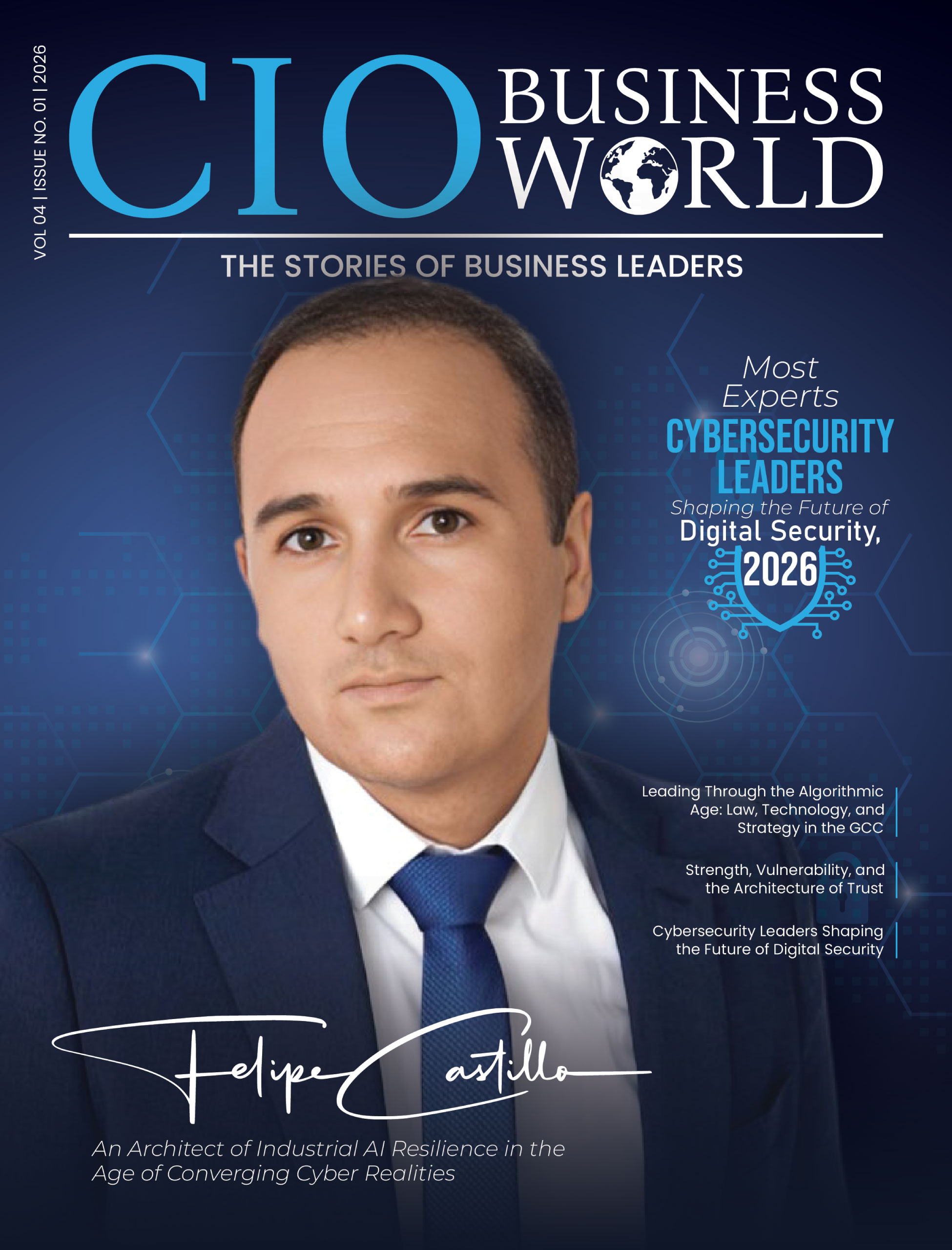
Petro Richard Kostiv: Building Global Legal Infrastructure with Courage, Precision, and Humanity

In a world where borders are increasingly fluid yet legal systems remain complex, Petro Richard Kostiv stands at the intersection of courage, strategy, and global mobility. As the CEO of Kostiv Cardinal International Law Group, he has built more than a law firm—he has constructed a platform designed to restore clarity and control to individuals and organizations navigating high-stakes legal transitions. His journey from arriving in the United States alone at eighteen to leading a multinational legal infrastructure is not just a story of professional ascent, but one of resilience shaped by lived experience.

This cover story encapsulates how Petro transformed necessity into entrepreneurial vision, how he carved credibility within a competitive U.S. legal market, and how Kostiv Cardinal evolved into a globally positioned firm operating across the United States, Puerto Rico, Mexico, Dubai, Beijing, and El Salvador. It examines his leadership philosophy, the systems behind his firm’s accountability and innovation, his commitment to human-centered advocacy, and the long-term vision of building a global legal infrastructure for mobility and transition.

The Beginning of an Entrepreneurial Mindset Forged by Necessity

Petro Richard Kostiv’s entrepreneurial journey did not begin with a formal business plan, venture capital, or even a clear roadmap. It began with uncertainty. At eighteen years old, he arrived in the United States alone, without a safety net, navigating not just a new country but a new reality. Immigration was not simply a relocation; it was a lived lesson in adaptation, accountability, and resilience.

For many, entrepreneurship is sparked by ambition. For Petro, it was born from necessity. Being an immigrant required him to quickly decode complex systems—educational structures, employment frameworks, legal regulations, and the nuances of maintaining lawful status. Every decision carried consequences. Every form, every deadline, every procedural requirement had the potential to alter the trajectory of his life.

Through this lived experience, he developed an understanding that law is not theoretical. It is infrastructure. It determines who advances and who remains stalled. It shapes access to opportunity, mobility, and security. That realization became foundational. Rather than viewing law as a profession defined by precedent and paperwork, he began to see it as a structural force capable of either enabling progress or reinforcing barriers.

As he progressed academically and professionally, his aspirations evolved. Practicing law was not enough. He wanted to build something intentional—an institution designed specifically for individuals navigating high-stakes transitions. For Petro, entrepreneurship became the vehicle through which resilience, strategy, and empathy could be integrated into a cohesive platform. His vision was not limited to delivering legal solutions. It was about restoring clarity and dignity to people facing complex change.

Establishing Credibility in a Competitive Legal Landscape

The early stages of building his career and firm presented formidable challenges. Contrary to common assumptions, the difficulty was not the workload. It was positioning.

Entering a highly specialized legal market in the United States as an immigrant required Petro to earn credibility repeatedly. In a competitive field where established networks and institutional familiarity often influence perception, credibility was not automatically granted. It had to be demonstrated, reinforced, and protected at every stage.

Rather than attempting to compete broadly across all practice areas, he adopted a strategy of focus. He chose to go narrow and deep. By building expertise at the intersection of immigration law, international affairs, and aviation law, he created a distinctive professional identity. These are domains where global mobility, regulatory complexity, and human stakes intersect. This specialization reframed his background from outsider to strategic advantage. His lived understanding of cross-border movement and systemic navigation became a differentiator rather than a limitation.

Language played a decisive role in this transformation. Direct communication eliminates friction. When clients do not need to translate themselves linguistically or culturally, trust accelerates. Petro’s multilingual capabilities allowed him to communicate with precision across different communities without intermediaries. This capacity reduced misunderstandings, expedited case movement, and strengthened client relationships in a crowded legal market where immediacy and clarity matter.

As Kostiv Cardinal began to grow, the challenge evolved. It was no longer about personal execution alone. It became about organizational consistency. Growth introduces risk—particularly the risk of diluted values. Without intentional systems, expansion can erode quality and weaken culture.

To counter this, Petro operationalized empathy. Rather than treating compassion as an abstract ideal, he embedded it into structured workflows, standardized communication protocols, and internal feedback mechanisms. Errors were not concealed; they were treated as learning signals. Systems were designed to ensure accountability and preserve a genuinely human client experience across offices and increasing caseloads. The result was a scalable model that protected quality, reinforced values, and maintained clarity regardless of growth.

Designing a Culture Where Accountability, Creativity, and Speed Reinforce Each Other

At Kostiv Cardinal International Law Group, accountability, creativity, and speed are not isolated values. They function as an interconnected system.

The foundation is accountability. Every legal matter is divided into clearly defined ownership zones. Responsibility is explicit. Expectations are visible. Progress is trackable. This structural clarity eliminates ambiguity and creates forward momentum. Issues are surfaced early, and raising concerns is viewed as leadership rather than weakness. By treating transparency as a strength, the firm safeguards both outcomes and client trust.

Creativity thrives within this structure. When professionals operate in an environment free from micromanagement yet anchored in responsibility, they are empowered to think expansively. Petro actively encourages his team to challenge assumptions, particularly in complex or unconventional cases. Cross-disciplinary collaboration is not incidental; it is cultivated. Strategic dialogue is prioritized, and innovative approaches are welcomed rather than discouraged.

Speed, in this ecosystem, is a byproduct of trust and decisiveness. Technology accelerates administrative processes, but genuine speed comes from empowering professionals to act without unnecessary bureaucratic layers. Decision discipline ensures that actions are timely yet aligned with ethical standards and precision. The firm moves quickly because its systems are designed intentionally. Innovation is supported because accountability is clear. Scalability is achieved because culture is not accidental.

Delivering Stability in Moments of Uncertainty

The core value Kostiv Cardinal delivers is stability at moments of profound uncertainty.

The firm operates where legal complexity intersects with deeply personal stakes. Immigration decisions, asylum applications, regulatory compliance issues, and cross-border transitions often carry life-altering consequences. Clients are not navigating abstract disputes. They are confronting decisions that affect family unity, education pathways, employment prospects, and long-term wealth creation.

For Petro, every case is treated as a system rather than a file. Legal strategy must align with cultural context, personal history, and future ambition. Technical excellence is combined with genuine care. Representation is rigorous but never detached. Precision coexists with empathy.

What differentiates Kostiv Cardinal’s approach is its forward-looking perspective. Legal outcomes are not viewed as endpoints. They are foundations. Securing immigration status or regulatory compliance sets off a chain reaction that shapes economic and generational trajectories. The firm’s role is to secure that critical first outcome so that individuals and organizations can move forward with confidence.

For partners—including nonprofits, educational institutions, employers, and advisors—the firm functions as a strategic extension of mission. Multilingual fluency, cross-border expertise, and operational reliability provide stability in environments where mistakes are costly and timelines are critical. The value delivered extends beyond representation. It becomes legal certainty that empowers growth, investment, and sustainable expansion.

Impact Measured in Restored Control

When reflecting on impact, Petro does not isolate a single landmark case. The most meaningful measure of success is what happens after legal work concludes.

The true impact lies in restoring a person’s sense of control over their future. When a family can finally live together without fear, or when an entrepreneur can build a business without constant anxiety about legal standing, the transformation is profound. The shift from reacting to uncertainty toward planning for the future is the real milestone.

Kostiv Cardinal’s reach spans nearly every region of the world. Through a multilingual and globally fluent team, the firm has served individuals and families from diverse backgrounds. This reinforces a foundational belief: access to high-level legal advocacy should not depend on geography, language, or cultural familiarity.

As founder, Petro’s focus has matured from building momentum to sustaining excellence. Strengthening operational infrastructure is a priority. Systems, performance metrics, and internal discipline ensure that quality remains consistent as the firm expands. Growth must be responsible, not reactive.

Leadership development is equally central. Petro invests deeply in mentoring attorneys, guiding them not only to master legal doctrine but to understand the human weight of their work. Strong practitioners must also become thoughtful decision-makers.

Another strategic priority involves expanding educational and community engagement initiatives. Too often, individuals encounter the legal system only during crisis. Providing knowledge and resources before emergencies arise is a proactive form of advocacy. Scale, for Petro, must be intentional. The objective is to build an institution capable of delivering impact across decades.

From Law Firm to Global Legal Infrastructure

Looking ahead three to five years, Petro envisions Kostiv Cardinal evolving beyond a high-performing firm into a global legal infrastructure for mobility and transition.

Geographic expansion is part of this vision, but not for visibility alone. It is about proximity. Clients operate across borders. Their legal challenges move faster than traditional frameworks can accommodate. Establishing an international presence allows the firm to remain close to the regulatory, economic, and cultural contexts shaping client needs.

Currently, operations span five cities in the United States, as well as Puerto Rico, Mexico, Dubai, Beijing, and El Salvador. This footprint reflects responsiveness to a transnational client base. Being local while thinking globally enhances speed, relevance, and accuracy.

Petro also aims to redefine how legal services are delivered. Traditional models are often slow, reactive, and transactional. His goal is to shift toward agile, technology-enabled systems that remain deeply human-centered. In this future, law is not a barrier to endure. It becomes a strategic tool that facilitates movement, opportunity, and long-term planning.

Innovation, Partnerships, and Borderless Relevance

Innovation within Kostiv Cardinal focuses on eliminating friction from the client experience. Petro refers to the bureaucratic tax—the cumulative delays, redundancies, and procedural uncertainty that amplify legal stress. Technology is deployed intentionally to reduce these burdens. Secure communication platforms, intelligent workflows, and streamlined information access enable attorneys to concentrate on judgment and advocacy rather than administrative repetition.

Partnerships extend the firm’s impact beyond individual legal matters. Legal challenges rarely exist in isolation. Collaboration with humanitarian organizations, educational institutions, employers, and advisors creates a broader support ecosystem. These partnerships ensure that legal strategies align with real-world outcomes such as workforce stability, family reunification, and economic integration.

Global expansion remains a structural pillar. Clients’ lives are transnational. Legal needs cross borders more rapidly than conventional firms can adapt. By building an international footprint and sharing best practices across jurisdictions, Kostiv Cardinal ensures consistency and access. Justice should not be constrained by geography.

Innovation accelerates process. Partnerships broaden impact. Global presence ensures relevance. Together, these elements allow the firm to scale intelligently in a world that increasingly defies borders.

Habits That Anchor Leadership

High-stakes legal work demands mental clarity and sustained focus. Petro relies on structured reflection to maintain alignment. Weekly priority resets prevent urgency from overshadowing purpose. This discipline safeguards against burnout and reinforces intentional decision-making.

Continuous learning is treated as a daily practice. Engagement with global affairs, leadership theory, and emerging ideas prevents tunnel vision and strengthens perspective. Curiosity functions as resilience in a constantly evolving field.

Listening is another foundational habit. By prioritizing listening over speaking, Petro fosters clarity and trust within both client relationships and internal operations. Decisions improve when understanding deepens.

Pro bono work also plays a grounding role. It reinforces that law, at its core, is service. Regardless of the scale or visibility of the firm’s operations, that perspective anchors purpose.

Guidance for Emerging Entrepreneurs

For entrepreneurs at the idea stage, Petro emphasizes perspective over polish. Business plans matter, but longevity depends on how founders relate to service, pressure, and uncertainty.

The first principle is anchoring the idea in genuine human need. Without solving a meaningful problem, momentum fades when challenges arise. The second principle is discipline over busyness. Sustainable progress emerges from consistent high-impact actions rather than reactive activity. Clarity consistently outperforms volume.

Integrity must be protected from the outset. Reputation forms long before recognition or revenue. Trust, once compromised, is nearly impossible to rebuild. Service, discipline, and ethics form the foundation for sustainable growth across industries.

A Legacy Defined by Courage and Humanity

When reflecting on legacy, Petro hopes to be remembered not merely for winning cases, but for using the law with courage and humanity.

Legal power carries responsibility. It can protect dignity, expand opportunity, and secure generational stability. For many families served by Kostiv Cardinal, legal outcomes represent the foundation for education, economic security, and long-term progress. Recognizing that weight shapes his approach.

He aspires to leave behind a legacy centered on access and integrity. A legal system that is understandable, humane, and representative of those it affects. Advocacy that is fearless but never devoid of compassion.

Ultimately, he hopes that when others felt overwhelmed or uncertain, his work created clarity and possibility. That by securing rights and standing in the present, families were empowered to build futures extending far beyond a single case or generation.

If that is what defines his journey as founder of Kostiv Cardinal, then the mission will have fulfilled its purpose.

For Print and Design Purpose:

Quotes :

“As a founder, my focus has shifted from building momentum to sustaining excellence.”

“I want the firm to be recognized as a thought leader that challenges traditional models—moving away from slow, reactive, and transactional practices toward systems that are agile, technology-enabled, and deeply human-centered.”

“Innovation is about removing friction from the client experience.”

Supreme Court Declines to Hear Texas Journalist’s Appeal

The U.S. Supreme Court has declined to hear the case of a Texas internet journalist contesting their detention, which is a significant milestone for press freedom. The action emphasizes the continuous conflict between state law enforcement authority and safeguards for digital media while maintaining lower court decisions. Due to the case’s intersection with discussions about social media, online reporting, and First Amendment rights, it garnered national attention.

Background of the Case and Legal Context

For actions related to their reporting, the journalist, who is well-known for operating an independent online news outlet, was arrested in Texas. They claimed that their online journalism, including coverage disseminated through platforms like Twitter, is constitutionally protected and that the arrest violated First Amendment rights. Press freedom advocates have cited this case as a possible turning point for US online media rights.

The lower court’s ruling now stands because the Supreme Court declined to hear the journalist’s request to define the boundaries of law enforcement’s authority regarding journalistic operations on social media platforms.

Justices of the Supreme Court and Skepticism about Social Media Law

The complicated legal environment surrounding state regulation of online content is reflected in the Supreme Court justices‘ apparent skepticism of Texas and Florida’s social media regulations, according to observers. Debates on free speech and platform accountability have been sparked by laws that both states have implemented in recent years that target social media corporations and online expression.

Press advocates may be disappointed by the Court’s decision to reject the journalist’s case this week, but it fits with a trend of cautious scrutiny where justices are balancing constitutional protections against the wider implications of digital media regulation.

Consequences for Online Journalism and Press Freedom

The case’s denial raises unanswered concerns over the safety of online journalists, particularly those who disseminate news through sites like Twitter. Modern journalism now relies heavily on digital-first reporting, and occurrences such as this raise questions about state authorities’ power to influence or contest reporting methods without higher court oversight.

The decision may have wider ramifications for other journalists and online news sources, especially in jurisdictions with strict social media and content regulation regulations, according to media freedom organizations.

Future Legal Advancements and Public Interest

Although the Texas case remains unresolved, the Supreme Court’s ruling today could pave the way for future challenges to state regulations that impact online media. Legal experts predict that in the upcoming years, the limits of press freedom will probably be shaped by ongoing discussions surrounding the Supreme Court of Texas’s rulings in social media cases.

The courts and legislators will be under pressure to strike a balance between public safety, state regulatory interests, and journalists’ freedom to cover topics of public importance as online journalism develops.

Future Legal Developments and Public Attention

Today’s Texas ruling by the Supreme Court emphasizes the ongoing difficulties encountered by journalists in the digital age. Cases like this highlight the precarious balance between state power and constitutional rights as discussions about social media regulation and press freedom heat up. As a result, many are keeping a careful eye on how future decisions can shape the future of online journalism in the United States.

Your Guide to Building Motivation Through Company Gatherings

Planning a corporate event often feels like a logistical puzzle. Between finding a venue and picking a menu, the real goal sometimes gets lost in the shuffle. The true purpose of gathering your team is to reignite their passion and remind them why their work matters.

A well-executed gathering does more than just fill a workday. It acts as a reset button for your office culture. When employees feel seen and valued in a social setting, their commitment to the company’s mission naturally grows.

Setting Clear Objectives For Your Event

Before you book a single vendor, you must define what success looks like. Are you trying to reward a hardworking department, or are you aiming to solve a specific communication breakdown? Having a clear target ensures every penny of your budget is working toward a meaningful result.

Without a goal, events can feel aimless and even frustrating for busy staff. They want to know that their time is being used wisely. If the objective is clear from the start, the team is more likely to engage fully with the program.

Sharing these goals with the team beforehand builds anticipation. It allows everyone to arrive with the right mindset. When people know the “why” behind the gathering, they are much more likely to contribute to its success.

Choosing The Right Atmosphere

The environment you choose dictates the energy of the entire day. A stuffy hotel ballroom might work for a formal seminar, but it won’t help a team relax and bond. You should match the physical space to the emotional outcome you desire for your guests.

Outdoor settings often encourage more organic conversations. Breaking away from four walls and fluorescent lights helps people drop their professional guards. The shift in scenery is often enough to spark new ideas that would never surface in a cubicle.

Comfort is another factor that shouldn’t be ignored. If people are physically comfortable, they are mentally available to listen and participate. Always prioritize a layout that encourages movement and easy interaction between different departments.

Integrating Motivational Speakers

Bringing in an outside perspective can provide a much-needed jolt of energy. A professional JLA speaker agency or other reputable agency can provide experts who know how to tailor a message to your specific industry challenges. This outside voice often carries more weight than internal leadership when addressing difficult topics or inspiring change.

Speakers help bridge the gap between daily tasks and the big picture. They provide stories and insights that resonate on a personal level. The connection is what turns a simple meeting into a memorable experience that sticks with the staff for months.

Choosing the right person requires careful thought. You want someone who aligns with your brand values but offers a fresh take. A great speaker doesn’t just talk at the audience – they invite them into a new way of thinking.

Active Participation Through Workshops

Passive listening has its limits when it comes to long-term retention. To truly build motivation, you should include segments where the team is physically doing something. Interactive workshops allow employees to practice new skills in a low-pressure environment.

These sessions are perfect for breaking down silos. When a marketing manager and a software developer work together on a task, they gain a better understanding of each other’s worlds. Empathy is a powerful motivator for future collaboration.

Hands-on learning keeps energy levels high throughout the day. It prevents the “afternoon slump” that often plagues long corporate events. Keeping the group active ensures they leave the event feeling energized rather than drained.

Recognizing Individual And Team Achievements

Public recognition is one of the most cost-effective ways to boost morale. A company gathering provides the perfect stage to celebrate the wins of the past year. Highlighting specific contributions makes employees feel like more than just a number on a spreadsheet.

Awards don’t always have to be formal or expensive. Even a sincere shout-out from a senior leader can mean the world to a junior staff member. The key is to be specific about what they did and how it helped the company succeed.

Practice sets a standard for excellence. When others see what is being rewarded, they have a clearer map for their own professional growth. It turns the gathering into a celebration of shared progress.

Leveraging Team Building Trends

Modern events are moving away from the “one size fits all” approach. According to a recent article by Go To Events, activities tailored to your team’s unique needs can motivate your team, strengthen connections, and align with your objectives. The shift toward customization ensures that every participant finds value in the experience.

Current trends favor smaller, more frequent interactions. Instead of one massive yearly party, many firms are opting for quarterly check-ins.

Technology is playing a bigger role in how teams interact. Digital scavenger hunts or app-based challenges can add a layer of excitement for tech-savvy workers. Keeping up with these trends shows your team that the company is forward-thinking.

Creating Lasting Impact After The Event

The motivation shouldn’t end the moment everyone goes home. To make the investment count, you need a plan for following up. Sharing photos, videos, and key takeaways helps keep the positive vibes alive in the office.

  • Send out a summary of the best ideas generated during workshops.
  • Create a “memory wall” in the breakroom with event highlights.
  • Ask for feedback to improve the next gathering.
  • Implement at least one suggestion that came directly from the staff during the event.

Feedback is particularly useful for measuring your return on investment. It tells you what resonated and what fell flat. Listening to your employees’ opinions on the event is a motivational act in itself.

Implementing changes based on that feedback shows you listen. When staff see their ideas in action, they feel a stronger sense of ownership over the company culture.

Managing Logistics For Maximum Comfort

Small details often make the biggest difference in how an event is perceived. If the food is cold or the room is too loud, people will focus on their discomfort rather than the message. Professional planning ensures these distractions are kept to a minimum.

Transportation and timing are also key parts of the puzzle. If an event runs too late, parents might worry about childcare, which distracts them from the content. Respecting your team’s personal time is a subtle but powerful way to show you care.

Good communication leading up to the day is a must. Provide a clear itinerary and dress code well in advance. Removing uncertainty allows your team to show up relaxed and ready to engage.

By focusing on clear goals and genuine interaction, you can turn any corporate event into a powerful tool. Your team will return to their desks with a renewed sense of purpose and the energy to tackle their next big project.

Why Commercial Automatic Gates Are Worth the Investment

Managing a commercial property requires a balance between security and the need for easy access for workers. Manual gates often create frustration for staff and cause delays for incoming deliveries or clients throughout the day.

Upgrading to an automated entrance system removes these daily hurdles and saves time for everyone involved. It creates a professional first impression while keeping the site protected around the clock from unwanted visitors.

Secure Your Perimeter Effectively

Protecting expensive assets and inventory is a major concern for any business owner in the current market. A sturdy automated gate acts as a strong physical barrier against unauthorized intruders who might wander onto the site.

Many burglars look for sites that offer quick and easy access points with little resistance. A motorized gate makes your facility look like a hard target and prevents casual trespassing on the property.

Security stays high even when staff are not present on the site during the night or weekends. Modern locking systems and heavy materials work together to keep the perimeter locked down tight against external threats.

Improve Operational Efficiency Daily

Time lost at the front gate can lead to significant delays in a busy workday for your logistics team. Drivers often spend minutes waiting for someone to unlock a gate or hop out of cabs themselves to handle heavy chains.

Automated solutions allow for a much faster flow of traffic throughout the shift for trucks and employee vehicles. Deliveries move in and out without anyone needing to leave their desk or workstation to provide entry.

Productivity increases when small obstacles are removed from the daily logistics chain for the entire staff. Your employees can focus on their actual tasks instead of serving as manual gate operators in all weather conditions.

Boost Property Value Immediately

First impressions carry a lot of weight when it comes to the market value of a commercial site. As explained by experts at https://www.baysideautomaticgates.com.au/ experts helps ensure the entrance looks modern and functions perfectly for all visitors. A clean and efficient entry point suggests a company that pays attention to every detail of its operation.

Real estate investors often search for properties that are already equipped with top-tier security systems and hardware. Having a high-quality gate system makes a building stand out in a competitive market for potential buyers or renters.

Aesthetics play a role in how clients perceive the success and stability of a business brand. Curb appeal matters for industrial properties just as much as it does for residential homes when looking at long-term growth.

Control Access With Ease

Tracking who comes and goes provides an extra layer of management for busy facilities with many employees. Digital systems allow you to monitor entry times and keep a log of all visitors for safety and auditing purposes.

Changing access codes or updating keycards is much faster than replacing physical keys or re-keying manual locks. You can manage the entire system from a central hub or a mobile device with the right software setup.

Safety protocols are easier for teams to follow when the technology is user-friendly and reliable for daily use. Authorized personnel enter with a simple tap – since the system keeps everyone else outside the fence line.

Reduce Long-Term Costs

Data from Fortune Business Insights shows that the global gate openers market reached a value of $2.90 billion in 2025. This move toward automated solutions is common for many companies looking to protect their security needs with modern technology.

Paying for a full-time guard to manage a manual gate is a recurring expense that adds up over many years. Automation provides a one-time investment that saves thousands of dollars by reducing the need for manual labor at the entrance.

Maintenance on a professional system is manageable and prevents larger repair bills that come with older manual hardware. High-grade motors are built to last for many years under heavy industrial use without constant mechanical failure.

Professional Appearance Matters

Reports from Global Growth Insights mention that commercial users now account for 35% of the total gate market. Businesses choose these systems since they want to project an image of safety and reliability to their corporate partners.

A rusty or broken manual gate can make a company look disorganized or struggling to maintain its own infrastructure. Motorized gates offer a quiet and smooth movement that signals professionalism to every visitor who drives onto the premises.

Customer experience begins the moment someone arrives at your front door for a meeting or service. Making the entry process easy and welcoming builds trust before a single word is spoken by your sales team.

Durability For High Traffic Areas

Industrial gates face much more wear and tear than the ones used for residential homes or small shops. Motors and hinges must be strong enough to open and close dozens of times an hour without slowing down.

Selecting heavy-duty materials helps the system survive the toughest environmental conditions found in industrial zones.

  • Galvanized steel frames that resist rust and corrosion
  • Industrial-grade rollers for smooth travel on the tracks
  • High torque motors for heavy swinging gates in windy areas
  • Protective coatings for coastal environments near the salt air

Investing in quality hardware prevents the downtime associated with equipment failure or stuck manual latches. A gate that stays operational keeps the business running without any unwanted interruptions to the daily workflow.

Custom Designs For Every Business

Every site has different layout challenges and aesthetic preferences depending on the local landscape. Some properties have limited space and require a sliding or vertical lift gate, while others have room for a wide swing.

Customizing the gate allows you to match the look of your existing architecture and perimeter fencing. You can pick colors and styles that fit the branding of your company perfectly for a cohesive look.

Choosing the right design helps solve specific problems like steep slopes or narrow driveways on your property. Modern manufacturers provide plenty of options to fit the unique footprint of your facility and its specific operational needs.

Choosing to install an automated gate system is a step toward better security and operational efficiency. It protects your assets while making the property more accessible for the right people at any time of day.

Long-term benefits like increased value and lower labor costs make this a wise choice for any owner. A secure entrance is the foundation of a professional and safe business environment for your team.

What You Need to Know Before Your Next Business Trip

Preparing for a work journey involves more than just throwing a suit into a suitcase. Modern travel demands a mix of digital savvy and physical readiness to handle shifting schedules. You want to arrive at your destination feeling refreshed and ready to perform at your peak.

Planning helps you avoid common pitfalls that can derail a professional commitment. From managing documents to choosing the right transport, every detail counts. Taking the time to organize your itinerary now will save you a lot of stress later.

Master Your Packing Strategy

Packing light is a skill that saves time at the airport and during local transits. You should stick to a versatile color palette so you can mix and match a few pieces of clothing. A high-quality carry-on bag often eliminates the need to wait at baggage carousels.

Many travelers find that rolling clothes instead of folding them prevents wrinkles and saves space. It is also smart to keep electronics and chargers in a dedicated pouch for easy access. Keeping your gear organized ensures you are never fumbling for a laptop during a security check.

Small items like universal adapters and portable power banks are non-negotiable for the modern professional. You do not want to find your phone dead right when you need to navigate to an office. Checking your gear the night before you leave is a great way to stay prepared.

Use Reliable Transport For Local Routes

Navigating a new city can be the most taxing part of any corporate journey. Selecting a reputable provider like Orana car and truck rental helps you maintain control over your schedule and movements. Having your own vehicle allows you to move between meetings without relying on inconsistent public transport.

The independence is particularly helpful when you have multiple stops in a single day. You can store your luggage securely in the trunk while you attend various lunch appointments. It provides a level of privacy and comfort that ride-sharing apps simply cannot match.

Explore The Rise Of Remote Work

The way people view their office space has shifted significantly over the last few years. According to a recent report by GWI, work and travel continue to intertwine, with 30% of Gen Z and millennials planning to work remotely from a different country in the future.

Digital nomadism is no longer a niche lifestyle for a few tech workers. Companies are increasingly open to employees working from different time zones or coastal hubs.

As long as the internet connection is stable, many tasks can happen from anywhere. The freedom has led to a boom in co-working spaces and short-term rentals designed for business. You might find that a change of scenery actually boosts your productivity.

Organize Your Digital Documents

Paper tickets and printed itineraries are largely things of the past. You should store digital copies of your passport, visa, and hotel bookings in a secure cloud folder. Having offline access to these files is a lifesaver if you lose your data connection.

  • Mobile apps for airlines and hotels provide real-time updates on gate changes or room readiness.
  • You can often check in through your phone to skip the long queues at the front desk.
  • Keeping your notifications on will keep you informed about any sudden delays.

Security is a major factor when you are handling sensitive company data on the road. You should use a virtual private network when connecting to public Wi-Fi in airports or cafes. Protecting your digital footprint is just as important as guarding your physical luggage.

Manage Your Health And Wellness

Traveling across time zones can take a toll on your physical and mental energy. You should stay hydrated by carrying a reusable water bottle and avoiding too much caffeine. Finding a local gym or taking a short walk can help your body adjust to a new environment.

Sleep remains the most critical factor for staying sharp during a presentation. You might use a sleep mask or earplugs to block out unfamiliar sounds in a hotel room. Sticking to a routine helps your internal clock find its rhythm more quickly.

Eating healthy meals rather than relying on fast food will keep your energy levels stable. Many hotels now offer nutritious options designed for guests who are constantly on the move. Taking care of your body ensures you can focus on the business tasks at hand.

Prepare For International Requirements

If your trip takes you across borders, you need to check entry rules well in advance. Some countries require specific visas or health certificates that take weeks to process. You should always verify the expiration date on your passport to avoid issues at the gate.

Currency exchange is another detail that requires a bit of foresight. While credit cards are widely accepted, having a small amount of local cash is useful for tips or small vendors. You can usually find a better rate by using an ATM at your destination rather than a kiosk at the airport.

Language barriers can sometimes complicate a smooth transition into a new culture. Learning a few basic phrases or downloading a translation app can bridge the gap during daily interactions. Most locals appreciate the effort, even if your pronunciation is not perfect.

Optimize Your Meeting Schedule

Cramming too many appointments into one day is a recipe for burnout. You should leave a buffer of at least 1 hour between sessions to account for traffic or overruns. The extra time allows you to review your notes or grab a quick snack.

Prioritize your most important tasks for the times when you feel most alert. If you are a morning person, schedule your high-stakes negotiations before lunch. The strategy ensures you are bringing your best self to the most critical conversations.

Virtual meetings can sometimes replace the need for physical travel for minor check-ins. You should evaluate which interactions truly require a face-to-face presence. Streamlining your calendar makes the entire trip feel more purposeful and less chaotic.

Stay Connected With Your Team

Communication with the home office should remain a priority while you are away. You can use project management tools to update your colleagues on your progress in real-time. 

Setting clear expectations about your availability will help manage your workload. You might let your team know that you will only be checking messages during specific blocks of time. The boundary allows you to focus fully on the clients you are visiting.

Brief daily updates can replace the need for long debriefing sessions once you return. You can share quick wins or urgent issues as they happen through secure chat apps. Staying in the loop ensures that your absence does not slow down the rest of the company.

A well-executed journey can open doors to new opportunities and stronger professional relationships. You will find that the effort you put into preparation pays off during every stage of the trip. Safe travels and good luck with your upcoming ventures.

The Role of Modern Tech Infrastructure in Political Messaging Success

Modern political campaigns no longer rely solely on door-knocking and television spots to reach their audience. Success now depends on a complex web of digital tools that process data and deliver messages in real time. This technical backbone allows teams to react to shifting public opinions within minutes rather than days.

When the right digital foundations are in place, a candidate can maintain a consistent presence across every screen a voter touches. Strong systems ensure that high-stakes communication reaches the intended recipient without delay.

Establishing A Robust Digital Foundation

A campaign is only as strong as the servers and software supporting its daily operations. Building a reliable stack requires careful planning to handle massive spikes in traffic during debates or major news cycles. Most successful groups prioritize stability to prevent their websites from crashing when donation links go viral.

High-speed data processing allows staff to update messaging across multiple platforms simultaneously. A secure and fast network is the starting point for any modern strategy, as the team at PoliticalComms suggests. This level of coordination is what separates winning operations from those that struggle to stay relevant.

Integrating Data Across Multiple Platforms

Managing information from various sources is a primary challenge for tech directors today. A campaign might collect data from social media, email signups, and traditional polling all at once. If these systems do not talk to each other, the messaging becomes fragmented and loses its impact.

Modern infrastructure solves this by creating a central hub for all incoming voter intelligence. Recent reports on the democracy stack suggest that placing democratic values at the heart of this digital infrastructure helps protect individual agency. Using a unified system ensures that every department is working from the same set of facts.

The Influence Of Artificial Intelligence

Automation has changed the speed at which political content is created and distributed. Algorithms can now analyze which words resonate most with specific demographics and suggest edits in real-time. This allows for a level of message testing that was impossible just a decade ago.

The scale of this technology is growing rapidly as new tools enter the marketplace. Research from the USC Viterbi School indicates that AI agents can now coordinate to spread information at scale without direct human direction. Such capabilities allow for a massive increase in the volume of communication a single team can produce.

Optimizing Message Delivery For Speed

Timing is everything when a political crisis or a major opportunity arises. An infrastructure that allows for instant publishing gives a candidate the chance to define the narrative before their opponent can react. Delays in the system can result in a missed chance to correct the record.

  • Cloud-based hosting for instant scalability.
  • Automated email sequences for rapid response.
  • Real-time analytics to track engagement levels.
  • Secure databases to protect sensitive voter files.

Protecting Infrastructure From External Threats

Security is a major part of the technical conversation for any political entity. Cyberattacks and data breaches can derail a campaign and destroy the trust of the voting public. Investing in encrypted communication and multi-factor authentication is no longer optional for serious organizations.

Maintaining a clean and protected network ensures that the message remains untampered. If a system is compromised, the candidate’s voice can be drowned out by false information or technical failures. Constant monitoring and regular audits are required to keep the digital perimeter safe from intruders.

Personalizing Content For Diverse Audiences

Voters today expect messages that speak directly to their specific concerns and local issues. Broad, one-size-fits-all statements often get ignored in a sea of personalized social media feeds. Advanced infrastructure allows campaigns to segment their lists and send tailored content to different groups.

This granular approach requires a system capable of handling thousands of variations of a single theme. By using smart templates and data triggers, a team can ensure their message feels personal to every recipient. This relevance is what drives higher engagement and ultimately leads to more support on election day.

Measuring Success Through Real-Time Analytics

The only way to know if a message is working is to look at the hard numbers. Modern dashboards provide instant feedback on how many people opened an email or clicked a specific link. This data allows campaign managers to pivot their strategy if a particular line of reasoning is not landing well.

Successful teams use these insights to refine their tone and focus their budget on what works. Constant testing and iteration are built into the daily workflow of a high-tech political office. Having access to these metrics in real time ensures that no resources are wasted on ineffective communication.

Effective technology is the invisible force that carries a political message to the finish line. When the infrastructure is seamless, the candidate can focus on their vision while the system handles the heavy lifting of distribution. It creates a bridge between the core values of a campaign and the people who need to hear them.

As tools continue to change, the gap between tech-heavy and traditional campaigns will likely widen. Staying ahead of the curve requires a commitment to both innovation and security in every digital layer. A well-built system is the best way to ensure a political voice stays loud and clear in a noisy environment.

Small Businesses Can’t Grow Without Technology

Small firms often face big hurdles when they try to expand. Relying on old methods makes it hard to keep up with faster competitors. Owners who skip the latest tools find themselves working longer hours for smaller gains.

Moving to digital tools helps owners reclaim their time. These systems handle the heavy lifting so leaders can focus on big ideas for the future. Staying updated is the best way to secure a place in a crowded market.

The Digital Foundation For Success

Success starts with a strong plan for your hardware and software. Modern tools let teams work from anywhere at any time. This setup allows for much more freedom in how people complete their tasks every single day.

Building a stable setup prevents crashes that stop work. It allows a company to take on more clients without hiring 10 new people. Automation handles the simple stuff that usually eats up the day, so the boss can focus on $10,000 problems.

Scalable systems grow as the bank account grows. Owners find that early investments pay off when the workload gets heavy. Using top-tier gear now prevents a massive bill later on when things start to break under pressure.

Growing With Modern IT Support

Keeping a network running takes constant attention and skill. Hiring experts keeps the lights on and the data safe. Many businesses struggle to manage their own servers as they get bigger and more complex.

Reliable systems help a brand maintain its reputation. Many growing teams choose Zia Networks or a similar company to manage their systems so they can focus on sales. Having professional help prevents downtime from hurting the bottom line during the busiest times of the year.

Support teams fix small bugs before they become giant disasters. Such a service gives owners more freedom to dream about the next stage of the business. Experts watch the servers $24/7$ so the owner can sleep without worrying about a site crash.

Artificial Intelligence In Everyday Tasks

AI is no longer a concept from a science fiction movie. It helps with writing emails, scheduling meetings, and sorting through massive files. Many people use it to summarize long reports in seconds to save mental energy.

Adoption of these smart tools has jumped significantly in just a few years. A recent technology guide mentions 58% of small firms use generative AI now, compared to only 23% in 2023.

Small teams use these bots to act like a much larger staff. They save hundreds of hours every year by letting the machine do the typing. Productivity goes up without adding to the monthly payroll or hiring more managers.

Streamlining Operations With Platforms

Software platforms manage everything from payroll to customer relationships. They organize messy data into charts that are easy to read. Managers use these visuals to make better choices for the crew based on real numbers.

Almost every small shop relies on some form of digital help to stay afloat. A national business survey discovered 99% of small businesses use at least one tech platform for their daily work. These apps keep the business organized and running smoothly despite the daily chaos.

Using these systems removes the need for paper files and filing cabinets. Teams find information in seconds instead of digging through folders for an hour. Digital storage keeps everything in one central spot for the whole office to see.

Managing Data Securely And Efficiently

Protecting customer info is a legal duty for every owner. Hackers look for easy targets among those who skip security updates. A single leak can destroy the trust built over 10 years of hard work.

Secure clouds store files safely away from fire or theft. These features are standard in most modern business packages. Storing data online makes it easier to recover if a laptop gets lost or a tablet breaks.

Setting up safety protocols protects the future of the firm. Every employee should follow a strict set of rules to keep the network closed to outsiders. Owners can protect their assets by following these steps:

  • Use strong passwords with 12 characters or more.
  • Set up two-factor logins for every account.
  • Update all software as soon as a patch is ready.
  • Train every employee to spot fake emails.

Reaching New Customers Online

Marketing requires a strong presence on social media and search engines. Customers look for reviews and photos before they ever step inside a shop. A poor website can drive away 50% of potential buyers before they even say hello.

Ads can be targeted to reach people in a specific zip code. That shift saves money by showing messages only to those likely to buy. It makes the marketing budget work 10 times harder than old newspaper ads.

Tracking clicks shows which campaigns work and which ones waste money. Data-driven choices lead to much better sales. The data provides a clear map for where to spend next to reach the biggest audience.

Improving Communication Within Teams

Chat apps and video calls keep everyone on the same page. Messages get delivered instantly, so projects do not stall. Teams can talk across different time zones without any delay – a major plus for remote work.

Collaborative docs allow 3 people to edit the same file at once. Such tools eliminate the confusion of having multiple versions of a single report. Everyone sees the changes in real time as they happen on the screen.

Clear talk leads to fewer mistakes and happier workers. Employees feel more connected when they have the tools to reach their peers. That connection keeps morale high during busy seasons when the workload feels heavy.

Adapting To Changing Market Demands

Markets shift quickly, and companies must pivot to stay relevant. Tech provides the agility needed to change products or services on the fly. Owners who watch the data see the trends before they happen.

Staying updated means watching for new trends in your specific field. Software updates often include new features that save hours of work. These tiny changes add up to big gains over a single year of operation.

Monitoring shifts requires a steady eye on the latest industry news. Leaders should take time every month to review their current processes. They can stay ahead by doing the following tasks:

  • Check sales reports every week for new patterns.
  • Read industry news to see what tech rivals use.
  • Survey customers to find out what they need next.
  • Test new software tools during slow seasons.

Staying competitive means leaning into the digital field with confidence. Firms that use technology find that their potential for growth is nearly limitless. Taking the first step toward a modern setup is the smartest move any owner can make.