
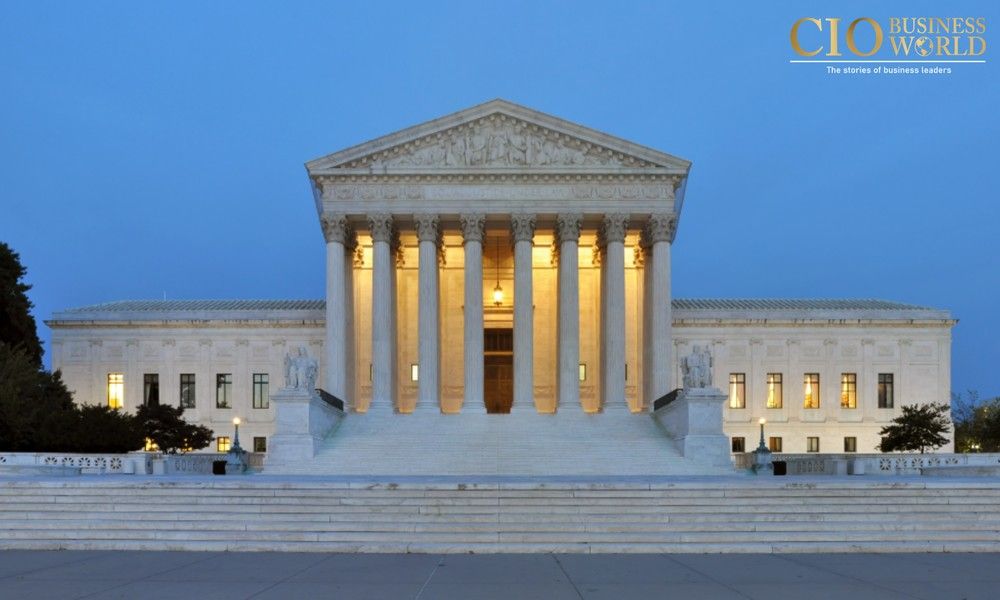
The U.S. Supreme Court is considering an important legal question that could affect immigration detainees and the lawyers who represent them. The case asks whether people who successfully challenge unlawful immigration detention can recover their attorney fees from the federal government. The dispute focuses on the Equal Access to Justice Act (EAJA), a federal law that can allow people who prevail against the government to receive reimbursement for certain legal costs.
Why Legal Fees Matter for Immigration Detainees
For people held in Immigration and Customs Enforcement (ICE) detention centers, access to legal counsel can be critical. Immigration cases can involve detention challenges, bond hearings, asylum claims, and deportation defense. Many detainees have limited financial resources, making private legal representation difficult to afford.
The Supreme Court case involves Kevin Montoya Palacios, a Salvadoran immigrant who challenged his detention after receiving protection under the Convention Against Torture. A judge found his detention unlawful, and his lawyers later sought nearly $9,000 in attorney fees. The request was rejected by a federal court and later by the 4th U.S. Circuit Court of Appeals.
Supreme Court Case Could Affect Access to Legal Counsel
The central question is whether a habeas corpus case challenging immigration detention qualifies as a “civil action” under the EAJA. If the Supreme Court allows detainees to recover attorney fees in these cases, immigration lawyers may have greater financial support when taking cases for people who cannot easily pay.
Federal appeals courts are divided on the issue. The 2nd, 3rd, 9th and 10th Circuits have supported detainees’ ability to seek fees, while the 4th and 5th Circuits have taken the opposite position.
Immigration Court Proceedings and Deportation Defense
The debate comes as immigration court proceedings face growing pressure. People facing removal may need legal help to understand their rights, prepare applications and build a deportation defense.
Questions about how many people are currently in ICE detention centers, new proceedings filed in immigration court and access to representation have become increasingly important. Research from groups such as Vera Legal has also highlighted the connection between detention, representation and outcomes in immigration proceedings.
At the same time, immigration courts continue to handle large numbers of cases. The Executive Office for Immigration Review provides information on immigration courts, case information and finding legal representation.
What the Decision Could Mean
A ruling in favor of detainees could make it easier for attorneys to take difficult detention cases, particularly when clients have limited financial resources. It could also provide clearer guidance to lower courts about when legal fees can be recovered from the government.
The decision may therefore influence not only individual detainees but also the wider system of immigration law and deportation defense.
Supreme Court Case May Reshape Legal Access for Detainees
The Supreme Court’s review of legal fees for immigration detainees places access to legal counsel at the center of a wider debate over fairness and due process. The outcome could determine whether successful challenges to unlawful detention can lead to reimbursement of attorney fees and potentially influence how lawyers handle future immigration detention cases. For detainees navigating immigration court proceedings, the decision could have lasting consequences for their ability to obtain legal representation.
Read our latest interview with Sridhar Peddireddy