
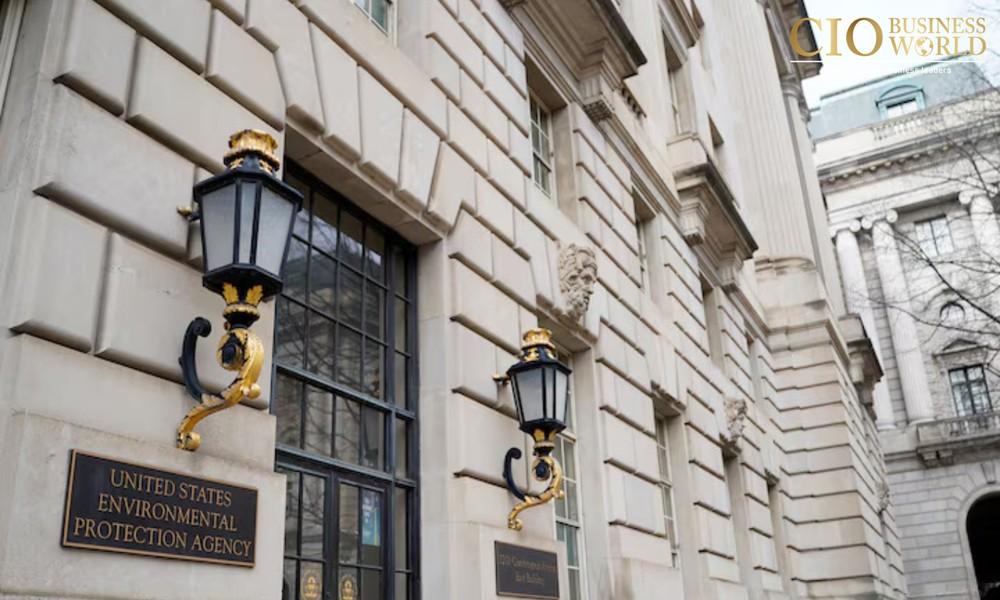
Several US states have sued the Environmental Protection Agency (EPA) after the agency announced changes to a climate regulation involving hydrofluorocarbons (HFCs), chemicals commonly used in refrigeration, air conditioning, and industrial cooling systems. The legal challenge argues that easing certain restrictions could weaken efforts to reduce greenhouse gas emissions and slow progress toward national climate goals.
The lawsuit, led by New York City and a coalition of states, highlights growing disagreements over environmental policy and the balance between industrial needs and climate protection. The case is expected to become an important legal battle that could influence future environmental regulations across the United States.
US States Sue EPA Over Hydrofluorocarbon Climate Rule
The US states sue EPA over hydrofluorocarbon climate rule case centers on the agency’s decision to revise regulations affecting hydrofluorocarbons. HFCs are powerful greenhouse gases that can trap significantly more heat than carbon dioxide, making them a major focus of global climate initiatives.
The states argue that relaxing the rule could increase emissions from industries that rely on these chemicals and reduce the environmental benefits achieved through previous regulations. They believe the revised policy conflicts with broader efforts to cut pollution and combat climate change.
Officials involved in the lawsuit say maintaining strong standards is essential for protecting public health, improving air quality, and supporting long-term environmental sustainability.
Why Hydrofluorocarbons Matter
Hydrofluorocarbons are widely used in:
- Refrigerators and freezers
- Air conditioning systems
- Commercial cooling equipment
- Industrial refrigeration
- Heat pumps
Although HFCs do not damage the ozone layer like older refrigerants, they have a much higher global warming potential than carbon dioxide. Because of this, many countries have introduced policies to gradually reduce their production and use.
Environmental experts believe replacing HFCs with lower-emission alternatives is an important step toward meeting climate commitments and reducing the impact of rising global temperatures.
States Raise Climate and Public Health Concerns
The coalition behind the lawsuit argues that weakening HFC regulations could affect ongoing efforts to reduce emissions from multiple sectors.
According to the filing, stronger environmental protections help the following:
- Reduce greenhouse gas emission
- Support cleaner industrial operations
- Encourage investment in sustainable technologies
- Protect communities from long-term climate risks
State officials also emphasized that businesses have already invested heavily in transitioning to environmentally friendly cooling technologies. They argue that regulatory uncertainty could create challenges for companies that have already adapted to stricter standards.
EPA’s Position on the Rule
The EPA has defended its regulatory changes by stating that the revisions are intended to improve implementation, provide greater regulatory clarity, and address concerns raised by industry stakeholders.
The agency maintains that environmental protection remains a priority while ensuring regulations remain practical and legally consistent.
The dispute is now expected to move through the federal court system, where judges will determine whether the agency acted within its legal authority when modifying the rule.
Broader Debate Over EPA Climate Policies
The lawsuit comes during a period of continued legal and political debate surrounding federal environmental regulations.
Discussions involving EPA climate change Supreme Court decisions have highlighted ongoing questions about how much authority federal agencies have when implementing nationwide climate policies. Several previous court rulings have shaped how environmental regulations can be developed and enforced.
The latest lawsuit reflects the continuing tension between state governments seeking stronger environmental protections and federal agencies attempting to balance regulatory flexibility with economic considerations.
EPA Standards and Environmental Regulations
Beyond climate policies, the EPA continues to oversee numerous environmental programs covering air, water, industrial emissions, and chemical safety.
Businesses regularly follow guidance related to:
- US EPA standards for water quality
- US EPA emission factors 2023
- US EPA emission factor calculations used in environmental reporting
- Industrial pollution control requirements
- Chemical manufacturing regulations
In recent years, the agency has also introduced initiatives such as the US EPA sets final rule on cutting chemical plant pollution, aimed at reducing emissions from industrial facilities while improving public health protections.
Environmental professionals also frequently reference publications such as USEPA 2023 reports and official US EPA PDF guidance documents for compliance, emissions reporting, and environmental management.
What Happens Next?
The federal court will now review the legal arguments presented by both sides before deciding whether the EPA’s revised hydrofluorocarbon rule should remain in effect.
The outcome could have significant implications for manufacturers, cooling equipment companies, environmental organizations, and state governments. It may also influence how future climate regulations are developed and implemented across the United States.
As governments worldwide continue working to reduce greenhouse gas emissions, decisions involving hydrofluorocarbons remain an important part of broader climate strategies. The case demonstrates how environmental policy, legal authority, and economic interests continue to intersect as the United States works toward its long-term sustainability goals
Read our Latest Interview With James Tennant